




10 Fleurieu beaches to visit after a southerly blow
Where the kelp and the wrack wash up and the best shell hauls of the year appear
The day after the wind drops
Southerly busters on the Fleurieu are a mixed gift. They shut down the south coast for a day or two - sand stinging your face, kelp piled up to the dunes, spray carrying a kilometre inland. But the 24 to 48 hours after the wind drops is the best beachcombing window of the year. Fresh wrack, storm-tossed shells you never see on a calm day, kelp banks full of stranded weed and the occasional cuttlebone the size of a dinner plate. Seabirds follow the kelp piles - look for pacific gulls and white-bellied sea eagles working the tideline.
Not every beach is worth visiting the morning after. Some clean up overnight because the waves are strong enough to drag the kelp back out - you will find nothing. Others trap the wrack for days and become genuine treasure grounds. This list is the ten the Fleurieu beachcombers actually go to when they see the forecast.
How to read the tides
Go on a falling tide, ideally two hours after high water, and walk the wrack line (the dark line of seaweed running parallel to the water). Bring a bucket, not a bag - wet shells are heavier than you think. Gloves if you are turning over kelp. Leave live cuttlefish and living shells where they are. Take a photo of anything large and unusual and send it to the SA Museum's stranding team if it looks significant.
Ranked by what you are most likely to find the day after a proper blow.
-
 Victor Harbor
Waitpinga Beach
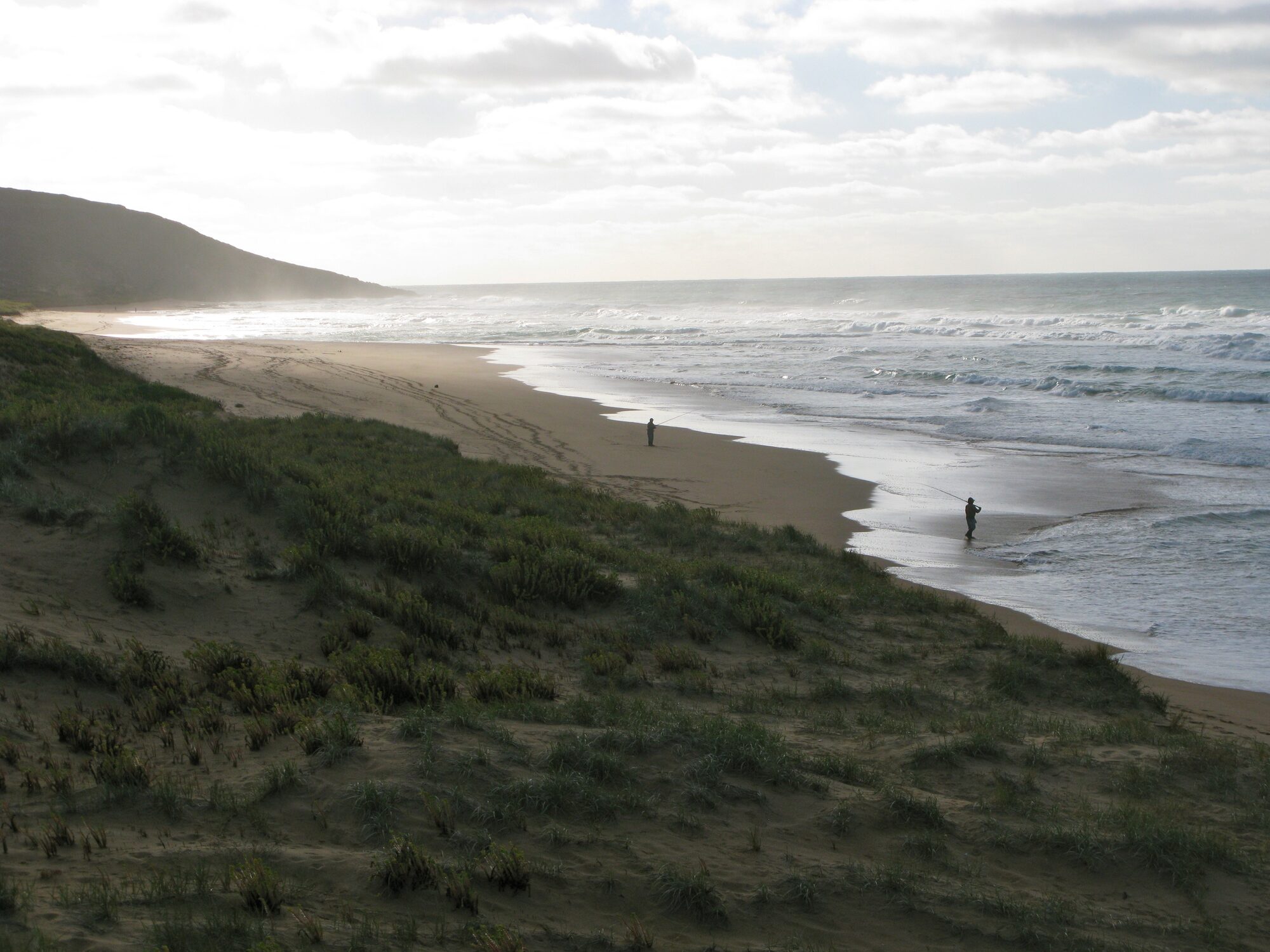
The classic south-coast kelp trap. Long, exposed and open to the full Southern Ocean - the wrack piles up three deep along the high tide mark after a blow. Huge razor-clam shells and the occasional paper nautilus if you are lucky.
-
Parsons Beach
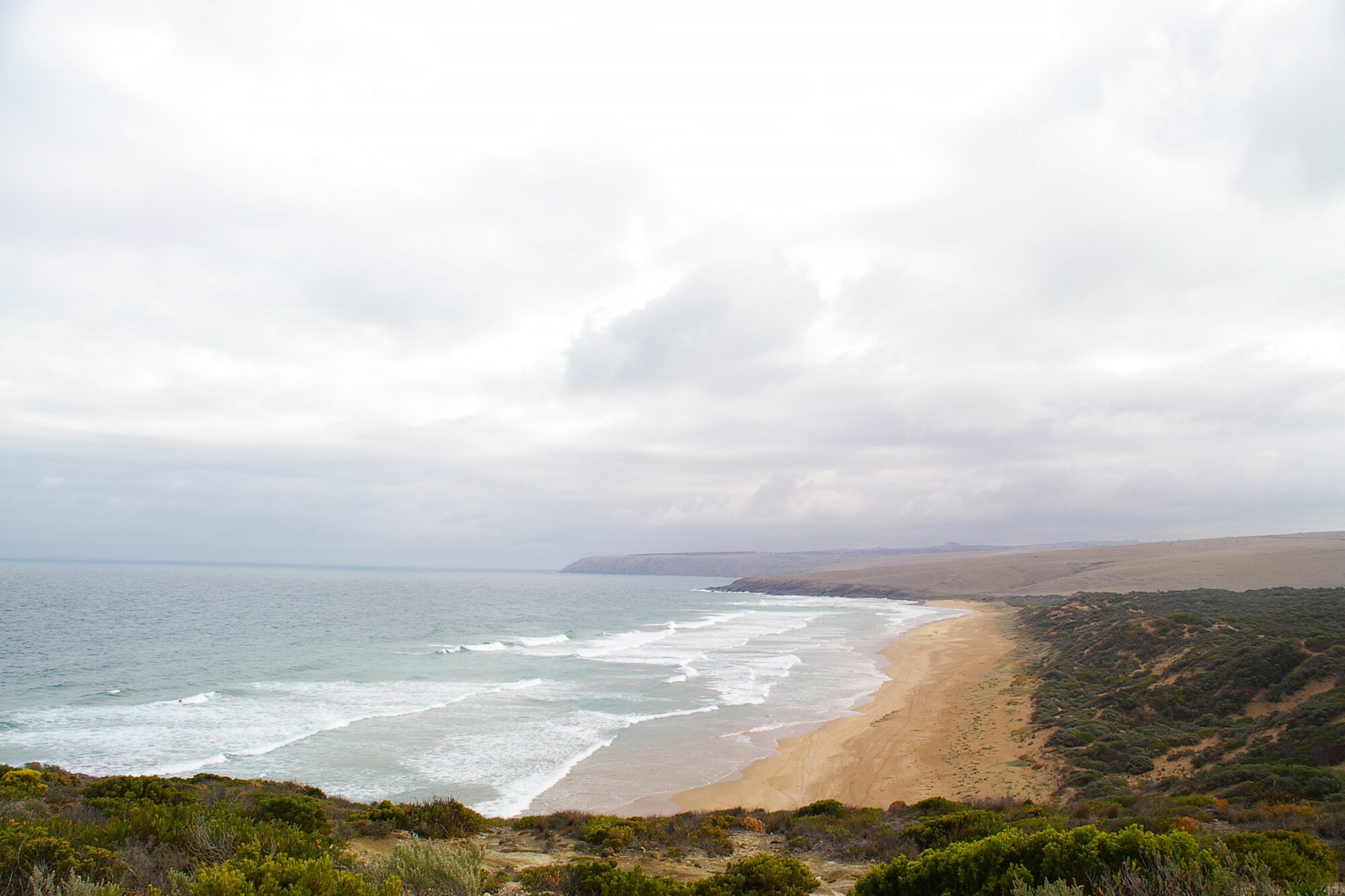
Parsons holds wrack for days because the headland at the western end slows the water coming back out. Walk the whole 2km beach and turn over the kelp banks - this is the best cuttlebone beach on the Fleurieu.
-
 Goolwa
Goolwa Beach
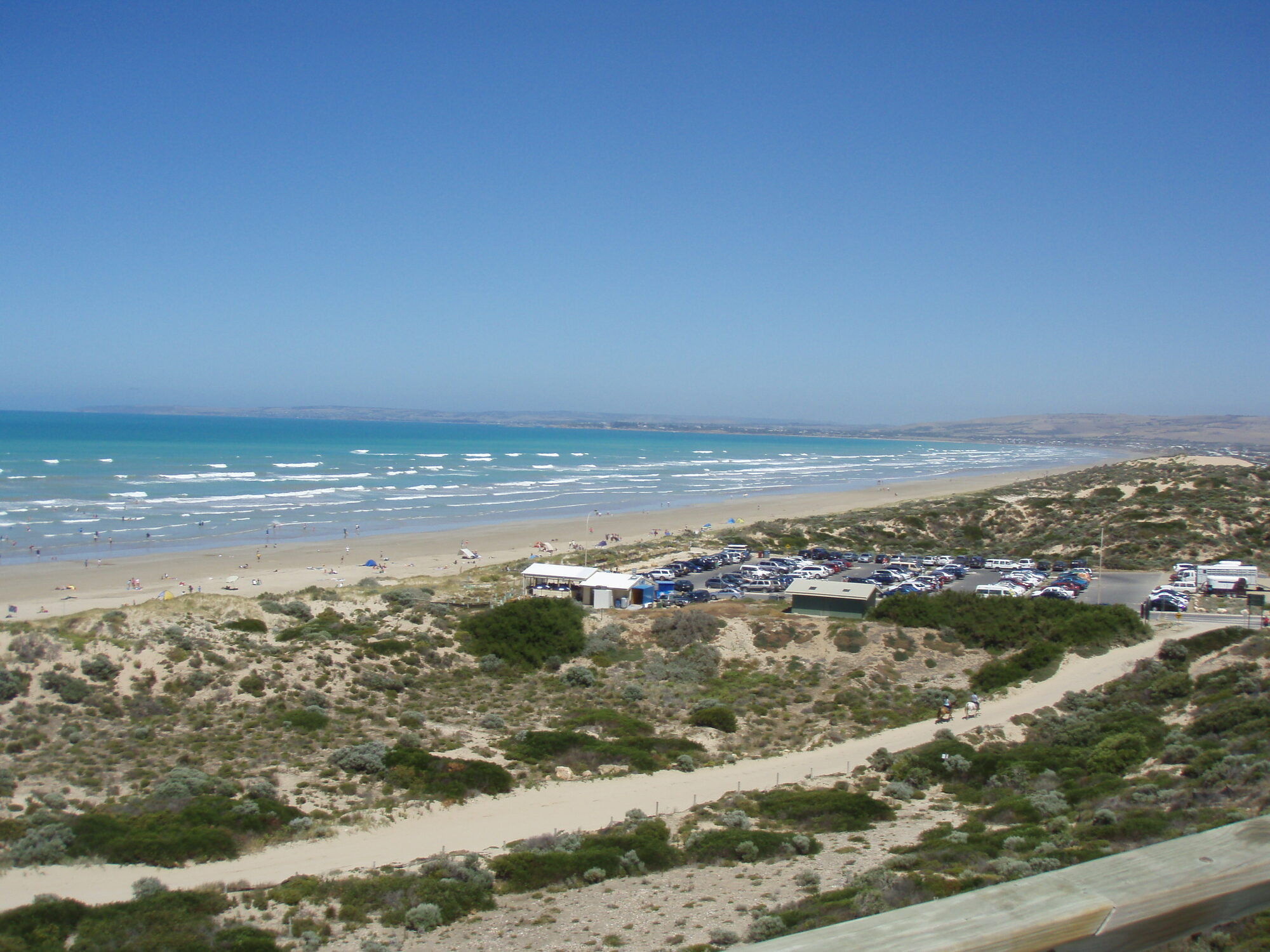
Eighteen kilometres of open ocean coast and so much wrack after a blow you can walk on it. Drive onto the sand at the SLSC access and head east - the further you go, the less it has been picked over.
-
4
Victor Harbor
Petrel Cove
A small, funnel-shaped cove west of The Bluff that traps everything the Southern Ocean throws at it. Short walk from the carpark, sheltered enough to work comfortably in the wind tail, and reliably full of southern helmet shells after a blow.
-
5
Cape Jervis
Tunkalilla Beach
The remote 7km Tunkalilla strand east of Deep Creek. You need 4WD or a long walk in, but the trade-off is a beach no-one else will be working the day after a southerly. The wrack line is often hip-deep.
-
 6
Port Elliot
6
Port ElliotMiddleton Beach
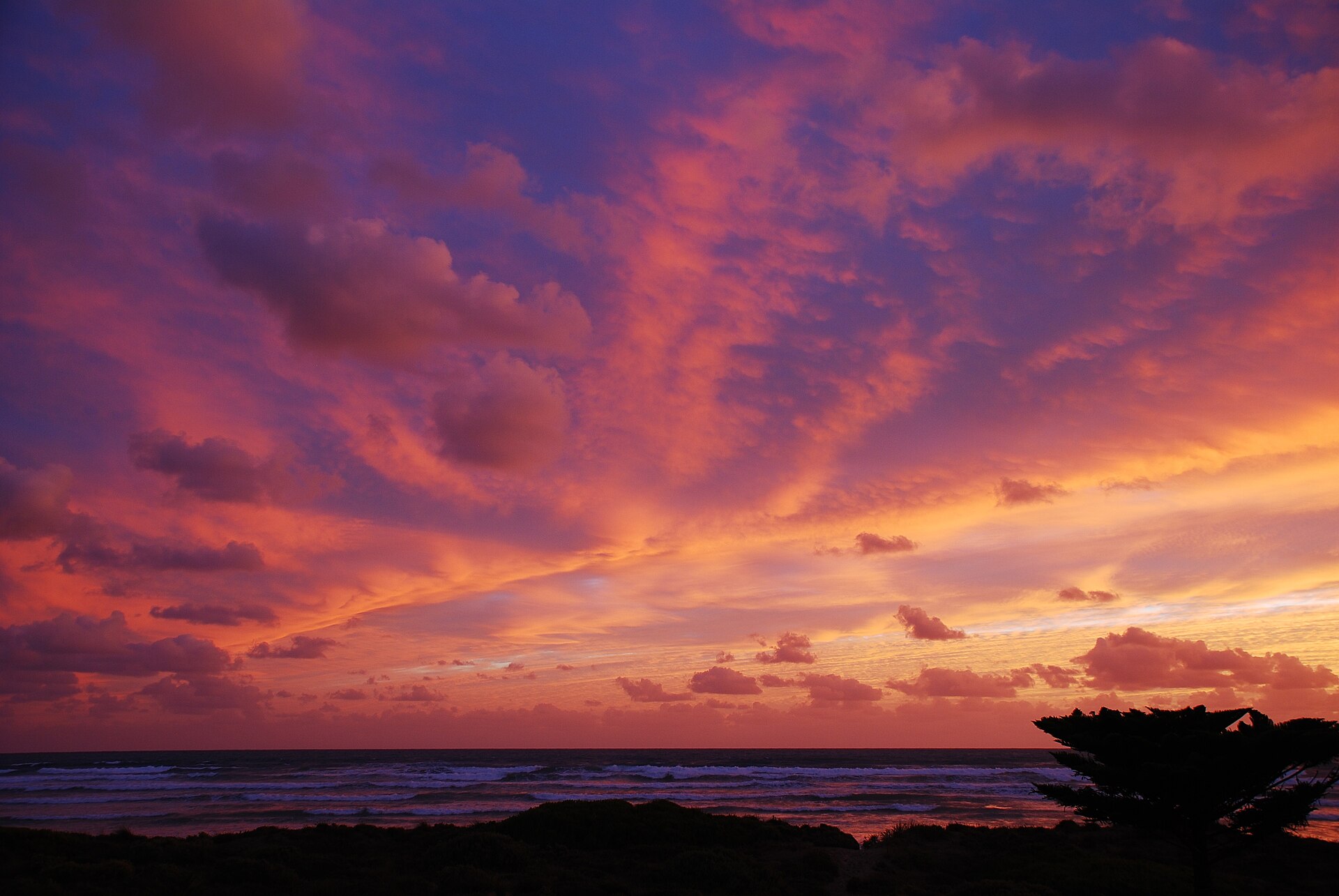
The Middleton car-park end of the Goolwa strand is easy to get to, easy to walk and cleans up within a couple of days. Good for kids - the shells are smaller but more varied and the dune backdrop keeps the worst of the wind off.
-
7
Port Elliot
Possibly 'Bashams Beach' rather than 'Basham Beach'
A quiet, car-park-to-sand beach between Middleton and Port Elliot that does not get the foot traffic of Horseshoe or Boomer. Good for dolphin cowries and the occasional violet snail after a serious blow.
-
8
Port Elliot
Boomer Beach
A long, steep, wave-dumped strand at the eastern end of Port Elliot. Not beginner-friendly - the drop-off is sharp - but the shells that wash up on Boomer are some of the biggest on the coast. Walk the top of the berm, not the water's edge.
-
9
Port Elliot
Chiton Rocks
A rocky cove in Port Elliot named for its famous chiton population. The tidepools after a southerly are full of wrack-trapped critters and the wave-swept rocks can hold nudibranchs and small sea stars. Go two hours after high tide.
-
10
Port Elliot
Knights Beach
Small, tucked-in and overlooked. Knights is where the kelp from the Encounter Bay current lands in a southerly - walk the high tide line and you will find shells Horseshoe and Boomer never see.


More like this
 Story
Story
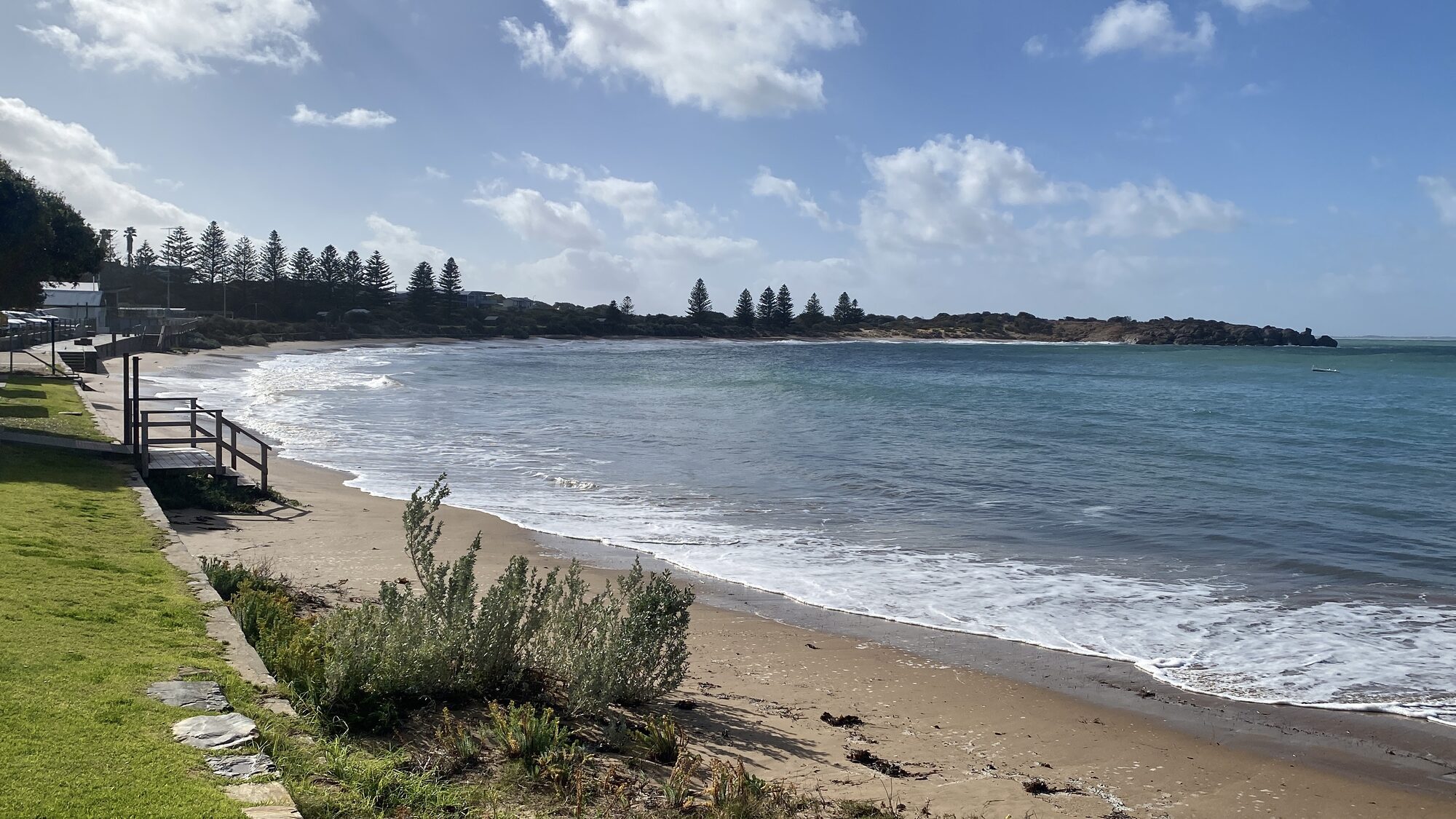
The Port Elliot walking trails: a coastal loop through the town
The Harbourmasters Trail is the short answer to 'what should we do for an hour in Port Elliot?' It is a sealed 1.9-kilometre loop that starts in the main street, hugs the granite cliffs, and takes in a half-dozen bays, a restored 1830s whaling lookout and one of the top bodyboarding breaks in Australia - and you can keep walking east from there all the way to the Murray Mouth.
 Story
Story
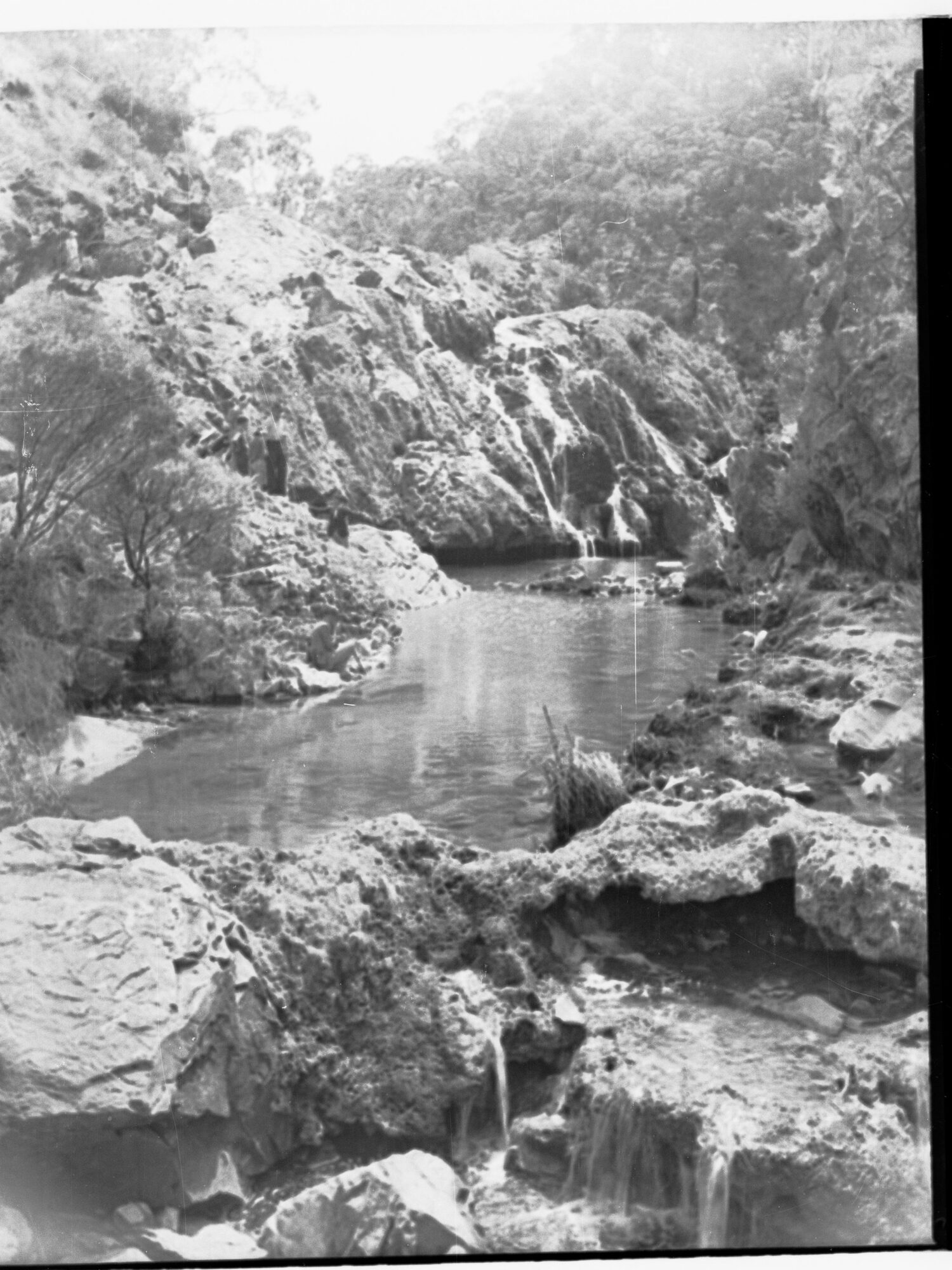
The Fleurieu in July: almond blossom, whales and winter fires
Mid-winter is the Fleurieu Peninsula's quietest month and also, quietly, its best. Almond blossom at Willunga, southern right whales in Encounter Bay, cellar-door fires lit from lunchtime, waterfalls at full flow and almost nobody on the roads. Here is the July case.
 Story
Story
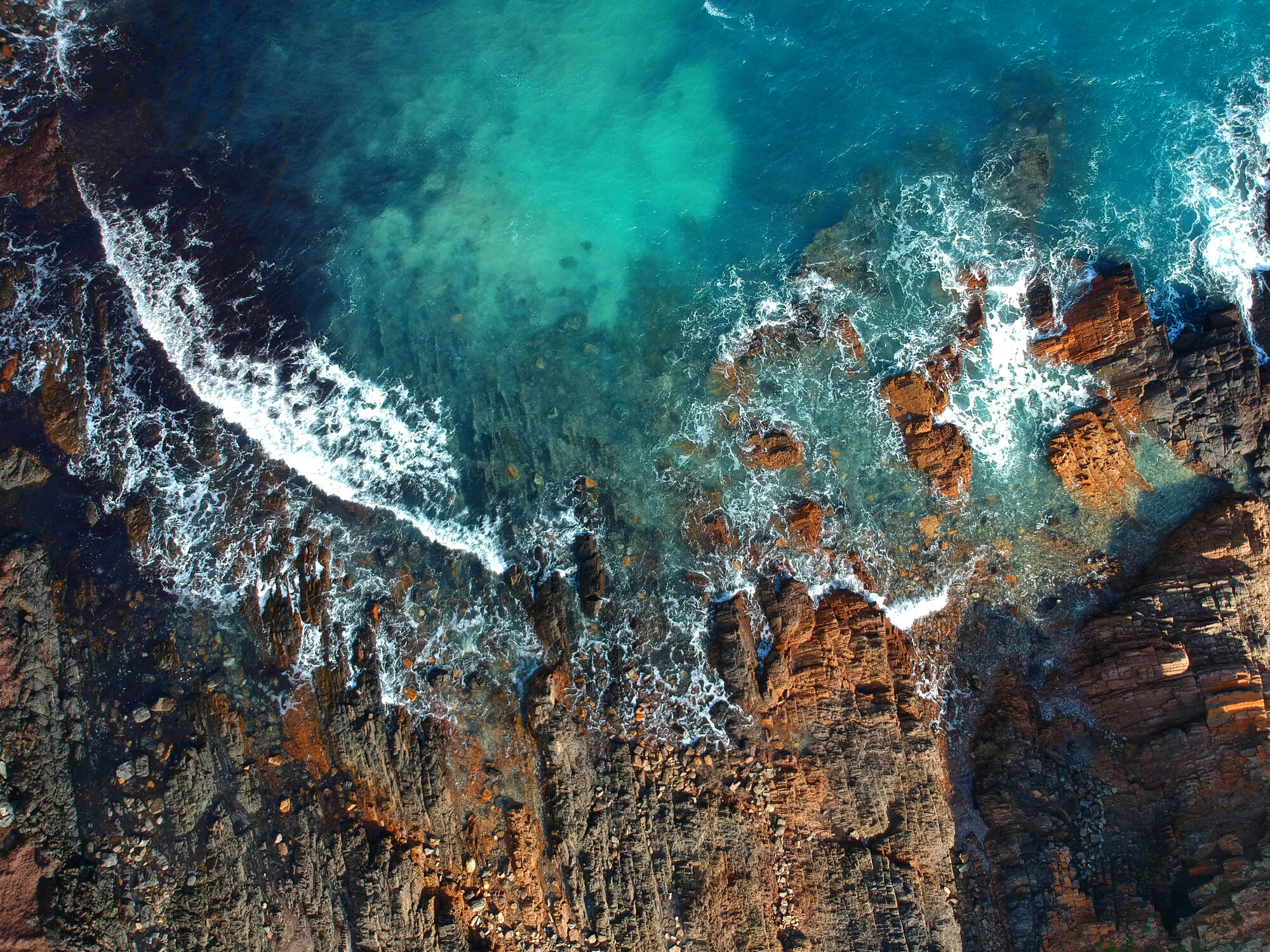
The lost jetties of the Fleurieu
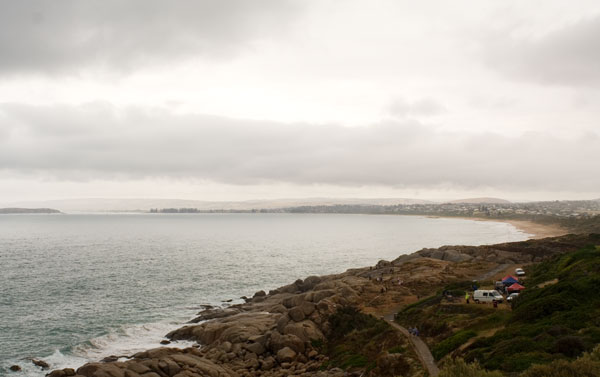
Port Willunga, Second Valley, Yankalilla, Rapid Bay, Normanville - the Fleurieu coastline is dotted with the stumps, pylons and ruined decks of jetties that once loaded slate, grain, wine and passengers for Port Adelaide. Some are still half-standing. Some you can swim or dive through. Here is a photo-trail of what survives.
 Story
Story
When the whales return: the opening of the Fleurieu whale season
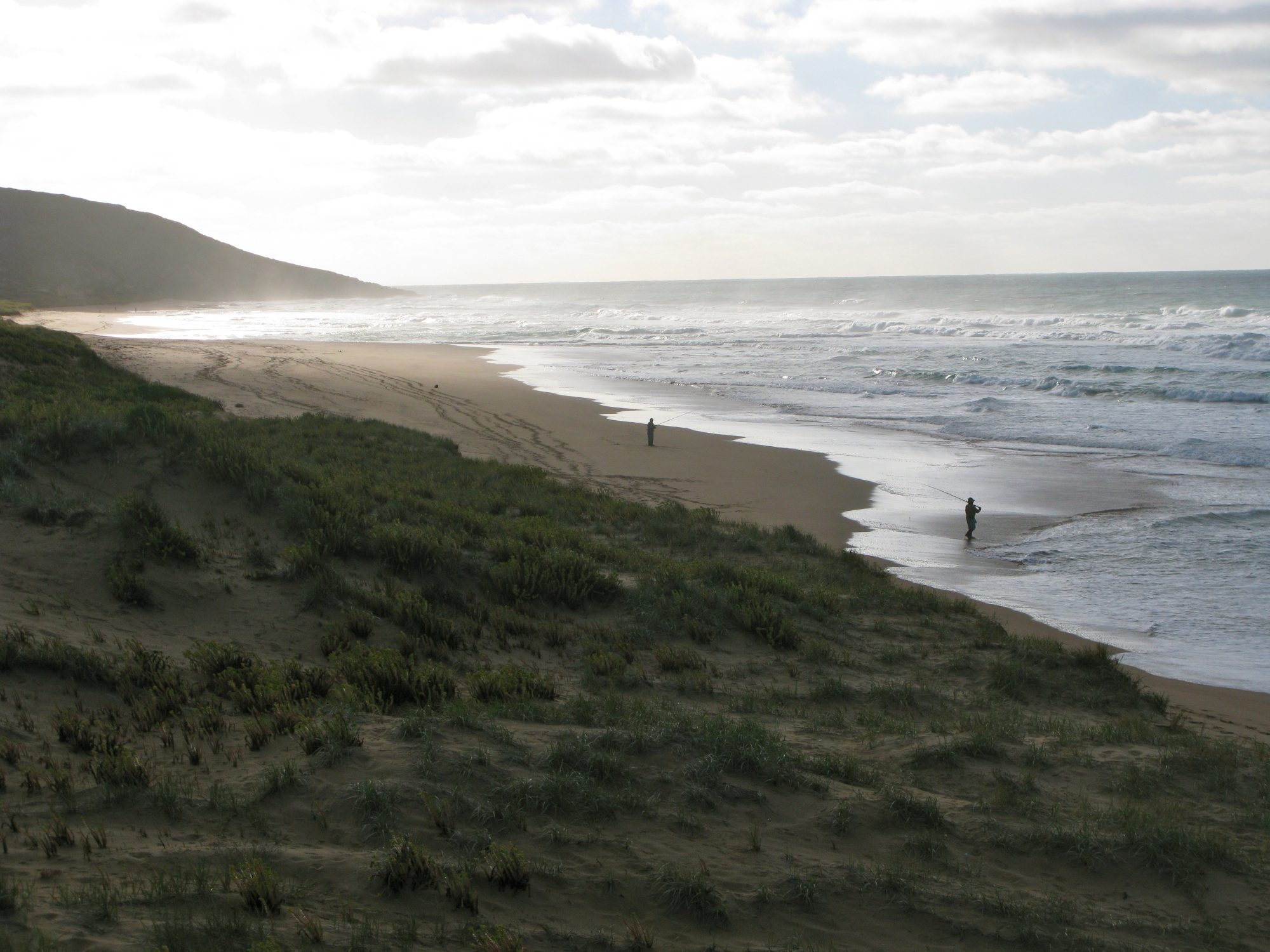
Every year in late May and early June, the first southern right whales of the season return to Encounter Bay to calve. It is a quiet, tentative arrival after months of absence, and it marks the moment the Fleurieu wildlife calendar turns over. Here is the history of the whales, how they came back, and how to see the first arrivals.
 Guide
Guide
Surfing the Fleurieu: which break on which wind
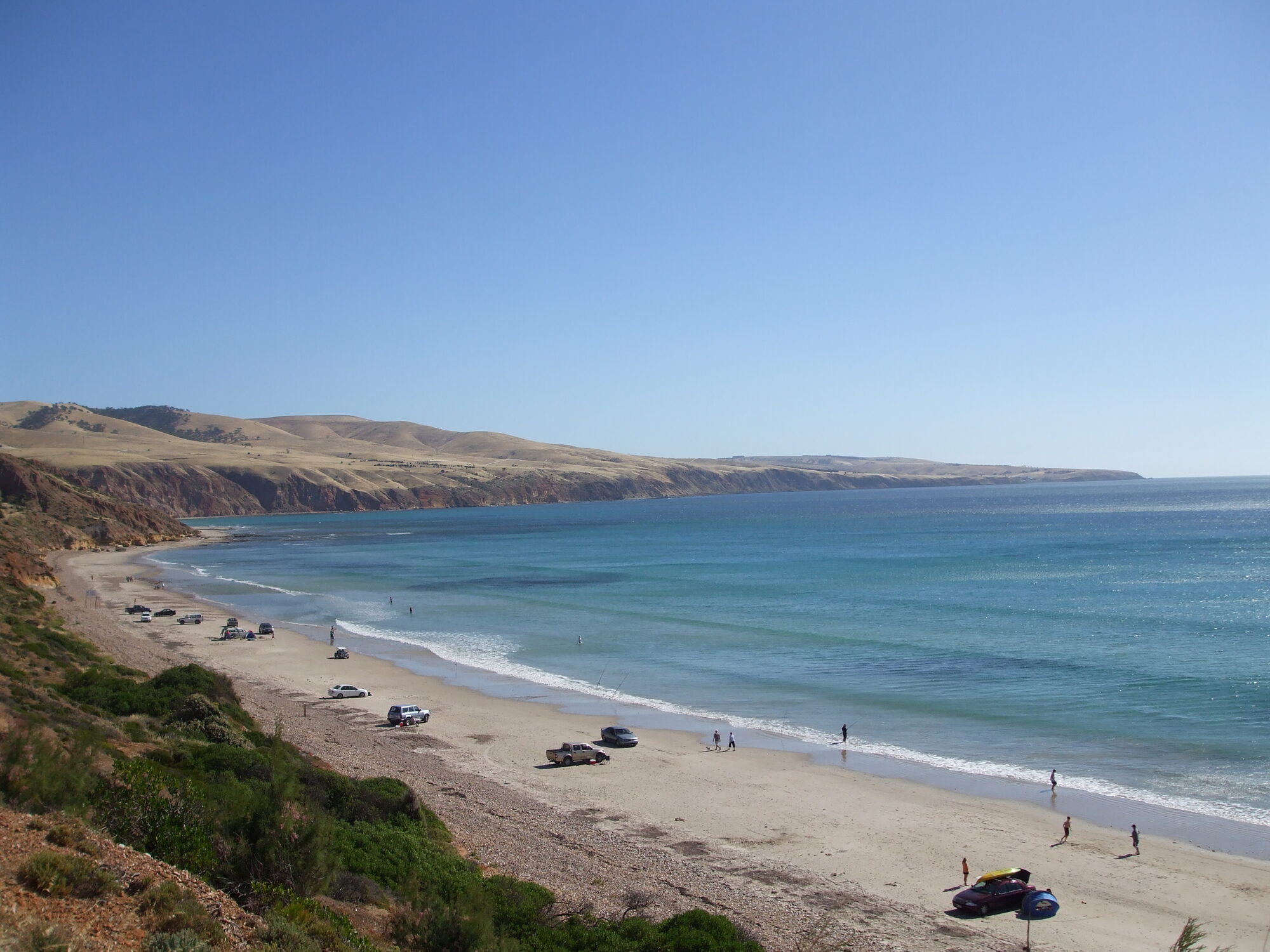
Five Fleurieu beach breaks, five different wind and swell scripts. This is the decision guide for the day you wake up, check the forecast, and need to know whether to drive south at all - and where to point the car if you do.
 Top 10
Top 10 Fleurieu beaches
From the long, family-friendly sands of Sellicks to the hidden, hike-only cove at Blowhole, here are the ten Fleurieu beaches we love most.
Image credits
- Parsons Beach by Foraminifera , CC BY-SA 3.0 via Wikimedia Commons