

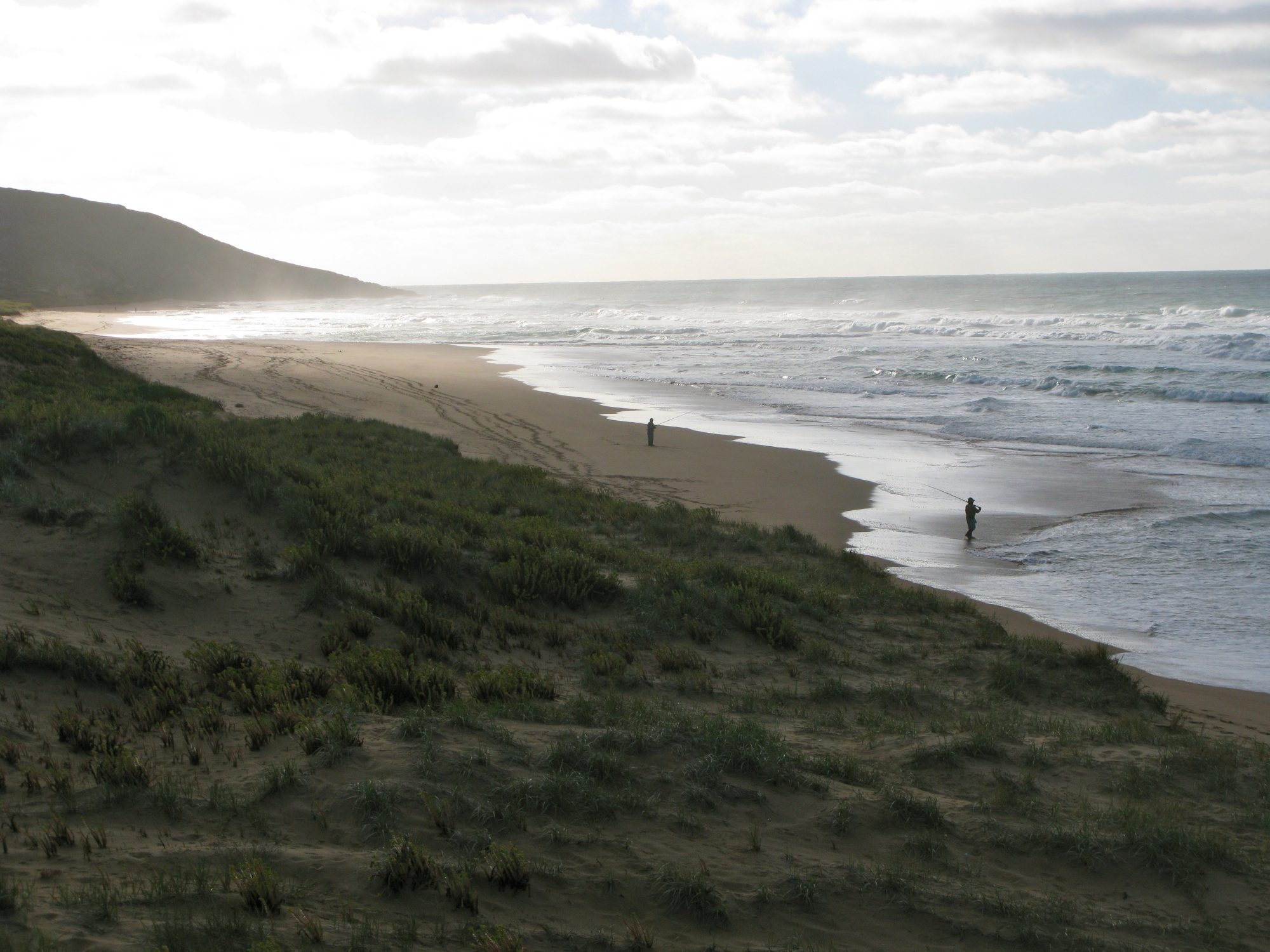
Surfing the Fleurieu: which break on which wind
A decision tree for improver surfers and Adelaide locals
How to use this guide
This is not a one-day itinerary. It is a reference for any day you wake up in Adelaide and try to figure out where on the Fleurieu the surf is going to be worth the drive. Each stop below is a real beach with real prevailing conditions. Cross-check with a swell chart and a wind forecast before you leave the house.
The basics
The Fleurieu is mostly south- and west-facing. Almost every beach picks up the Southern Ocean swell that drives the south coast all year, but each one wants something slightly different from the wind. Offshore here is generally a north or north-east breeze - that holds the wave faces clean. Onshore is anything from the south, which crumbles the lips and chops up the line-up.
Swell direction matters as much as size. A long-period south-west swell wraps cleanly into the bigger bays. A short-period south swell hits the open beaches hard and the protected ones not at all. Tide matters most at the reefs and the river mouths.
Safety
None of these are urban beaches. Cards on the table: there are sharks in the Southern Ocean, the rips here are real, and several of the breaks below are remote. Surf with a friend, tell someone where you are going, and check the SLSA patrol status if you are improving rather than experienced. If you are a true beginner, book a lesson at Middleton - do not freelance.
Wetsuit and gear
Most months you want a 3/2 minimum, a 4/3 in winter, hooded in July. Reef booties are useful at the rockier beaches. A spare leg rope lives in the boot of every Fleurieu surfer's car for a reason.
When you have got it wrong
If the wind is straight onshore everywhere on the south coast, drive west to Maslin or Aldinga - they are protected by the cliffs. If everything is blown out, the consolation prize is a long walk on Goolwa Beach with a coffee and a quiet head.
Day 1
5 stops-
1Middleton
Middleton Beach
Middleton is the learn-to-surf default and the best place on the Fleurieu to put a beginner in the water. It works on almost any swell, breaks softly on a sandbank, and Surf & Sun run lessons most days. Best on a north-east wind, mid to high tide. Avoid in big south-west swells when it closes out.
-
2Goolwa Beach
Goolwa Beach
Goolwa is a long open beach break that rewards surfers who can read sandbanks. Best on small-to-medium south-west swell with a north or no wind. The car park near the Murray Mouth is the take-off point. Watch the rips near the river mouth - they are serious.
-
3Waitpinga
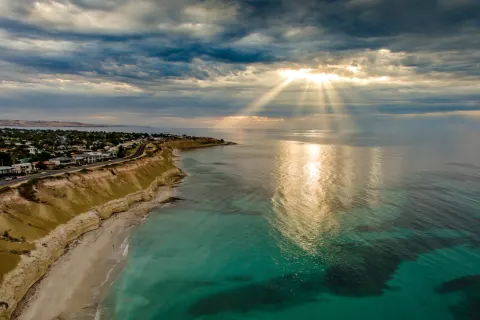
Waitpinga Beach
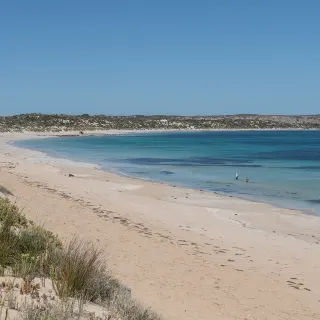
Waitpinga is for confident surfers only. A heavy beach break with strong rips and no patrol. Best on a clean south-west swell, north-east wind, mid tide. Insider tip: park at the southern end and walk - the bank is usually better there.
-
4Waitpinga
Parsons Beach
Parsons is the next bay over from Waitpinga and slightly more forgiving. Same swell window, same wind, slightly less heavy. Long walk down the dune track from the carpark - wear thongs you can leave in your towel.
-
5Port Willunga
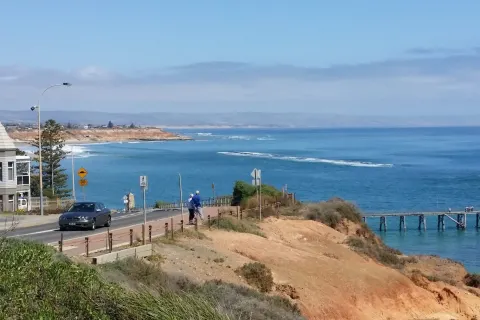
Port Willunga Beach
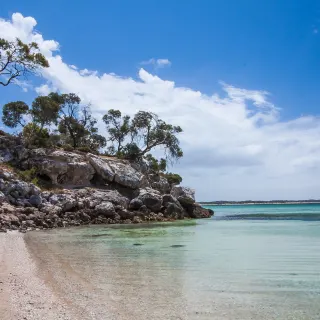
When everything else is blown out, Port Willunga is the protected fallback. The reef in front of the old jetty handles a small clean swell on a low to mid tide and a south-easterly wind. More of a mellow longboard wave than a ripper's break - and the post-surf coffee at the cliff top is the best on the coast.
On the map
More like this
 Story
Story
The lost jetties of the Fleurieu
Port Willunga, Second Valley, Yankalilla, Rapid Bay, Normanville - the Fleurieu coastline is dotted with the stumps, pylons and ruined decks of jetties that once loaded slate, grain, wine and passengers for Port Adelaide. Some are still half-standing. Some you can swim or dive through. Here is a photo-trail of what survives.
 Story
Story
The Fleurieu in July: almond blossom, whales and winter fires
Mid-winter is the Fleurieu Peninsula's quietest month and also, quietly, its best. Almond blossom at Willunga, southern right whales in Encounter Bay, cellar-door fires lit from lunchtime, waterfalls at full flow and almost nobody on the roads. Here is the July case.
 Top 10
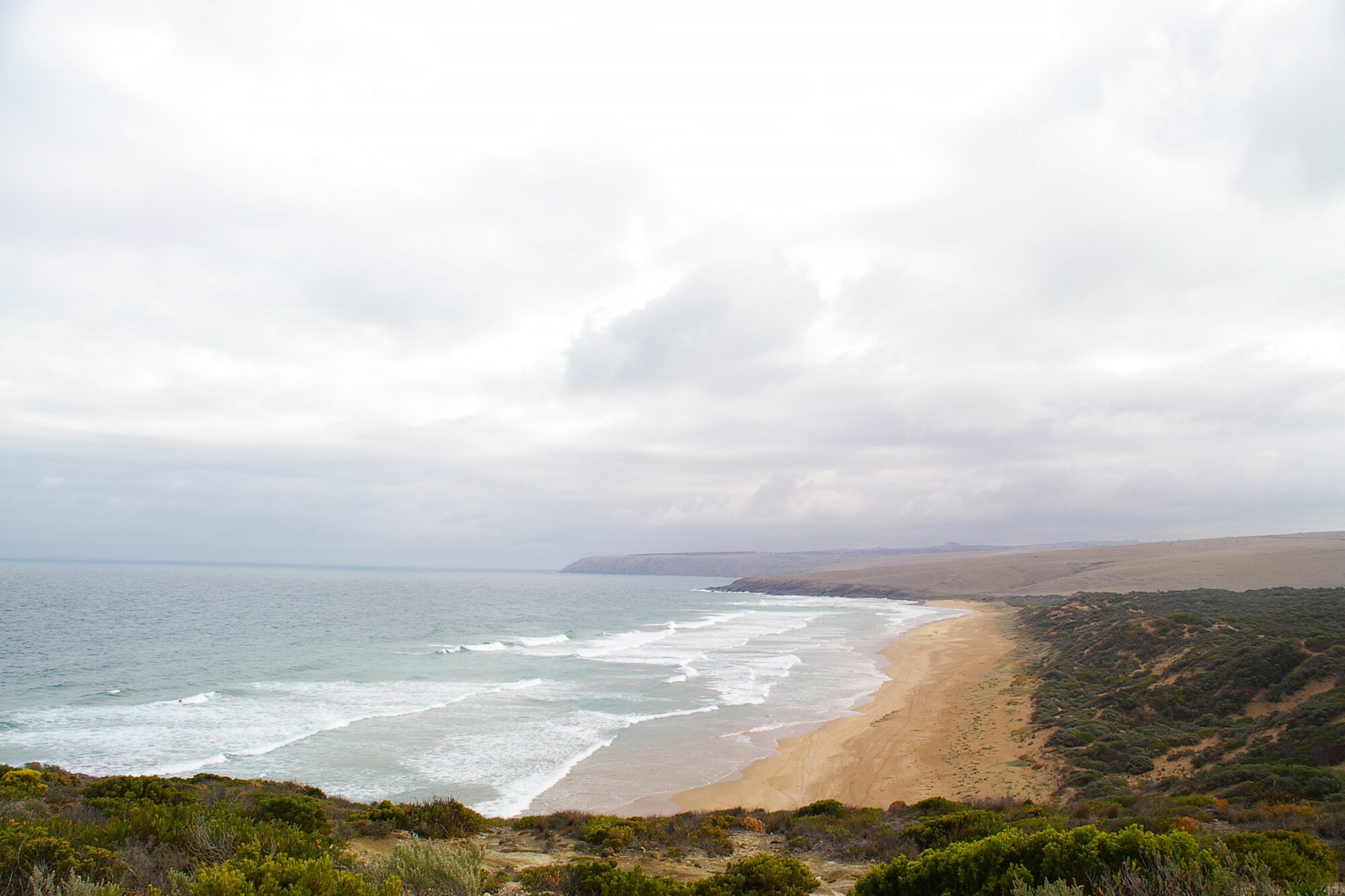
Top 10 Fleurieu beaches
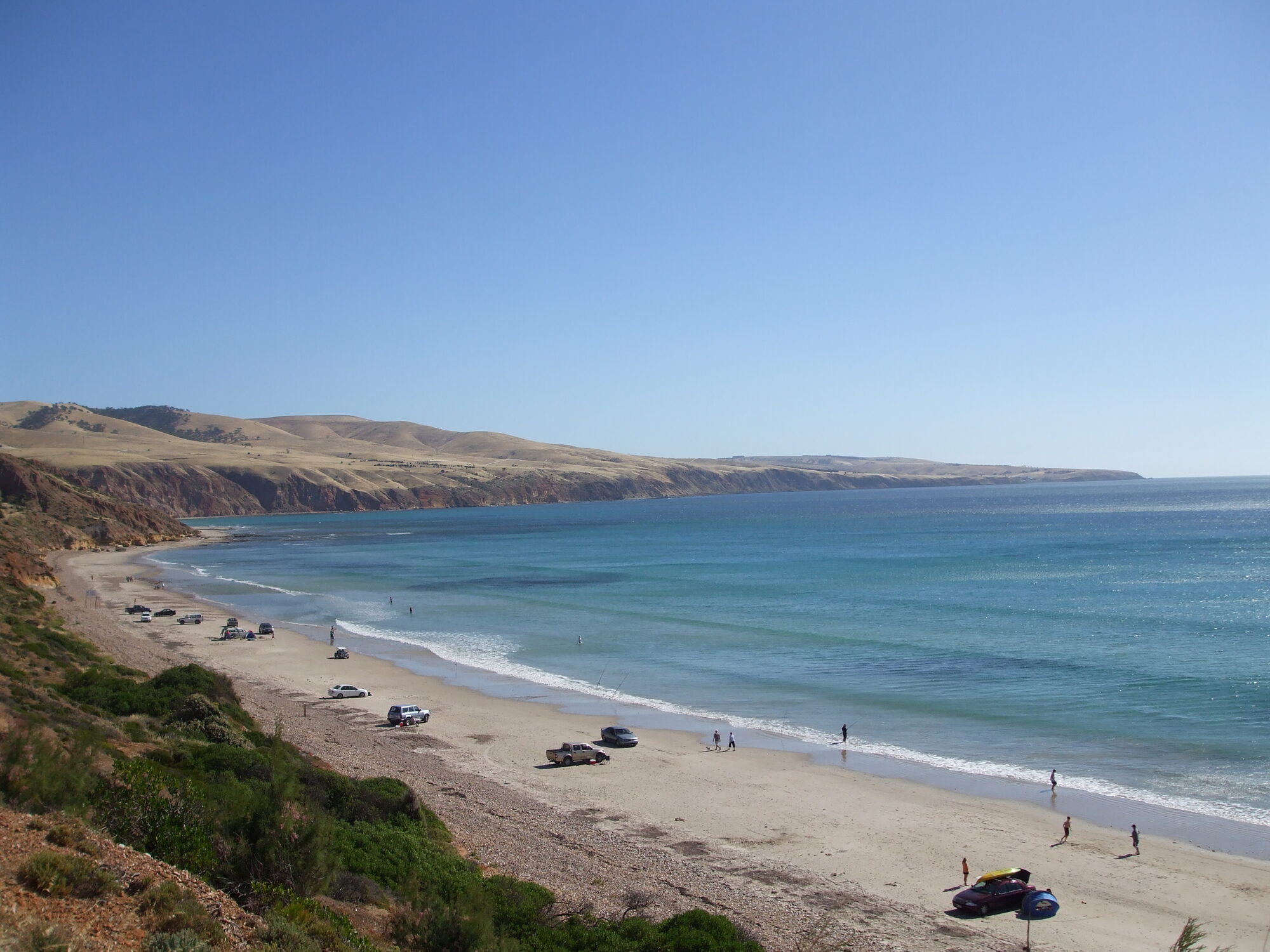
From the long, family-friendly sands of Sellicks to the hidden, hike-only cove at Blowhole, here are the ten Fleurieu beaches we love most.
 Top 10
10 Fleurieu beaches to visit after a southerly blow
A southerly buster dumps kelp, wrack and shells along the south coast overnight. These are the ten Fleurieu beaches where the beachcombing is best in the 48 hours after the wind drops.
 Story
Story
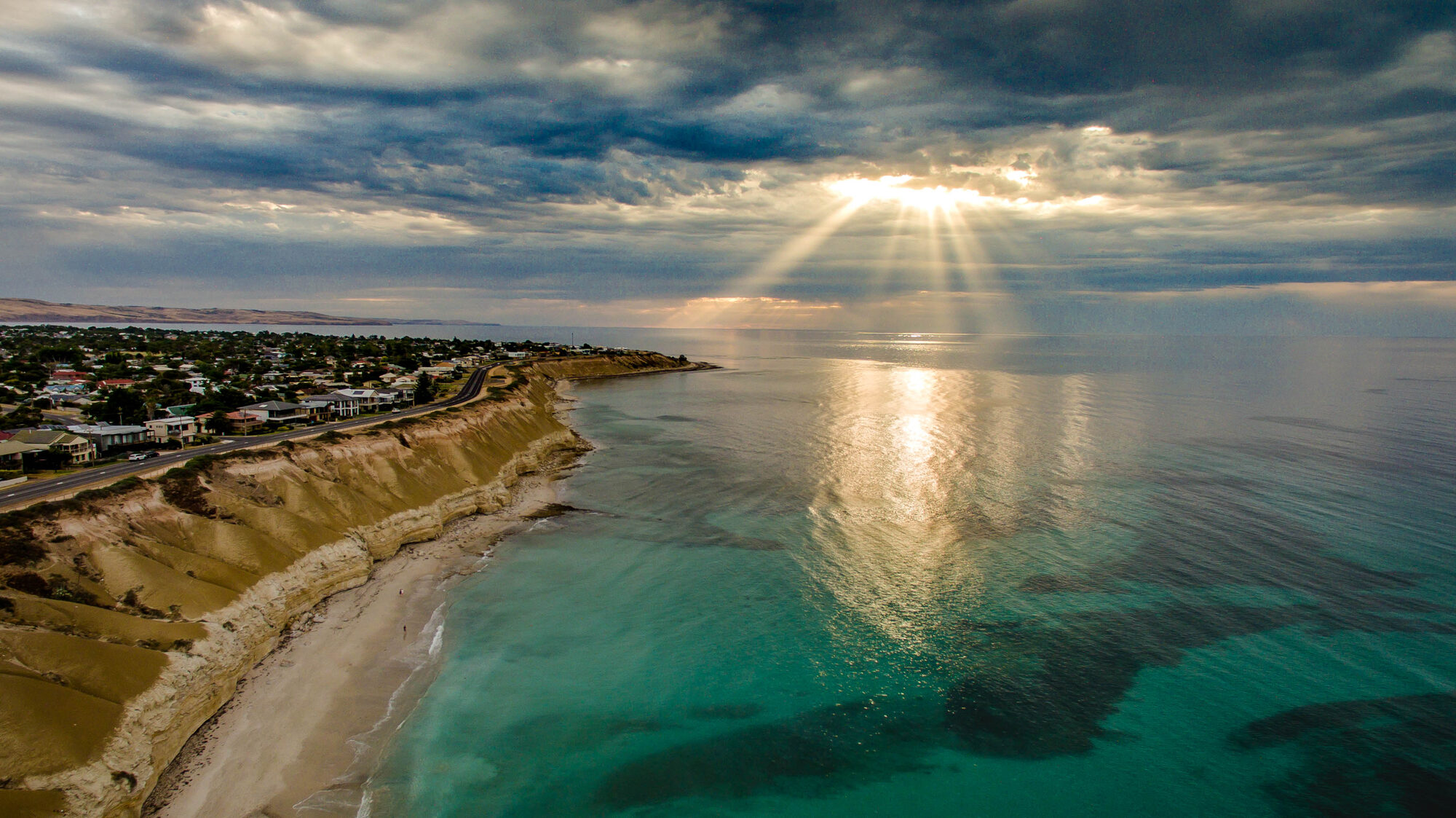
A weekend in McLaren Vale
A detailed two-day guide to the Fleurieu's wine country - from Friday afternoon at the d'Arenberg Cube through to Sunday lunch at a heritage inn, with enough grenache and sea air in between to make you want to move.
 Story
Story
The Star of Greece: a wreck on the Port Willunga reef
On the morning of 13 July 1888, the iron square-rigger Star of Greece broke up on the reef at Port Willunga. Seventeen men died within sight of the shore while rescuers stood helpless on the cliffs. The wreck site is still there.
Image credits
- Waitpinga Beach, early evening, looking east, January 2012 , CC BY-SA 3.0 via Wikimedia Commons