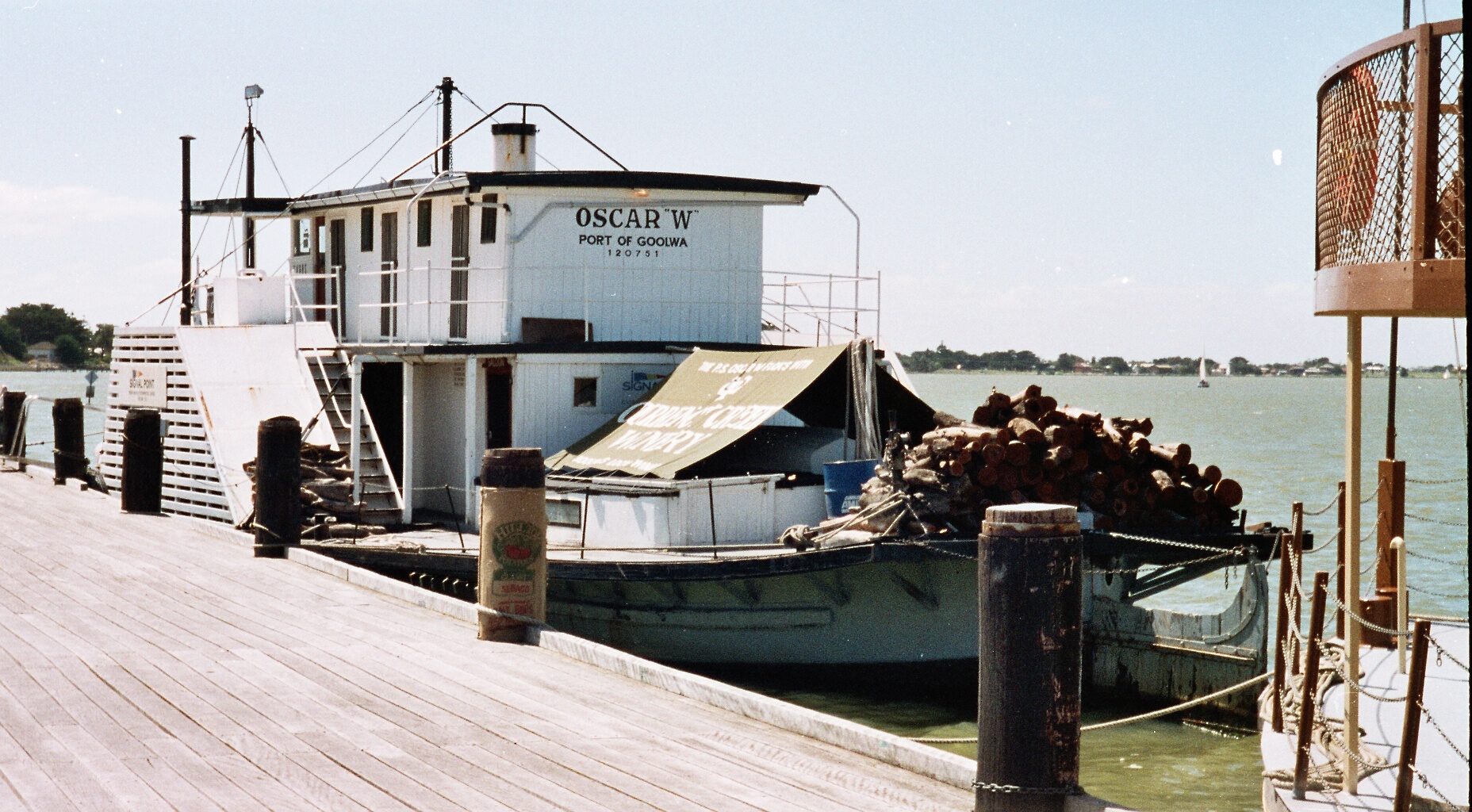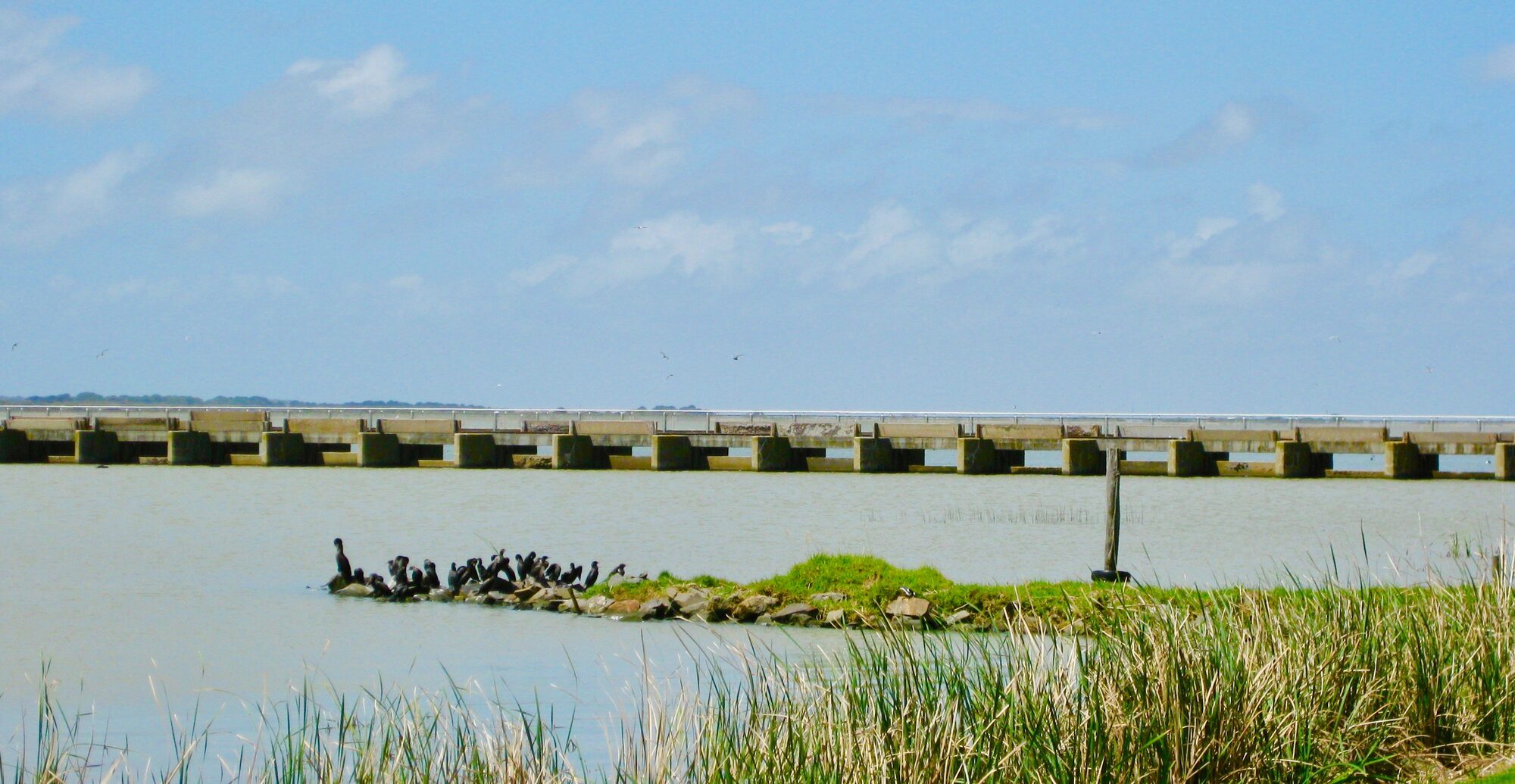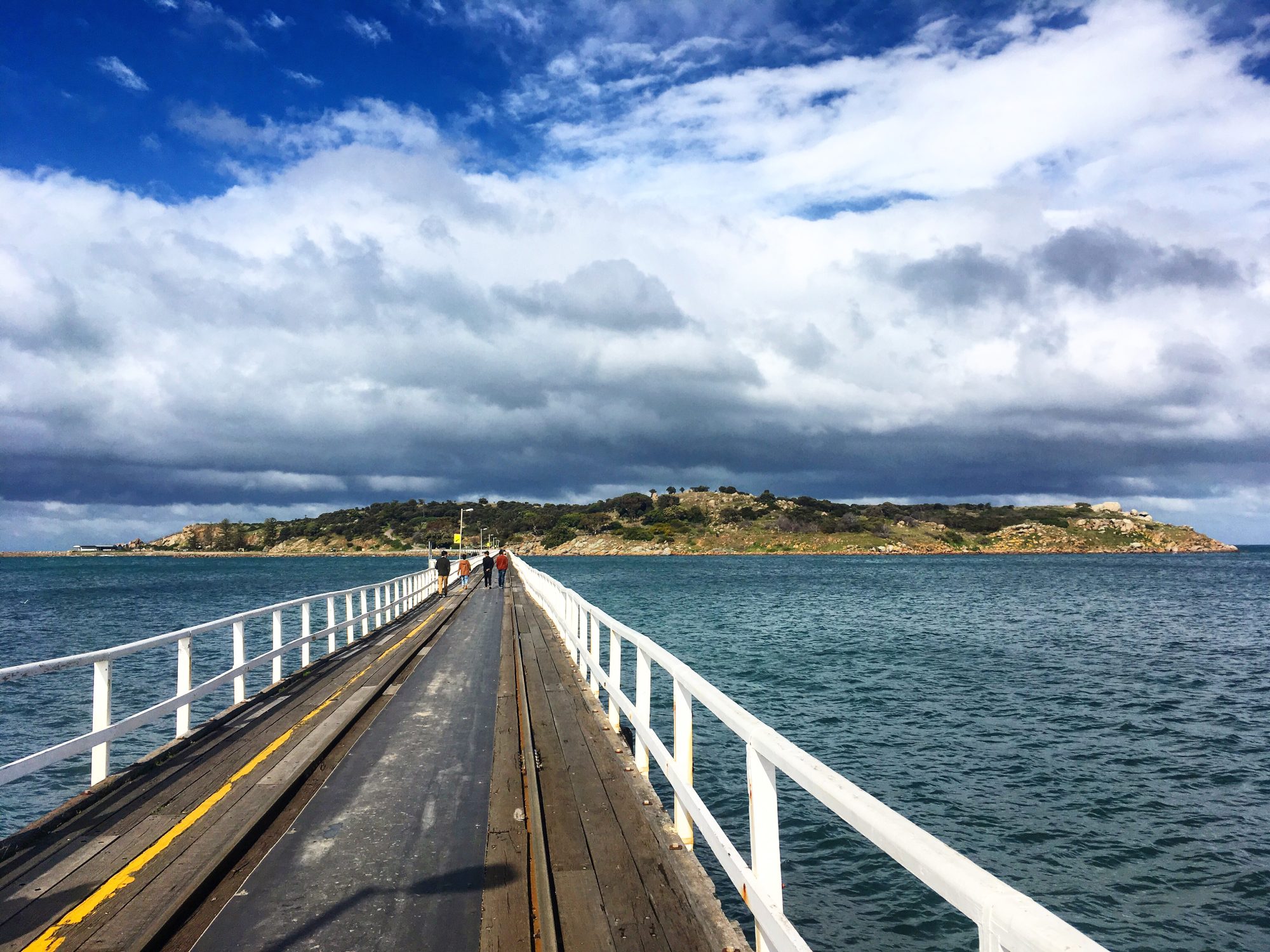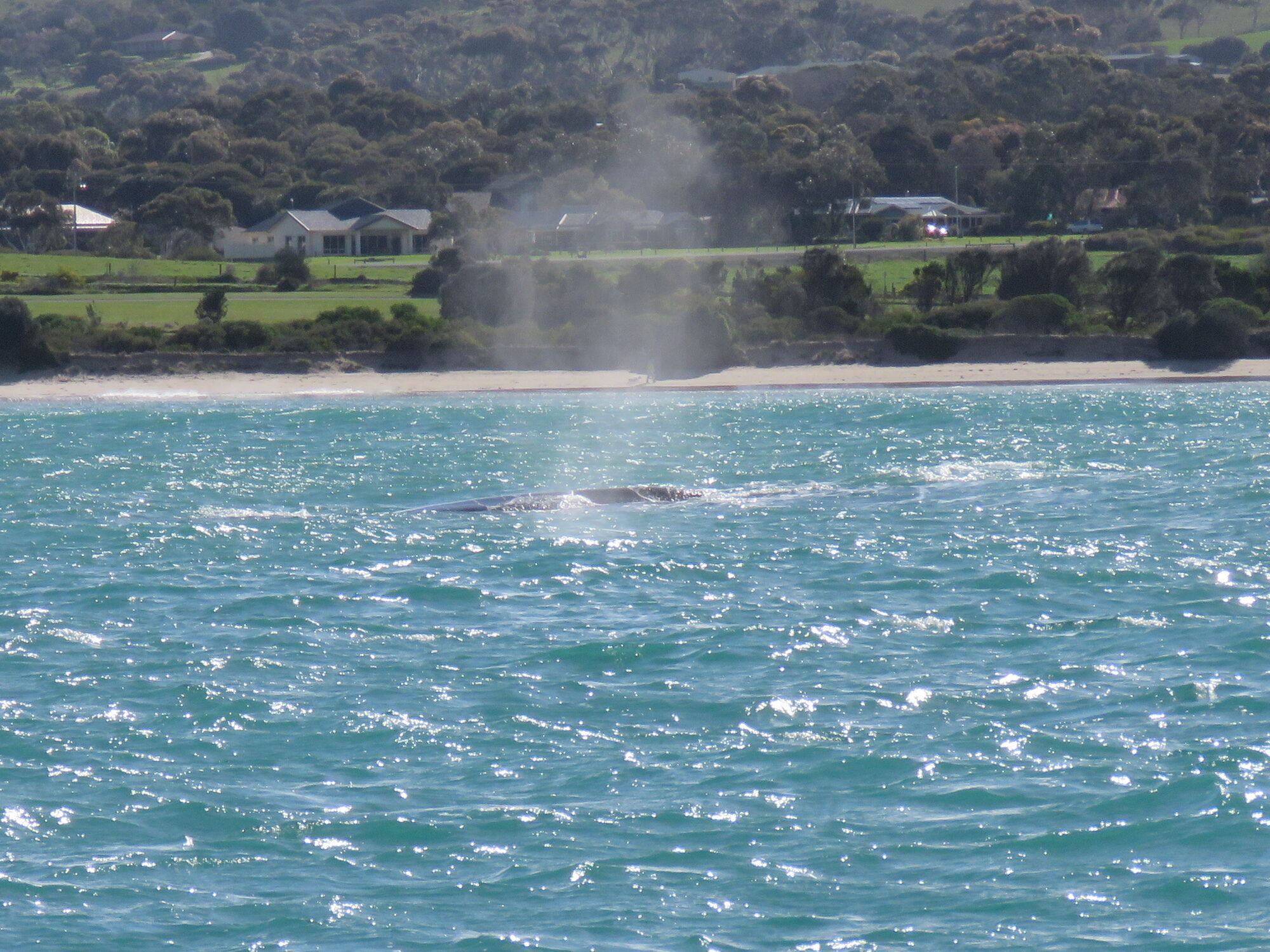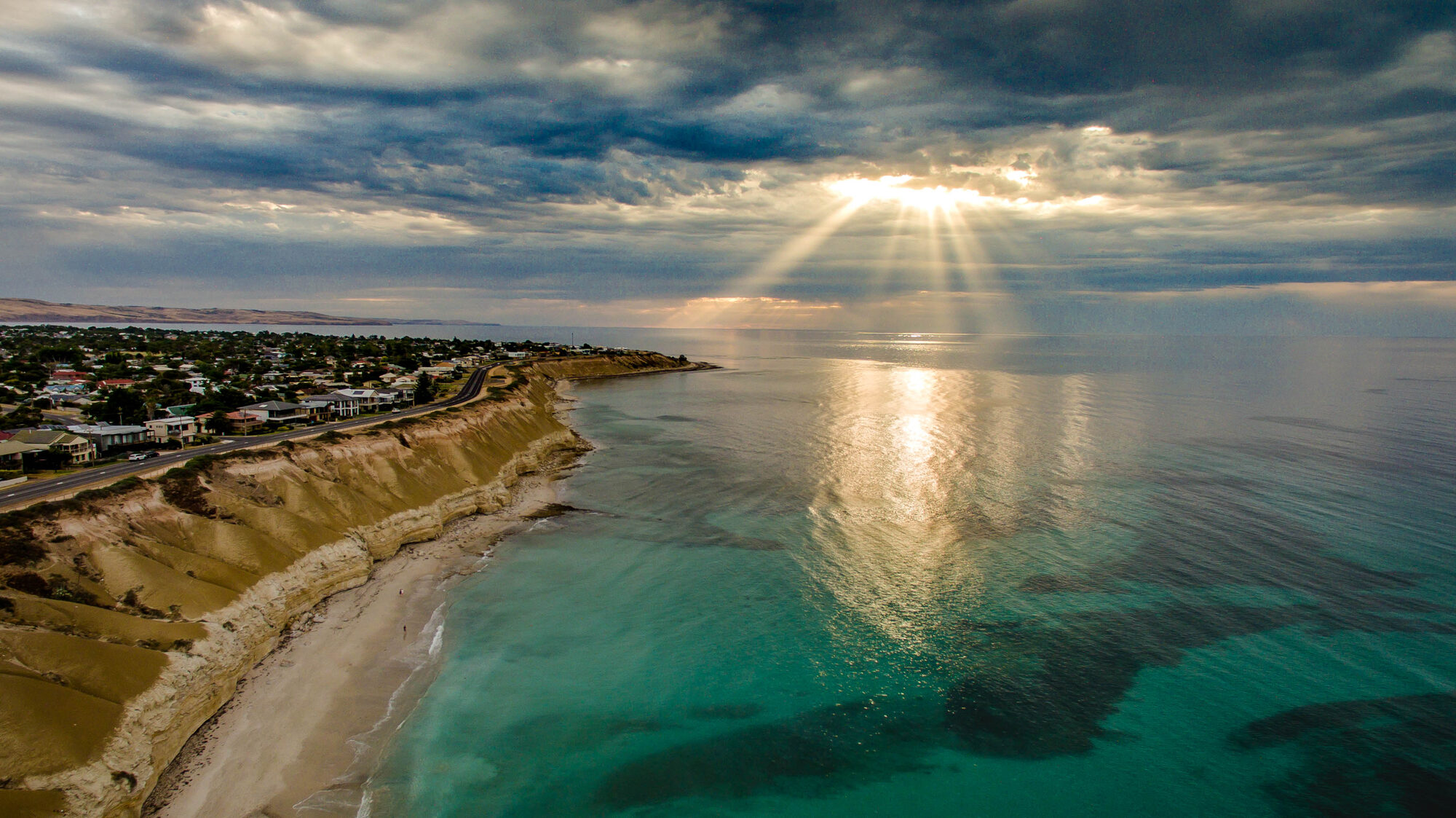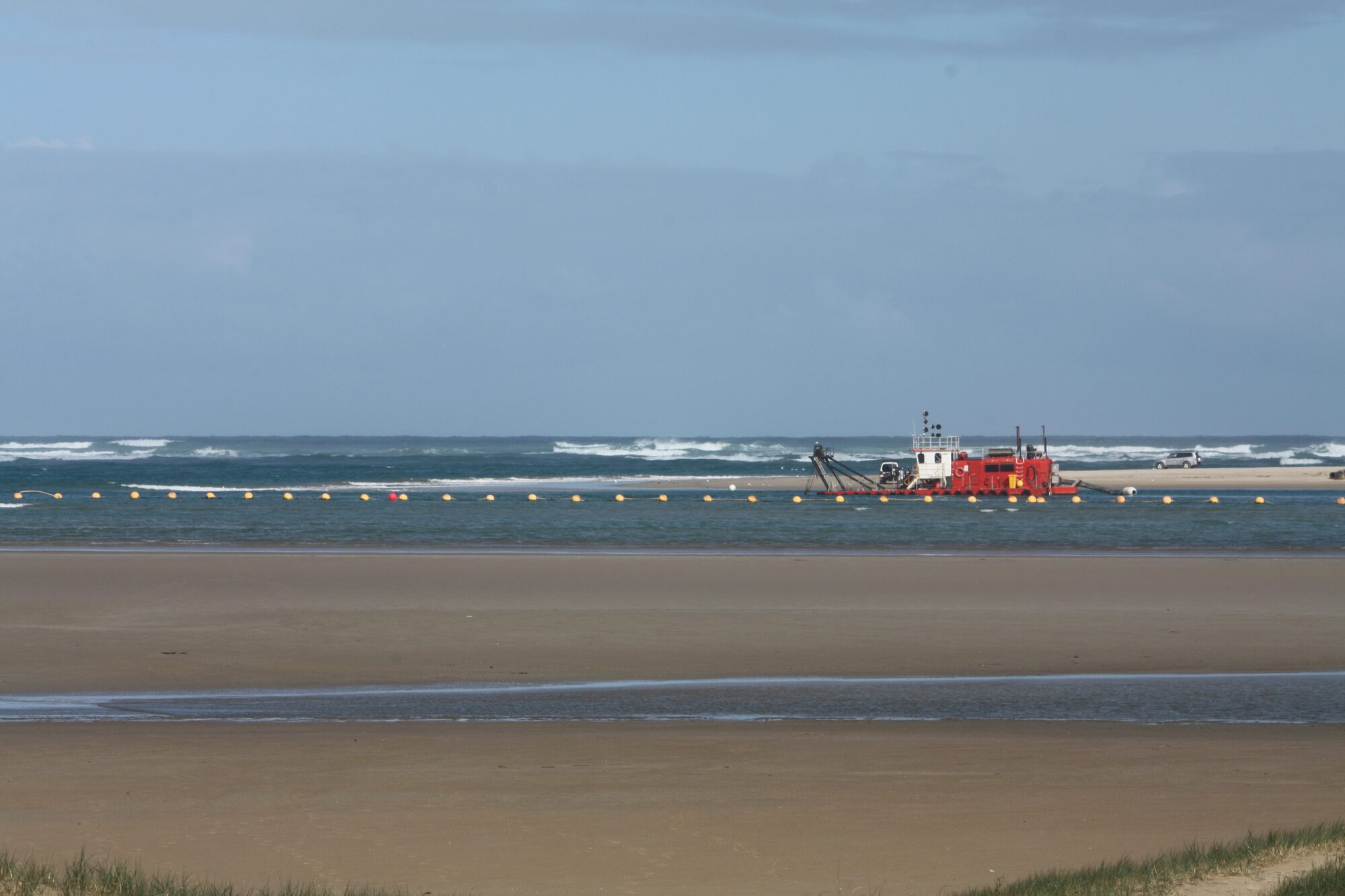
The Ngarrindjeri are the Traditional Owners of the Lower Murray, the Lower Lakes and the Coorong - some of the most ecologically and culturally significant Country in southern Australia. Their continuing connection to land and water has shaped the Fleurieu south-east for tens of thousands of years.
Country
The Ngarrindjeri are the Traditional Owners of the Lower Murray, Lake Alexandrina, Lake Albert, the Coorong, the Murray Mouth and the south-eastern coast of the Fleurieu Peninsula. Their Country is some of the most water-rich land in southern Australia - a landscape of freshwater lakes, brackish lagoons, dune systems, river channels and the long, narrow Younghusband Peninsula that separates the Coorong from the Southern Ocean.
The Ngarrindjeri are not a single tribe in the usual sense. They are a confederation - historically organised as the Tendi, a council of around eighteen lakinyeri or family groups, each with responsibility for its own stretch of Country. Decisions affecting the whole nation were made by the Tendi together. It is one of the oldest known democratic systems in Australia.
Living on water
Ngarrindjeri life was shaped by water more than by land. Daily food came from the river, the lakes and the sea: Murray cod, mulloway, mullet, perch, freshwater turtles, swans, ducks and the cockles (kuti) that still wash up on Goolwa Beach in their thousands. Reed weaving was one of the most highly developed crafts of any Aboriginal nation in southern Australia - the Ngarrindjeri sister baskets woven from sedges and rushes are still being made today by descendants of the original weavers, and are recognised internationally as significant cultural artefacts.
The Coorong itself - a 130-kilometre saltwater lagoon system - is criss-crossed with the remains of middens, ancient shell mounds where generations of Ngarrindjeri ate cockles, mussels and pipis. Some of the middens contain bones, charcoal and tools that span thousands of years of continuous occupation.
Contact
The first sustained European contact came with Charles Sturt's 1830 expedition, which travelled down the Murray by whaleboat and reached Lake Alexandrina and the Murray Mouth. Sturt's journals are the earliest detailed European description of Ngarrindjeri Country, and they record a landscape that was densely populated, well-managed and abundant in food.
What followed - colonisation from the 1830s onwards - was catastrophic. Disease, dispossession, frontier violence and the disruption of fishing and hunting grounds reduced the Ngarrindjeri population by an estimated 90% within a generation. In 1859 the Point McLeay mission - now known as Raukkan - was established on the southern shore of Lake Alexandrina as a Lutheran-led settlement that became the centre of Ngarrindjeri life through the 19th and 20th centuries.
David Unaipon
One of the most extraordinary Australians of the early 20th century was a Ngarrindjeri man born at Raukkan in 1872. David Unaipon was a preacher, an inventor, a writer and the first Aboriginal author to be published in Australia. He filed nineteen patent applications across his lifetime - including a modified mechanical handpiece for sheep shears in 1909 that was used widely in the Australian wool industry without him receiving royalties for the design.
Unaipon's portrait appears on the Australian fifty-dollar note. His writing on Ngarrindjeri stories and culture, Legendary Tales of the Australian Aborigines, was the first book by an Indigenous Australian author. He died in 1967 and is buried at Raukkan.
The Hindmarsh Island controversy
In the 1990s, plans to build a bridge from Goolwa to Hindmarsh Island became one of the most contested heritage cases in Australian history. A group of senior Ngarrindjeri women raised confidential objections to the bridge on the grounds that the site was associated with restricted women's knowledge - sacred information that could not be openly disclosed. The case dominated South Australian politics for years. A 1995 Royal Commission contested the women's claims, but a later 2001 Federal Court judgment in Chapman v Luminis found that the women's beliefs were genuine.
The bridge was built in 2001. The dispute remains a raw chapter in the relationship between Ngarrindjeri Country and the Australian state. It also forced a wider conversation about how heritage law treats restricted Indigenous knowledge - a conversation that is still going on.
Today
The Ngarrindjeri Regional Authority was formed in 2007 as the peak representative body for the Ngarrindjeri nation. It manages native title, natural resource management agreements, cultural heritage and land management programs across Country, and works in partnership with state and federal governments on environmental projects in the Lower Lakes and the Coorong.
Visitors to Ngarrindjeri Country are welcomed at several public sites: Coorong National Park (proclaimed in 1966 to protect over 130 km of coastal lagoon and dune habitat), the Murray Mouth at Goolwa, Camp Coorong near Meningie (a race relations and cultural education centre established by the Ngarrindjeri in 1985), and the Raukkan community (visits by arrangement only). The Coorong was the setting for Colin Thiele's 1964 novel Storm Boy and the 1976 film, both of which were made with Ngarrindjeri participation and helped bring the landscape to a national audience.
When you walk the barrage at Goolwa or stand on the dune crests of the Younghusband Peninsula, you are on Country that has been continuously cared for by the Ngarrindjeri for tens of thousands of years. The seals on the barrage, the pelicans on the lake, the cockles on the beach - they all sit inside a relationship between people and land that is older than every empire on earth.