

· 9 min read
Between 1935 and 1940, five massive barrages were built across the lower channels of the Murray to keep the Southern Ocean out of Lake Alexandrina. They are still standing, still working, and still controversial.
A river that almost ran dry
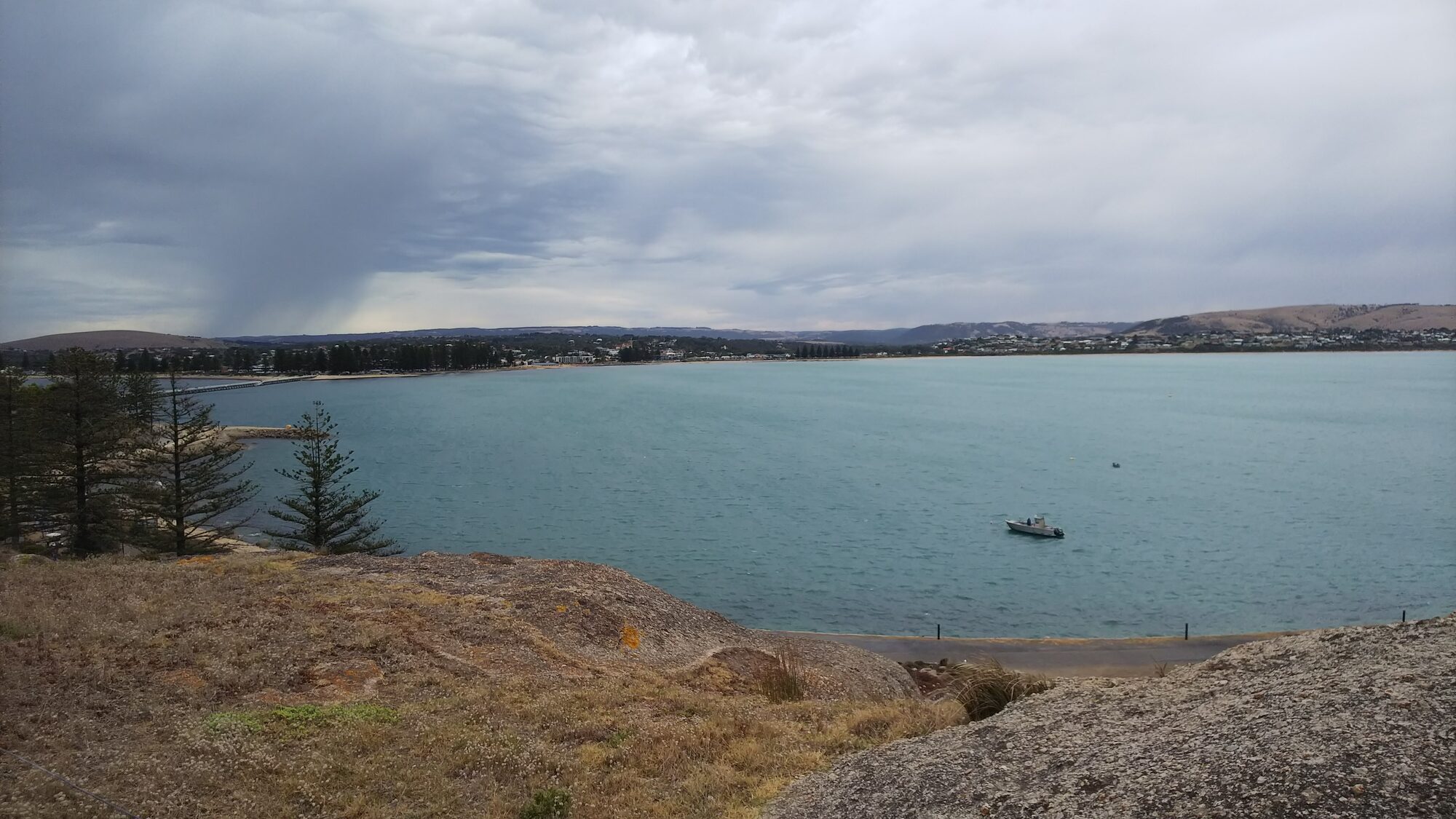
The Murray-Darling river system drains roughly one seventh of the Australian continent. Its waters reach the sea at exactly one place: the Murray Mouth, on the south-western edge of the Fleurieu Peninsula, where the river flows out through a narrow channel between Goolwa and Hindmarsh Island and into the open Southern Ocean.
For the first 50,000 years of human occupation of the basin, the Murray Mouth was unremarkable. It was a tidal river mouth like a hundred others on the Australian coast - sometimes wide and clear, sometimes silted shut by storms, with the salt of the sea pushing back upriver during droughts and the fresh water pushing out during the wet years. The Ngarrindjeri people of the Lower Murray and Coorong managed it as part of a larger seasonal landscape.
That balance changed when European settlers started using the upstream Murray for irrigation in the late 19th century. By the 1920s and 1930s, the river was running noticeably less water than it had a century earlier. The annual drought-and-flood cycle had been smoothed out by upstream dams and weirs. And the salt water from the sea had started to push much further upriver during the dry years - far enough up that the lower lakes (Alexandrina and Albert) were threatened with becoming salty seasonal estuaries instead of freshwater lakes.
This was a problem for the farmers, towns and ferries of the Lower Lakes, all of which depended on freshwater. Something had to be done.
The decision to build the barrages
The solution that the South Australian government chose in the early 1930s was massive: build a chain of concrete-and-rock walls across all the lower channels of the Murray, separating the freshwater lakes upstream from the saltwater estuary and ocean downstream. Five barrages were planned - at Goolwa, Mundoo, Boundary Creek, Ewe Island and Tauwitchere - and together they would seal off Lake Alexandrina from the sea.
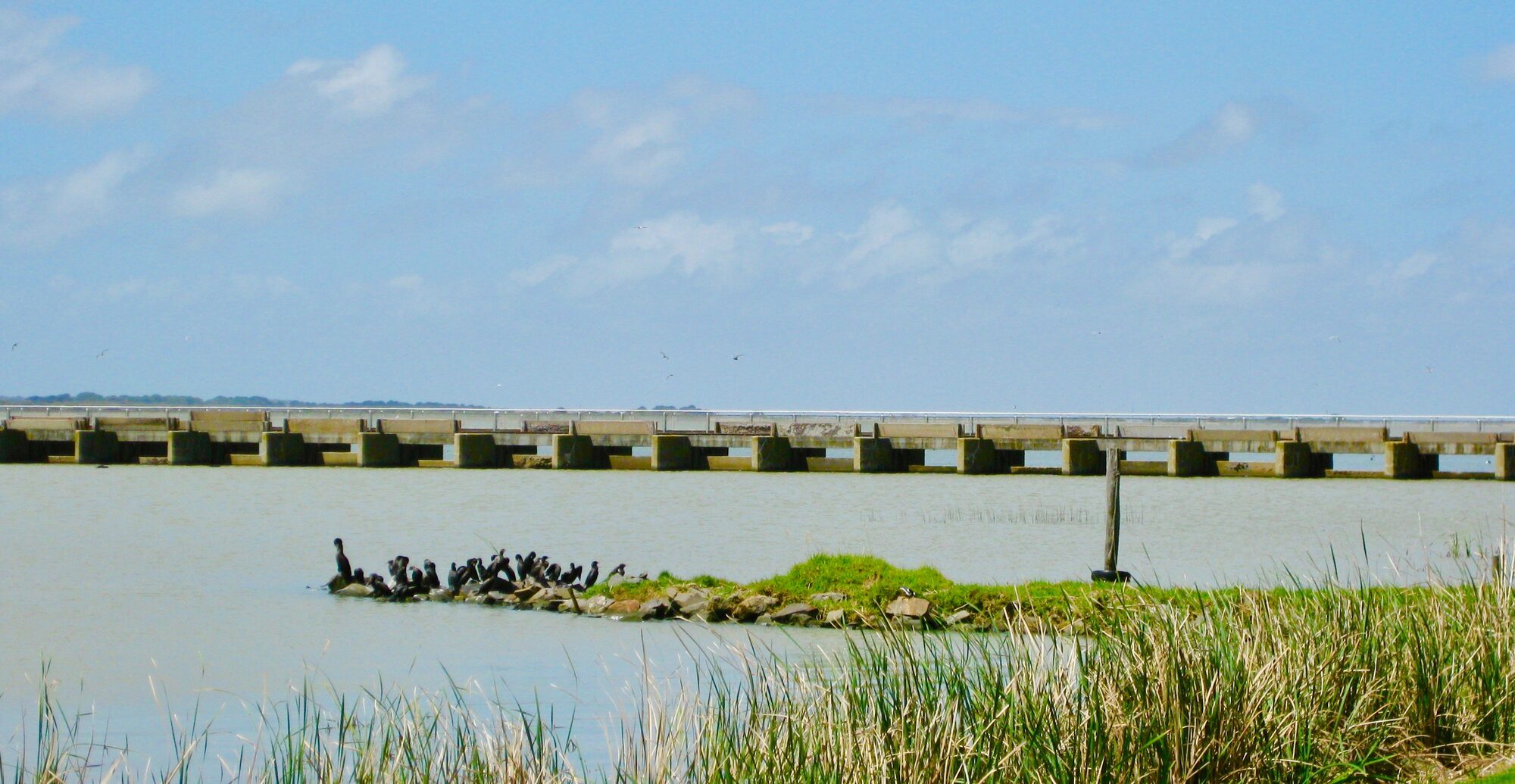
Construction began in 1935 and continued until 1940. The Goolwa Barrage, the largest and most-visited of the five, is 632 metres long and has 128 lock gates that can be opened individually to release water downstream during high flows. The Tauwitchere Barrage is even longer at 3.6 kilometres. Together the five barrages effectively turned the Lower Lakes into a freshwater reservoir cut off from the tides.
The construction was a major Depression-era public works project employing hundreds of men, many of them previously unemployed. Concrete was poured by hand. Rock was barged in from local quarries. The project came in on time and within budget, which was unusual for any 1930s government work. By 1940 the barrages were complete and the Lower Lakes were locked behind them.
What the barrages did
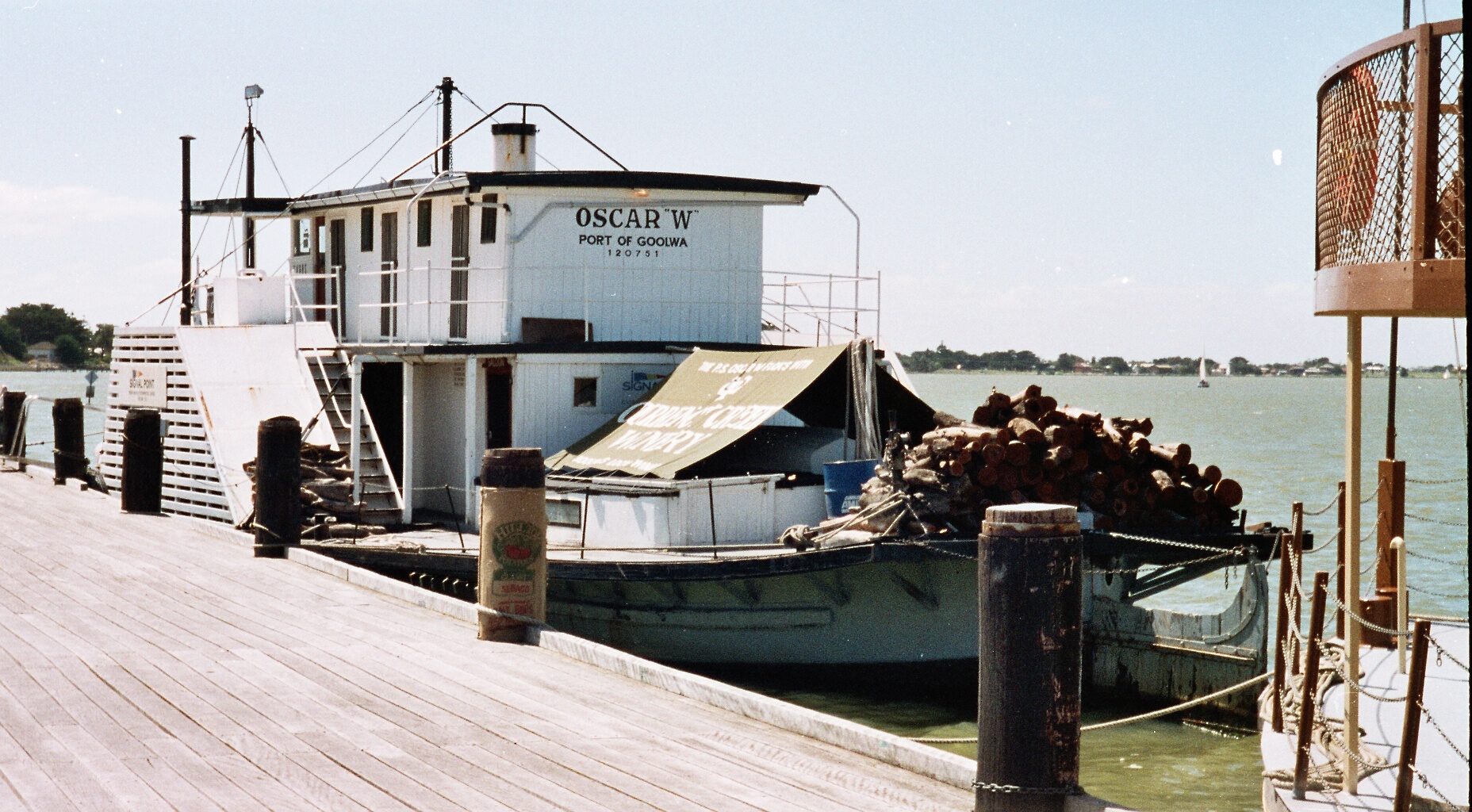
The immediate effect of the barrages was exactly what they had been designed to do. The salt water was kept out of Lake Alexandrina. The freshwater of the lakes was preserved for the farms of the Murray riverlands and the towns along the lake edges. Goolwa, which had been the busy inland port of the 19th-century paddle steamer trade, now sat downstream of the barrage on a saltwater estuary, while the freshwater paddle steamer trade upstream of the barrage continued for several more decades.
The barrages also created an unusual ecological boundary. On the freshwater side, you have ducks, swans, ibis, freshwater fish. On the saltwater side, you have fur seals, pelicans, mulloway, bream, the open Southern Ocean. The walking path across the Goolwa Barrage today is one of the few places in Australia where you can watch a fur seal colony hauled out on one side and a flock of black swans on the other.
The seals
The long-nosed fur seal colony on the downstream wall of the Goolwa Barrage is one of the unexpected legacies of the 1940 construction. The seals discovered the barrage in the 1990s. They worked out that the locks released huge volumes of water (and the fish that came with it) at predictable times, and they started showing up in numbers to take advantage. They have been there ever since. The colony now numbers in the dozens at any given time and has become one of the more reliable wildlife encounters on the Fleurieu - you walk to the end of the public walkway and there they are, lounging on the wall just below the railing.
The fishing community below the barrage has mixed feelings about the seals. They eat a lot of fish. They damage nets. They have become a regular target of complaint at meetings of the Lower Lakes fishery cooperative. Conservationists, on the other hand, point out that fur seals were nearly hunted to extinction in the 19th century and that their return to the South Australian coast is an environmental success story. The argument continues.
The ongoing debate
The bigger and longer-running debate is whether the barrages should still be there at all.
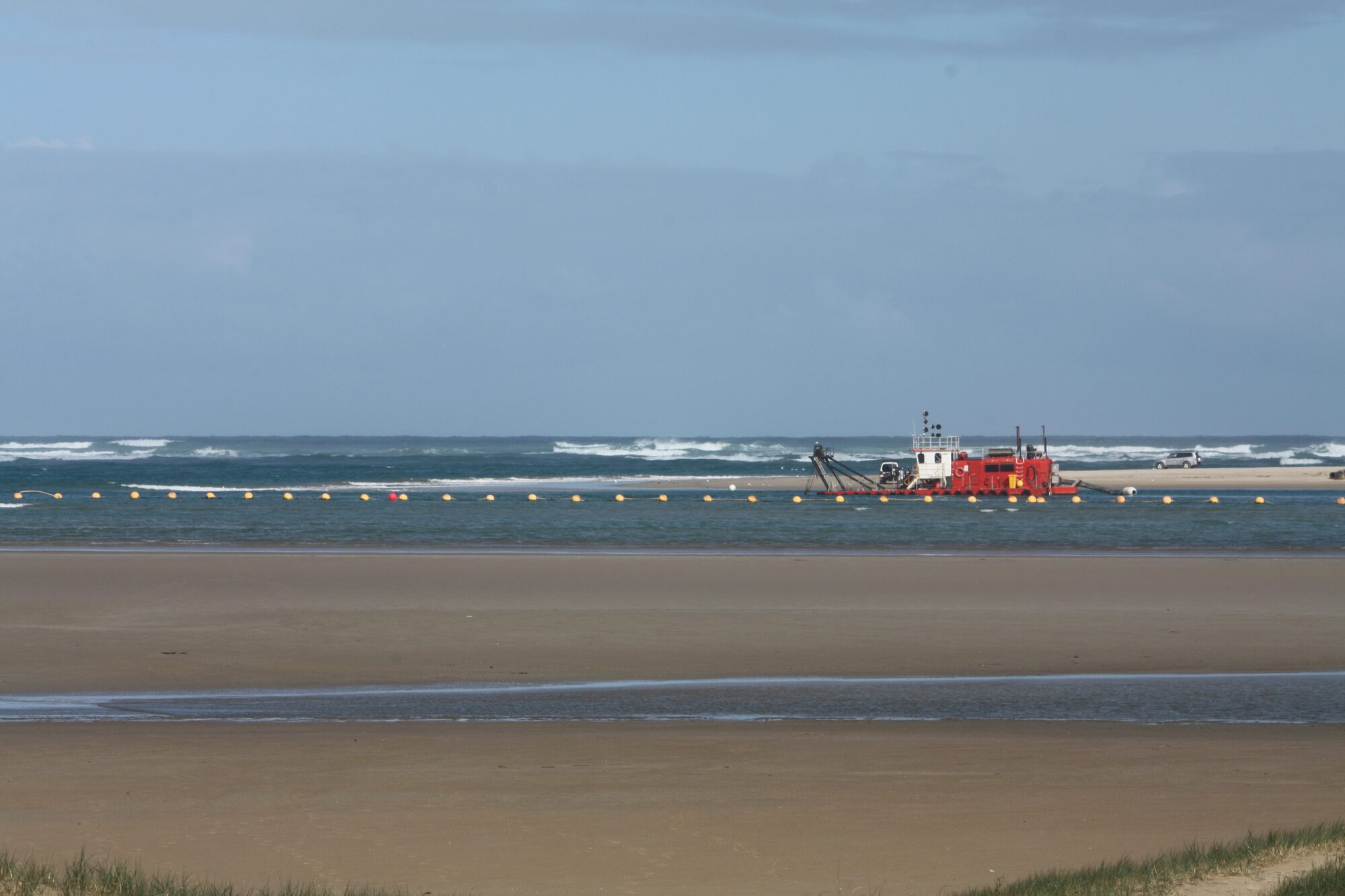
In the years since they were built, two arguments have grown around them. The first is environmental: by separating the lakes from the sea, the barrages have prevented the natural tidal flushing that the Murray Mouth used to provide. Combined with reduced upstream flows from irrigation, this has caused the Murray Mouth itself to silt up almost permanently. Dredges have been operating continuously at the Mouth since 2002 to keep it open. Without the dredges, the Mouth would close and the Coorong - the long shallow lagoon south of the Mouth - would rapidly become hypersaline and biologically dead.
The second argument is cultural. The Ngarrindjeri people, whose Country includes the Lower Lakes, the Coorong and the Murray Mouth, have long argued that the barrages disrupted a culturally significant landscape and a long-managed ecological system. Some Ngarrindjeri voices have called for the barrages to be removed entirely; others advocate for managed releases that would partially restore the natural tidal cycle.
Neither side is winning. The barrages are still there. The dredges are still running at the Mouth. And the lakes upstream remain freshwater, which is what the 1930s engineers wanted.
Visiting
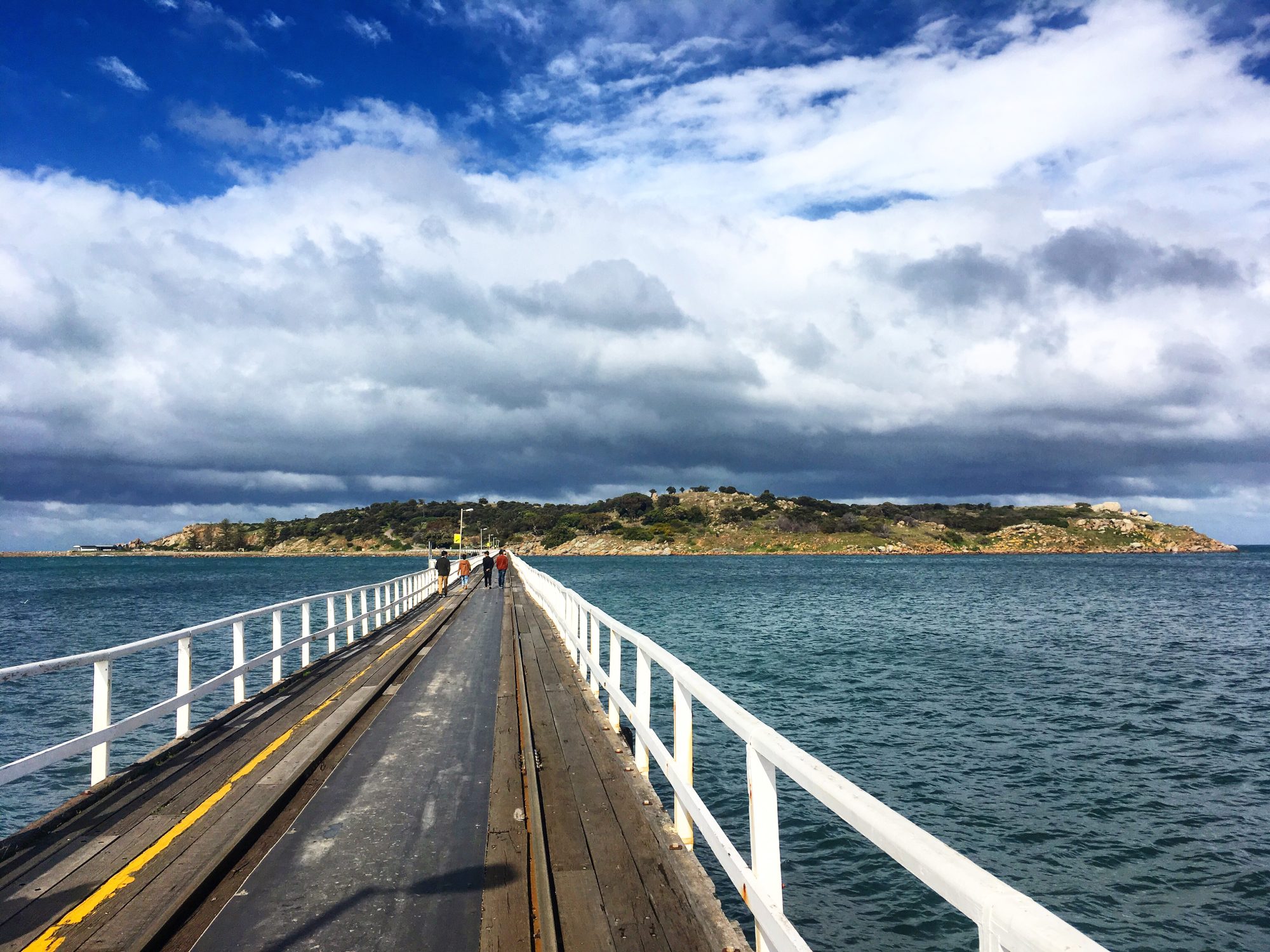
The Goolwa Barrage is the easiest of the five to visit. A short drive across the bridge from Goolwa onto Hindmarsh Island brings you to the carpark at the eastern end of the barrage, and from there you can walk the full 250-metre public section across to the lock-keeper's hut on the lock end. The seals are usually on the downstream wall directly below the path. Pelicans, swans and cormorants on the upstream side. Free entry, free parking, toilets and BBQs at the carpark. One of the best free family days on the Fleurieu, and a piece of working 1930s engineering you can walk on.