

· 5 min read
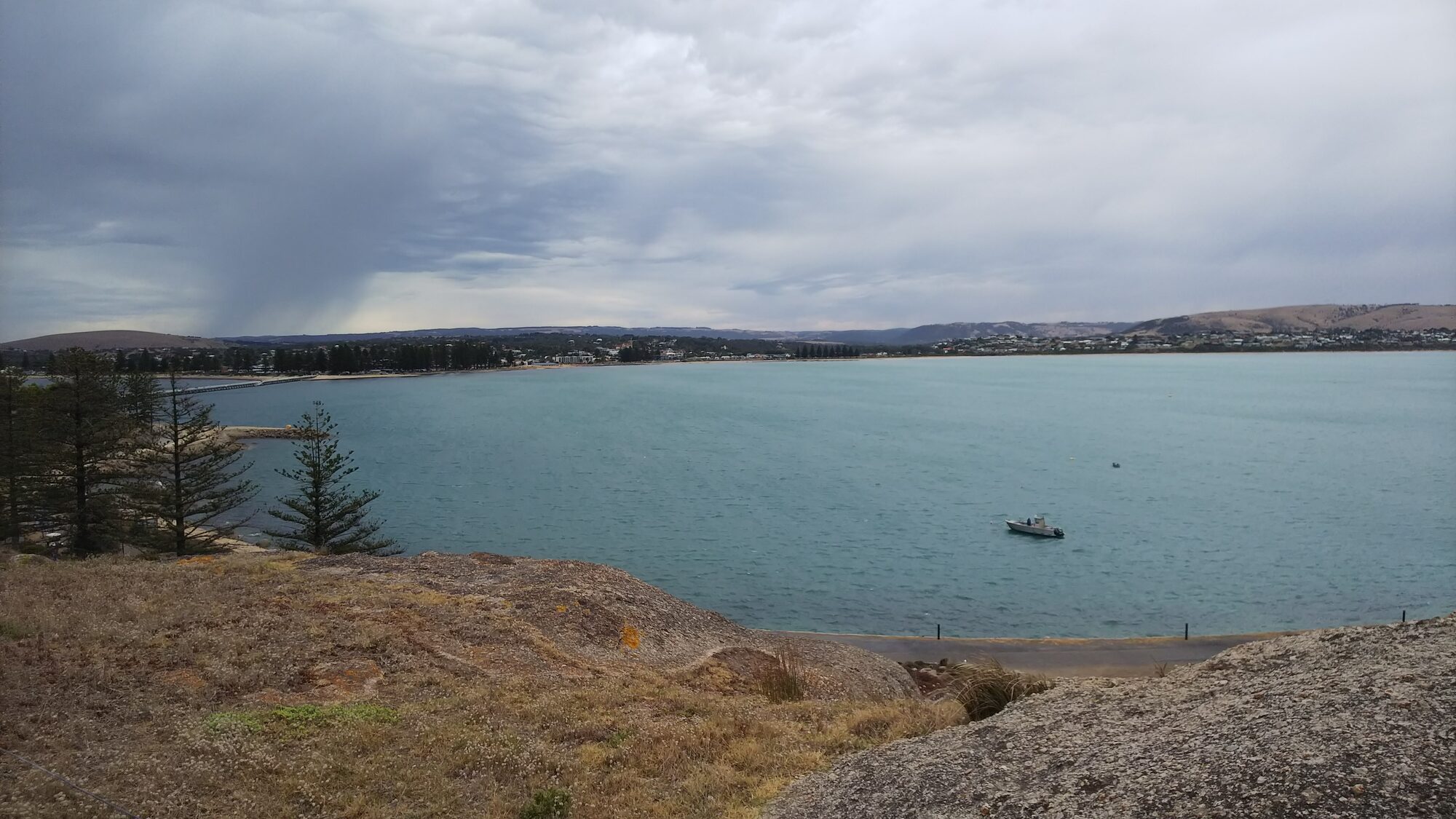
The Goolwa to Port Elliot line was opened in 1854 and is the oldest public railway in mainland Australia. Today it runs as the SteamRanger Cockle Train along the Encounter Coast.
On 18 May 1854, a horse-drawn freight wagon trundled the seven miles between Goolwa and Port Elliot along a brand-new track. It was carrying wool. There were no passengers. Almost nobody noticed.
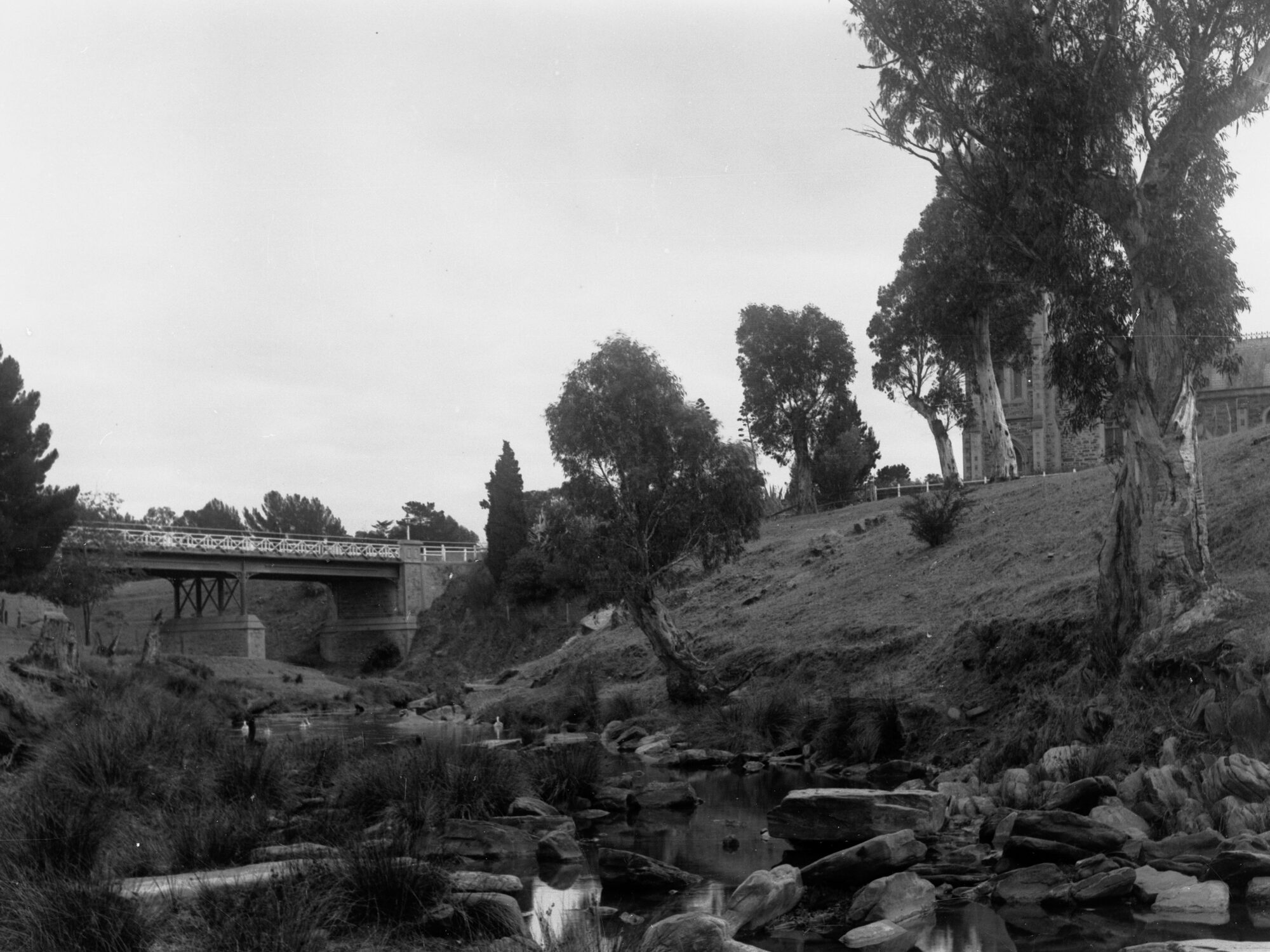
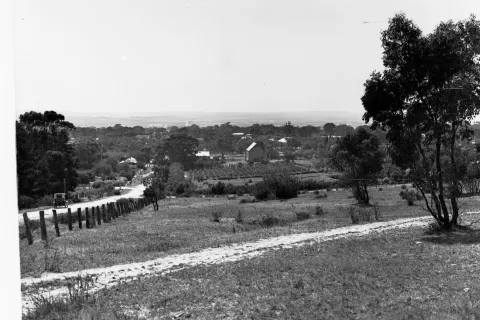
What had just happened, in fact, was the opening of the first public railway on the Australian mainland. The Goolwa to Port Elliot Tramway pre-dated every other public railway in Australia except the convict-built lines on the Tasman Peninsula. It would not be steam-powered for another decade. But the rails were there, and the rails were public.
A workaround for the Murray Mouth
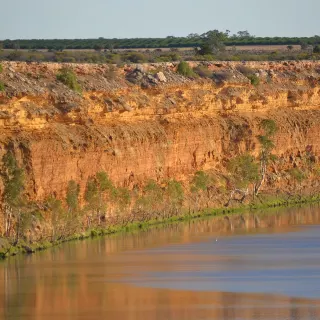
The reason the line existed at all was the Murray Mouth. Throughout the 1840s and 1850s, paddle-steamers had begun working their way up and down the Murray-Darling river system, opening a vast inland trade. The natural place for that trade to leave the river system and connect to the wider world was at Goolwa, the inland port at the lower end of the Murray.
The problem was the mouth itself. The bar at the Murray Mouth was - and is - a wild, shifting, dangerous stretch of water. It was effectively impassable to ocean shipping. Goods coming down the Murray on a paddle-steamer could reach Goolwa easily but had no way of getting to the open sea.
The solution was to bypass the mouth entirely. A tramway was built across the narrow strip of land between Goolwa and the deep-water port at Port Elliot, just seven miles away. Goods could be transferred from paddle-steamer to wagon at Goolwa, hauled across the land bridge, and loaded onto an ocean-going ship at Port Elliot's harbour.
The line was extended to Victor Harbor in 1864, after Port Elliot's exposed harbour proved too dangerous for sailing ships and several vessels were wrecked in storms. By the 1870s the line had been converted from horse to steam.
The cockles
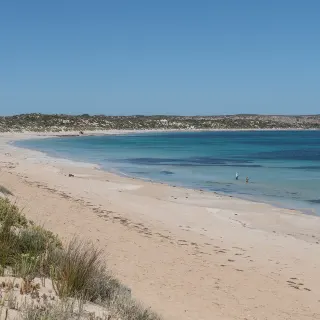
The "Cockle Train" name is much later. From the 1880s onward, Adelaide families would catch the train down to Goolwa for a day at the beach. The traditional treat was to dig for pipis (locally called cockles) in the sand at Goolwa Beach - a pursuit that gave the line its eventual nickname. Generations of South Australian children went on "the Cockle Train" with a bucket and a spade.
The regular passenger service on the line ran until the 1980s. When SA Railways finally pulled the plug, the volunteer-run SteamRanger Heritage Railway stepped in. SteamRanger has been operating the line since 1986.
Today
The Cockle Train still runs - Goolwa to Middleton to Port Elliot to Victor Harbor, about 16 kilometres of track along the Encounter Coast. The motive power is a fleet of heritage Rx-class steam locomotives and 1920s Brill rail-cars. SteamRanger publishes a seasonal timetable: typically Wednesdays, Sundays, and every day during South Australian school holidays.
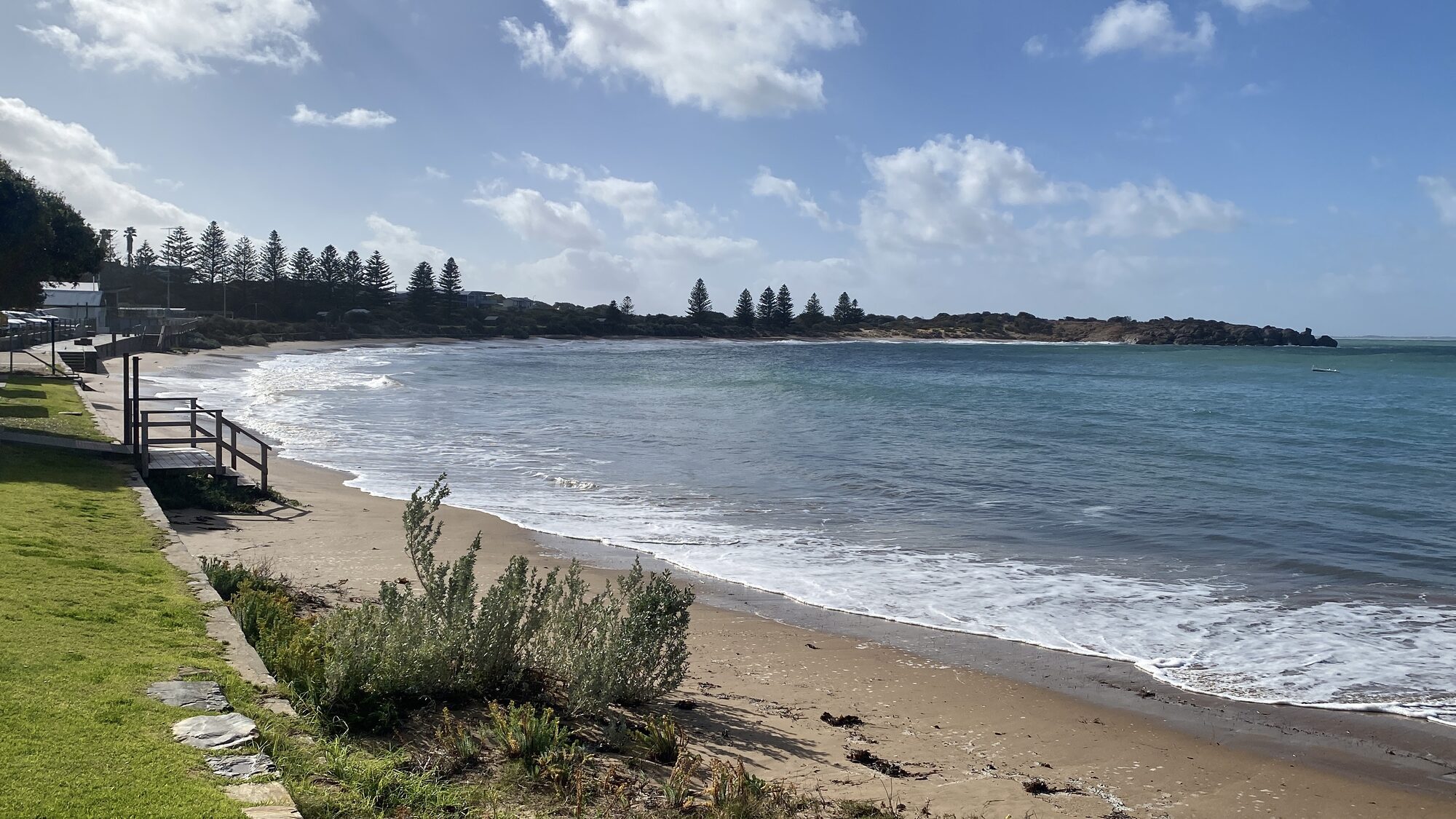
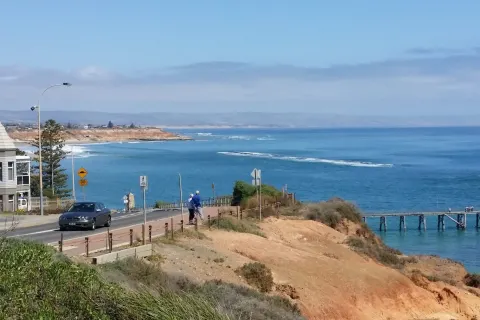
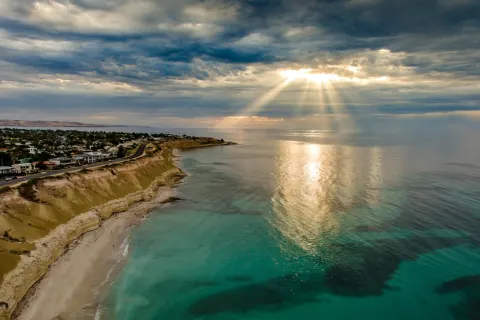
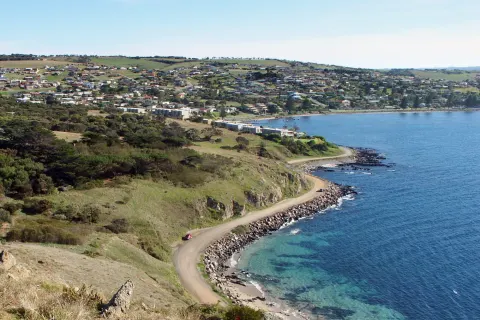
The ride takes about an hour each way. The track runs right along the back of Middleton Beach and then climbs gently through the dunes into Port Elliot - one of the prettiest short heritage train rides in the country. SteamRanger also operates the longer Southern Encounter service from Mount Barker down through the Adelaide Hills to Goolwa, for visitors who want to make a full day of it.
It is, depending on how you choose to think about it, either Australia's oldest active public railway or one of its best-preserved heritage steam lines. Both are accurate.
What to do
- Take the Cockle Train one-way and walk back along the Encounter Bikeway
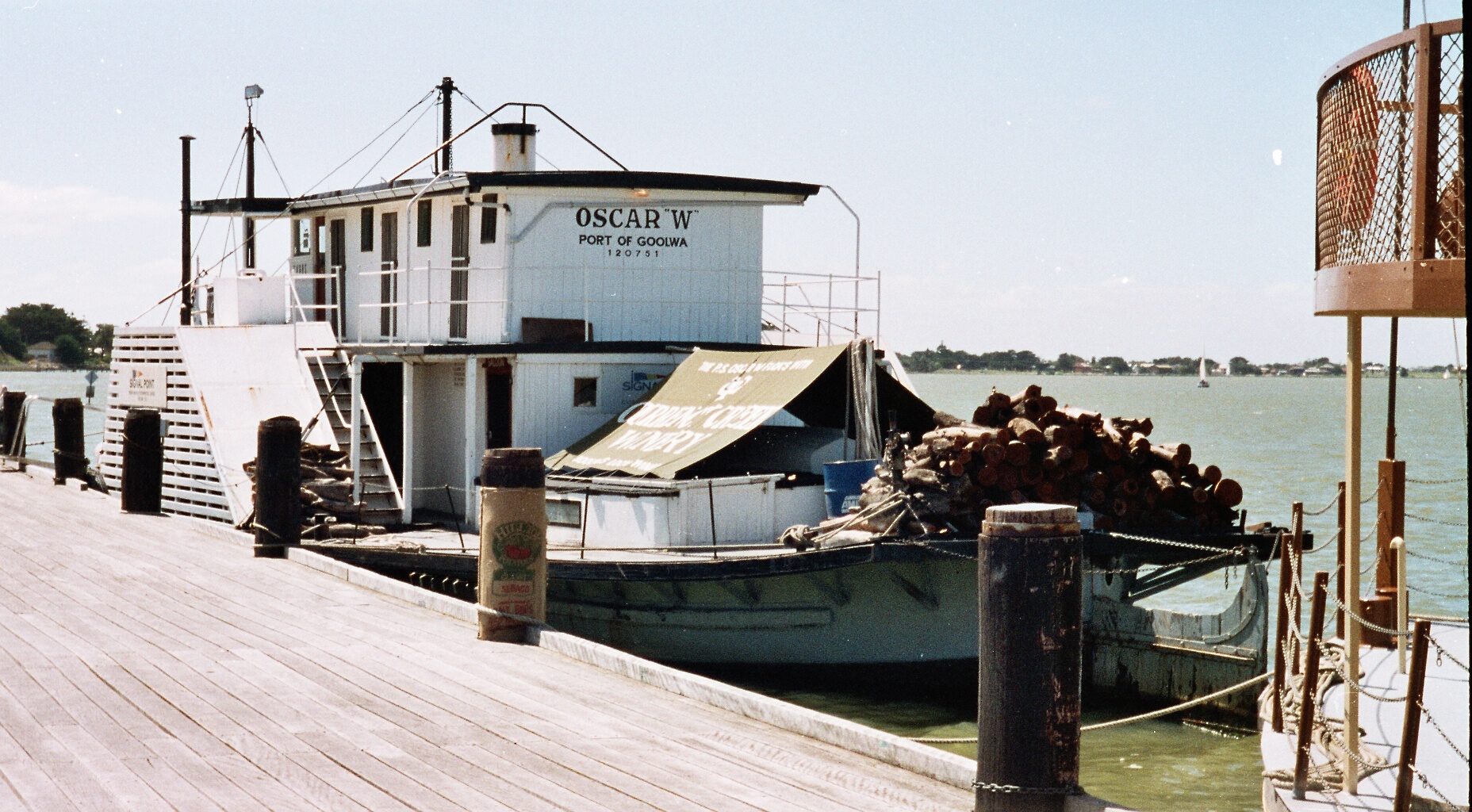
- Combine with a visit to the Goolwa Wharf precinct - the PS Oscar W paddle-steamer is moored at the wharf
- Stop at Port Elliot Bakery between trains - it is two minutes from the station
- The line runs through some of the best southern right whale watching country - bring binoculars in winter