
Whale watching in Fleurieu Peninsula
Where, when and how to see southern right whales in Encounter Bay - the most accessible whale-watching coast in southern Australia.
Why Fleurieu Peninsula
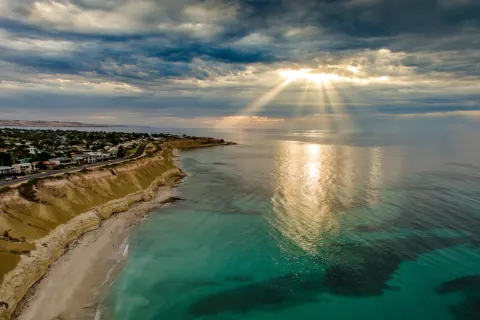
Between May and October every year, southern right whales (Eubalaena australis) migrate north from the sub-Antarctic feeding grounds and arrive in Encounter Bay to calve and rest. The bay - sheltered, shallow, with a sandy bottom and protected from heavy southerly swells by Wright Island and Granite Island - is one of only a handful of reliable calving sites for this species on the southern Australian mainland.
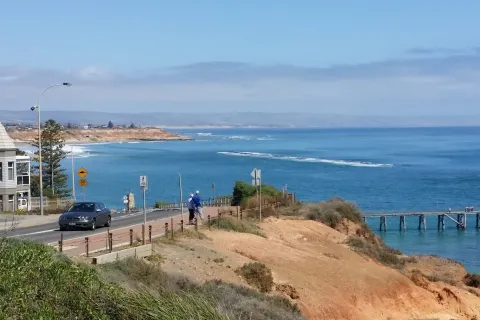
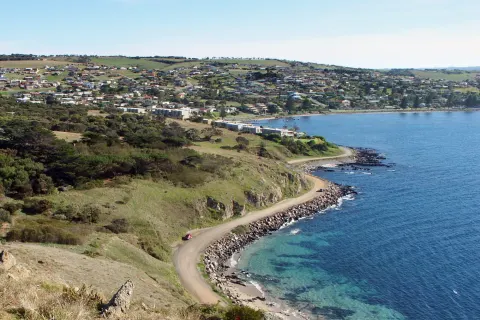
What makes Fleurieu Peninsula different from most whale-watching destinations is how close you get without a boat. Mothers and calves regularly come within 100 metres of the shoreline. The clifftops at Rosetta Head (The Bluff), Petrel Cove, Kings Beach and Waitpinga drop straight into the bay, which means a 15-minute walk and a pair of binoculars is often enough.
The season
The first whales arrive in May. Numbers peak in July and August. The last whales usually leave in late October. The peak weeks for sightings are the school holidays of July - the bay is busy then, but the whales are reliable. June and September are the quieter months with slightly lower sighting rates but much fewer crowds.
Other species
Southern right whales are the headline act, but they are not the only cetaceans in Encounter Bay. Bottlenose dolphins are reliable year-round. Humpback whales pass through occasionally on their migration. Common dolphins and the occasional killer whale have been recorded. Long-nosed fur seals can be seen on the rocks of Granite Island and on the downstream wall of the Goolwa Barrage every day of the year.
The best lookouts
The signature whale-watching spots in Fleurieu Peninsula, ranked roughly by reliability of sightings.
Big Duck Boat Tours
Victor Harbor

Encounter Bay
Victor Harbor

Granite Island
Victor Harbor

Middleton
Port Elliot

South Australian Whale Centre
Victor Harbor

The Bluff (Rosetta Head)
Victor Harbor

Waitpinga Cliffs Walk
Victor Harbor
Freeman Lookout and Obelisk
Port Elliot
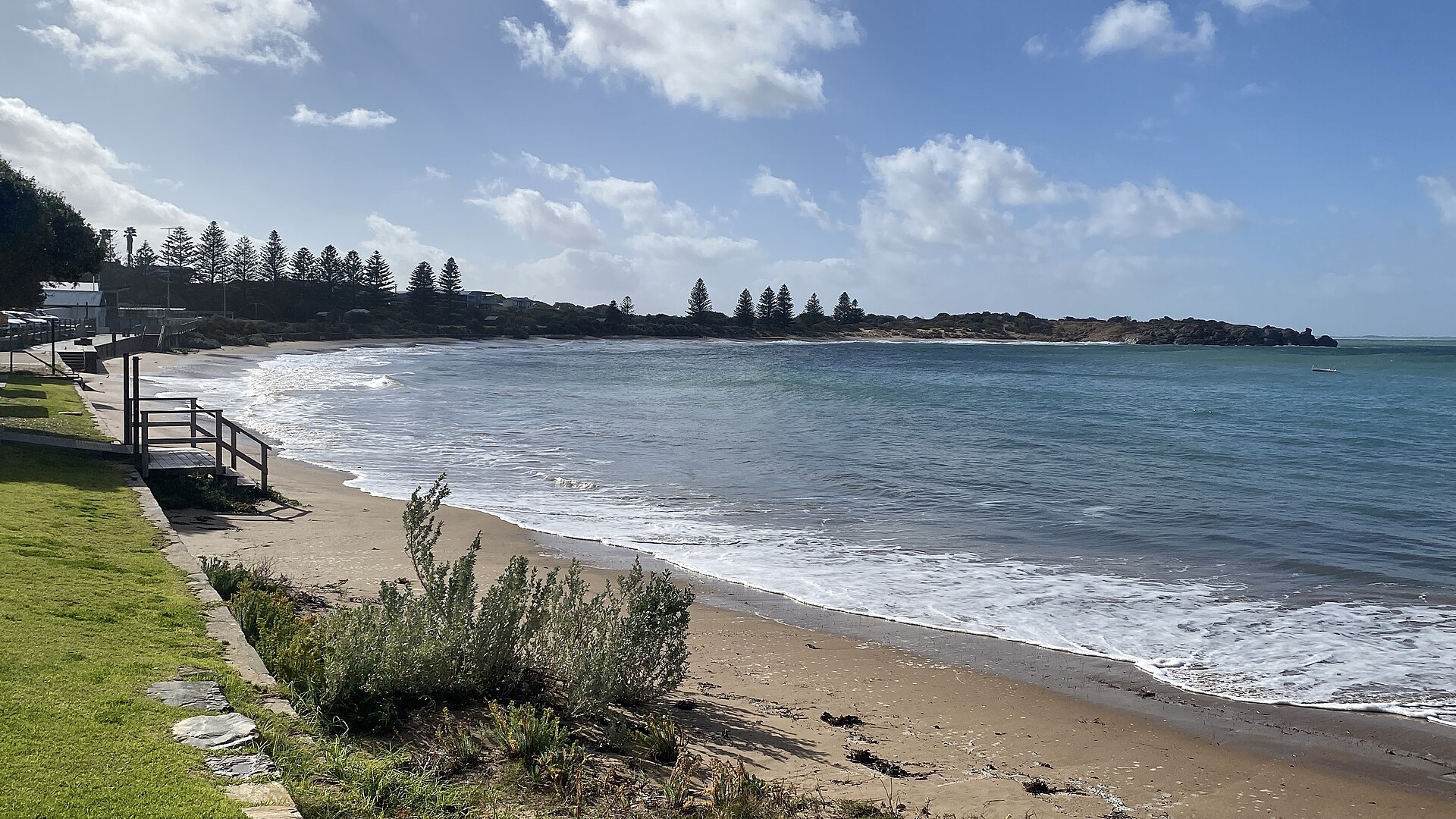
Harbourmasters Walking Trail
Port Elliot
Kings Beach
Victor Harbor

Kleinigs Hill Lookout
Victor Harbor
Ocean Street Bakehouse
Victor Harbor
Petrel Cove
Victor Harbor
Pirates Sea Charters
Victor Harbor
Whalers Seaside Dining
Victor Harbor
More to explore

Whale stories from Fleurieu Peninsula
The Fleurieu in October
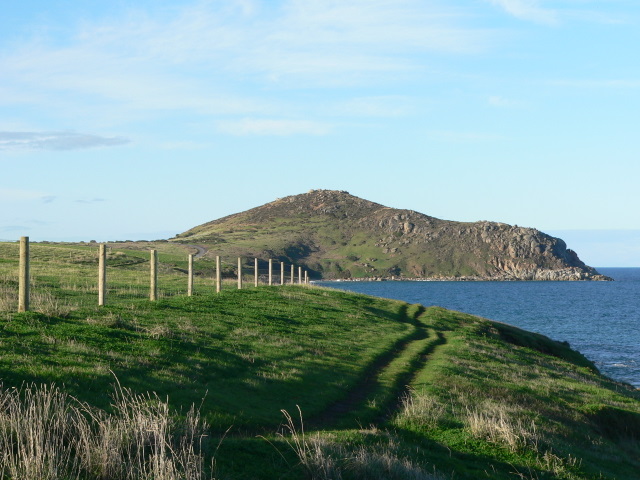
October on the Fleurieu is the overlap month - the final southern right whales of the season, wildflowers at full tilt, waterfalls still running, and beaches warming up before the crowds arrive. Here is how to use it.
June 2026 · 8 min read
The Port Elliot walking trails: a coastal loop through the town
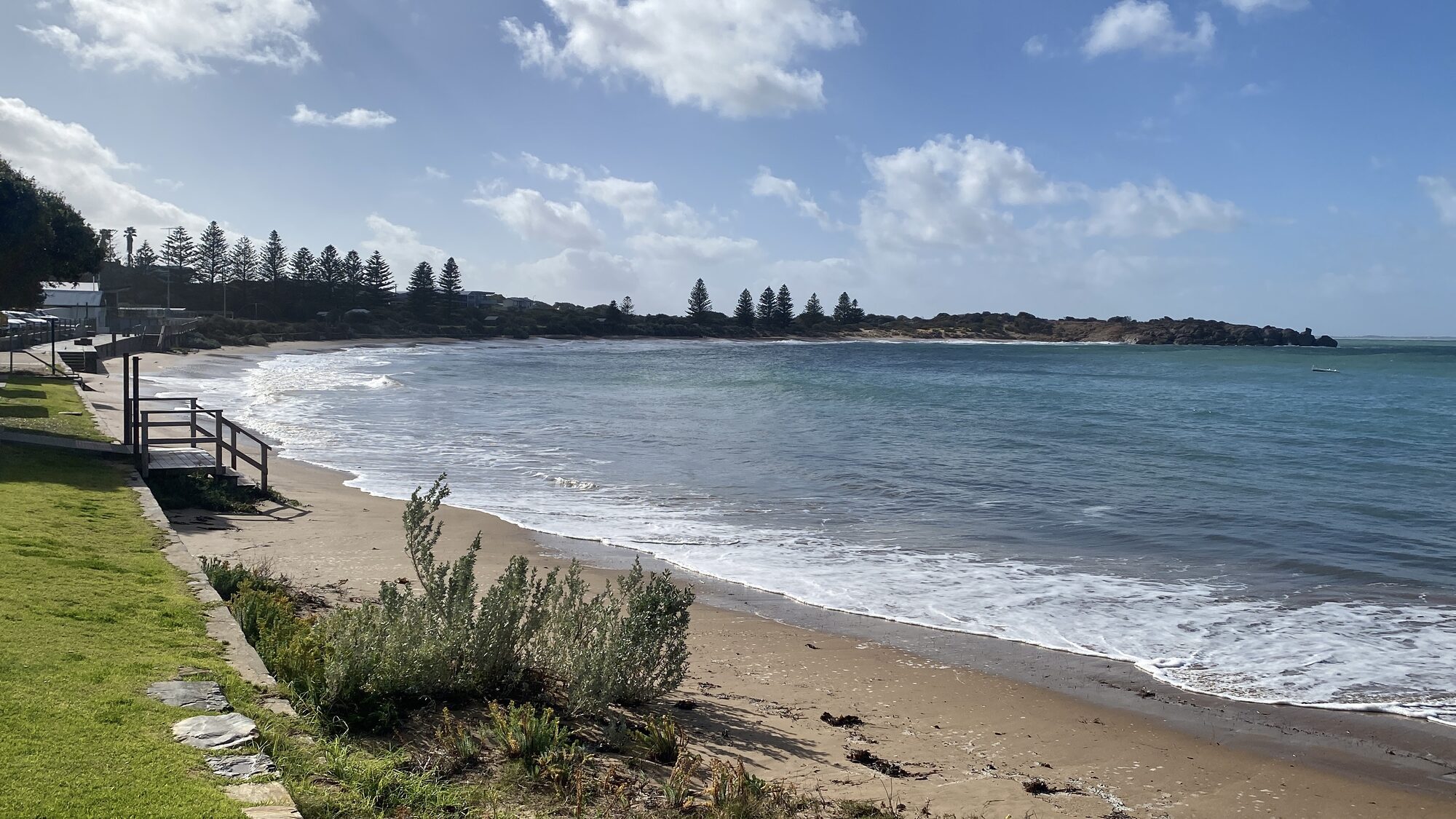
The Harbourmasters Trail is the short answer to 'what should we do for an hour in Port Elliot?' It is a sealed 1.9-kilometre loop that starts in the main street, hugs the granite cliffs, and takes in a half-dozen bays, a restored 1830s whaling lookout and one of the top bodyboarding breaks in Australia - and you can keep walking east from there all the way to the Murray Mouth.
April 2026 · 6 min read

Whale watching on the Fleurieu
Each winter, southern right whales return to the Encounter Bay coastline to calve and mate in the sheltered waters where they were once hunted to near-extinction. Here is where to see them.
April 2026 · 5 min read