
· 9 min read
The original Cape Jervis lighthouse was built in 1871 on the windswept headland where the mainland runs out. For a hundred years it was kept by families whose lives ran to the rhythm of the Backstairs Passage weather. The keeper logs read like a soap opera.
Where the mainland runs out
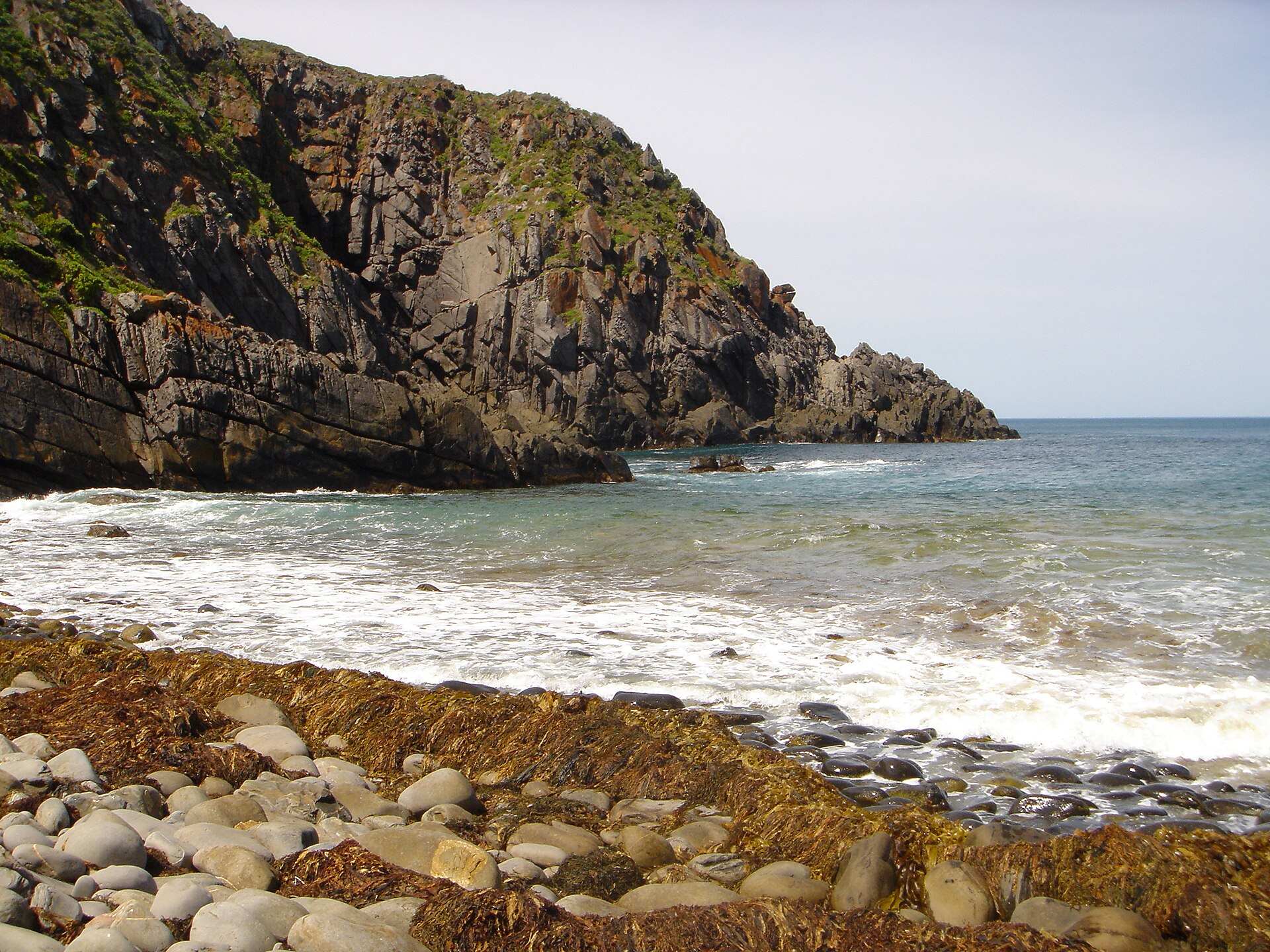
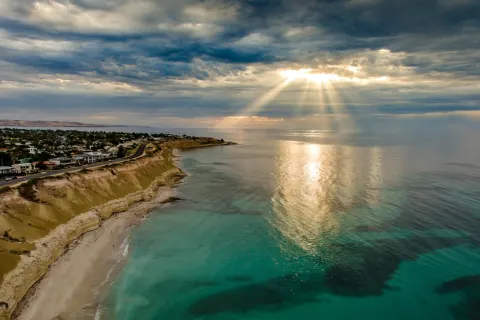
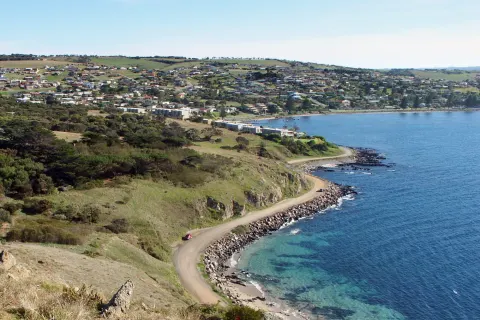
Cape Jervis sits on the south-western corner of the Fleurieu Peninsula, 107 kilometres from Adelaide, at the exact point where the bitumen stops and the ferry to Kangaroo Island takes over. From the headland you can see the island sitting 14 kilometres off across a stretch of water the first British navigators named Backstairs Passage - a name that carries a clear suggestion of how the early captains felt about it.
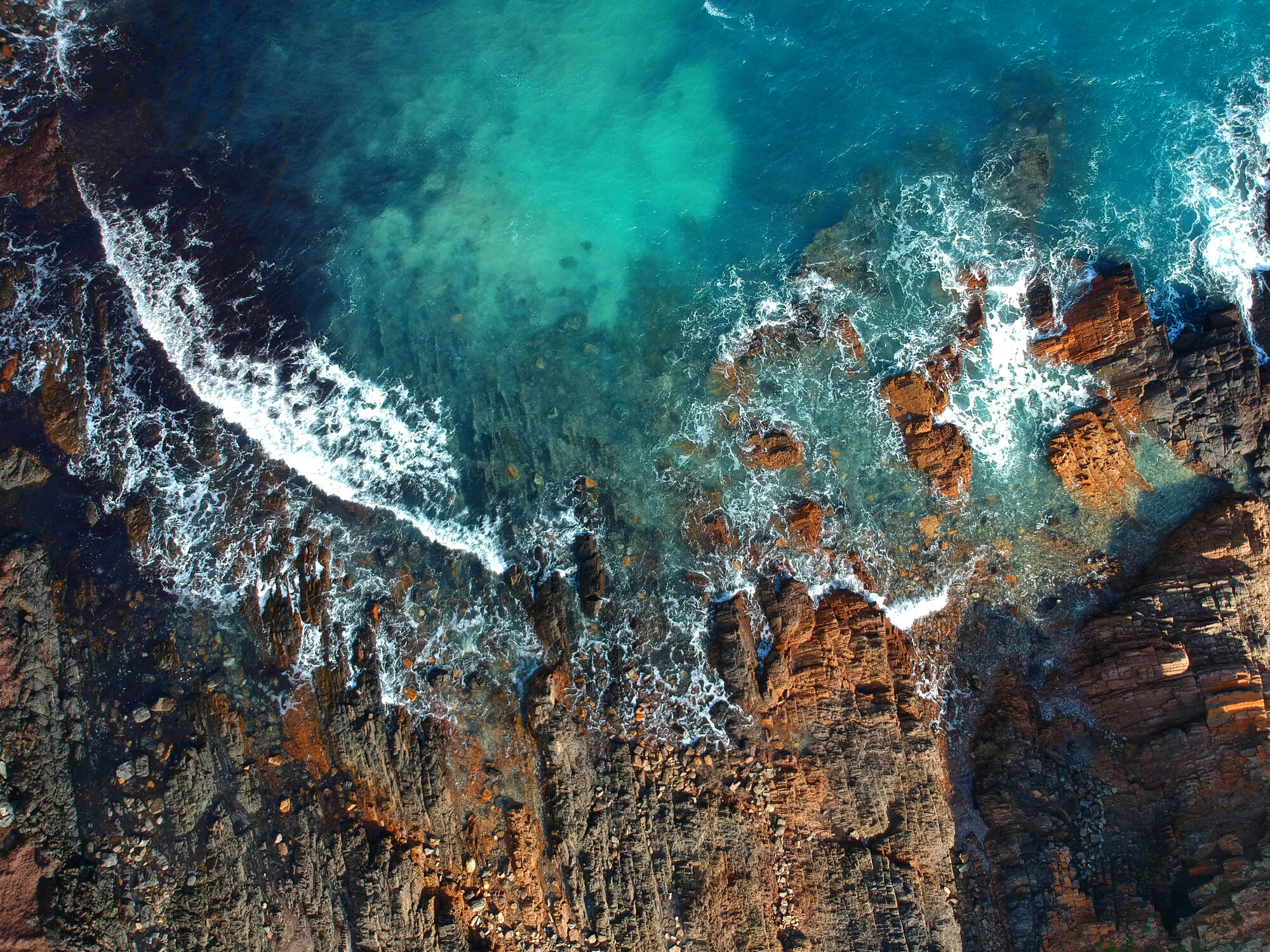
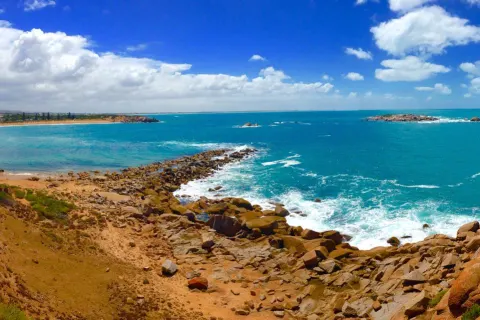
The passage is one of the worst pieces of water on the South Australian coast. The swell from the Southern Ocean funnels through it in every southerly gale. The tidal currents run at three or four knots between the mainland and the island. The wind comes off the Spencer Gulf to the west and the open ocean to the south and meets directly on the cape. In the pre-radar era, any ship heading east from Western Australia or west from Port Phillip had to thread the passage in the dark, often in weather that made the charts almost useless. Through the middle decades of the nineteenth century, ships were being lost on the reefs and beaches around Cape Jervis at a rate of roughly one every few years.
In 1870 the South Australian government finally conceded that the cape needed a lighthouse.
The 1871 tower
The original Cape Jervis Lighthouse was a stone tower with a fixed white light, commissioned in 1871 after a construction effort that had taken most of the previous year. It was built at the tip of the cape on the bluff above the landing place, on the same platform where the modern automated concrete tower now stands. The tower was 15 metres tall. The light was kerosene-fired, later converted to acetylene, and visible for about 15 nautical miles in clear weather. A small stone keeper's cottage was built next to it, and a second cottage was added a few years later when a second keeper was appointed to share the watch.
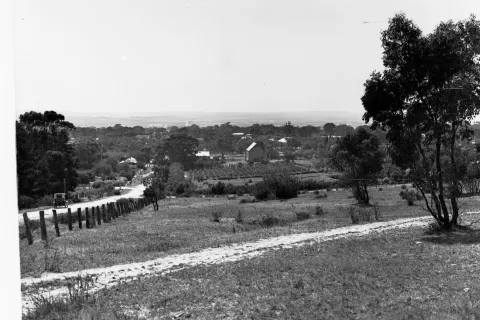
The location was extraordinarily isolated. In 1871 there was no road from Adelaide to Cape Jervis that a loaded wagon could use reliably in winter. Supplies came by coastal ketch, landed at the small cove below the cape-jervis-lighthouse and hauled up the track on a bullock-drawn sledge. Mail came by the same route and could take three weeks to make the round trip. The keepers and their families lived at the cape in a small compound with the lighthouse, two cottages, a vegetable garden, a few chickens, and the sea on three sides.
The families
The keeper logs at Cape Jervis - held now in the State Records of South Australia - read like a long quiet soap opera. A keeper's daughter dies of fever in 1876 and is buried at the small bullaparinga-cemetery a few kilometres inland because the ground at the cape is too rocky to dig. A keeper's wife gives birth in 1889 in the middle of a three-day storm with the nearest doctor 60 kilometres away. A keeper resigns in 1892 after his wife refuses to spend another winter at the station and takes the children back to Adelaide. Another keeper, John Meadows, spends 17 years at the cape with his wife Ellen, raises six children there, and is remembered in the log by his successor as 'the most patient man I have known'.
The Christmas entries are the ones that tell the story. In 1885 the keeper records that the supply ketch did not reach the cape until 29 December because of a week-long south-westerly gale, that the station had run out of flour by the 22nd, and that Christmas dinner was kangaroo shot in the scrub behind the compound. In 1897 a different keeper writes that his three children spent Christmas Day watching the wreck of a small ketch break up on the reef below the cliff, and that he spent it trying to reach the crew with a line without success. In 1903 the entry for 25 December reads simply 'fine, clear, no shipping, all well'. Those were the best days.
The wrecks
The lighthouse reduced the shipwreck rate in Backstairs Passage significantly but did not eliminate it. The keeper logs record the loss of at least eleven named vessels on the rocks around Cape Jervis between 1871 and 1950. Some of the wrecks were visible from the lighthouse gallery and the keepers watched them break up in real time, sending runners down the cliff to see if anyone had made it to shore.
The most famous loss in the cape's lighthouse era was the ketch Wave, wrecked near rapid-bay to the east of the cape in 1893 in a southerly gale. The keeper of the time saw the ship's distress flares from the gallery at midnight, rode a horse eastwards along the clifftop for seven kilometres in the dark, and reached the beach at first light to find three survivors clinging to the foredeck of the half-submerged wreck. A line was rigged from the cliff. All three men were saved. The lighthouse keeper's entry in the log for that day is four lines long and entirely undramatic, which is how most of the keepers wrote about the rescues they were involved in.
The end of the kerosene era
The keepers' life at Cape Jervis ended in 1972. The original stone tower was replaced that year with a modern automated concrete tower built on the same platform, and the last of the keepers - a family who had been there for nine years - packed their belongings and drove out along the bitumen that had finally reached the cape in the 1950s. The keeper's cottages were briefly kept as holiday accommodation and then demolished. A small plaque near the base of the modern tower marks where the stone cottages once stood.
The automated concrete tower that replaced the stone one is still there and still working. It flashes a white light every 7.5 seconds, visible from ships approaching the passage from either direction, and is monitored remotely from Adelaide. Nobody lives at the cape now.
Visiting
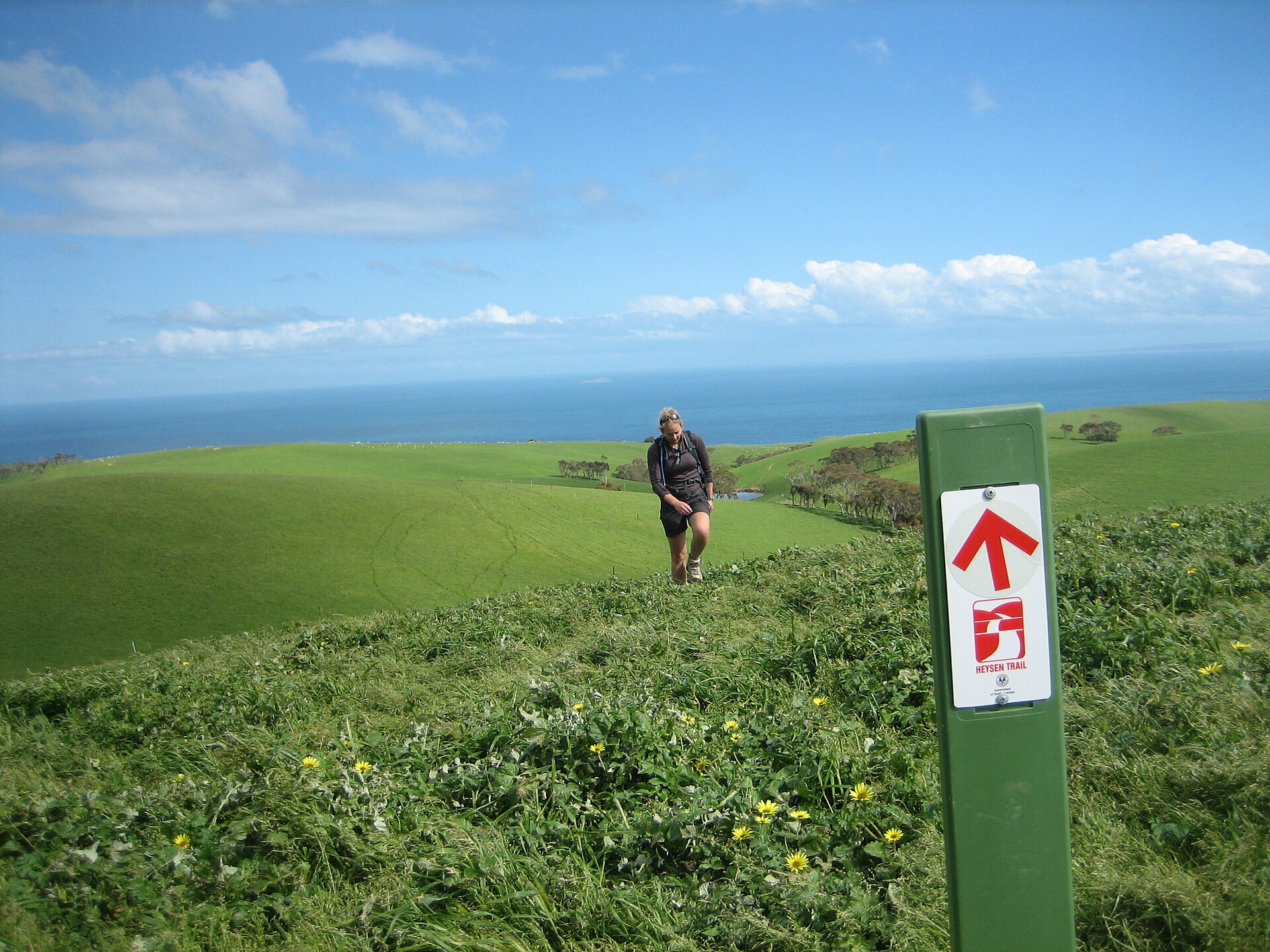
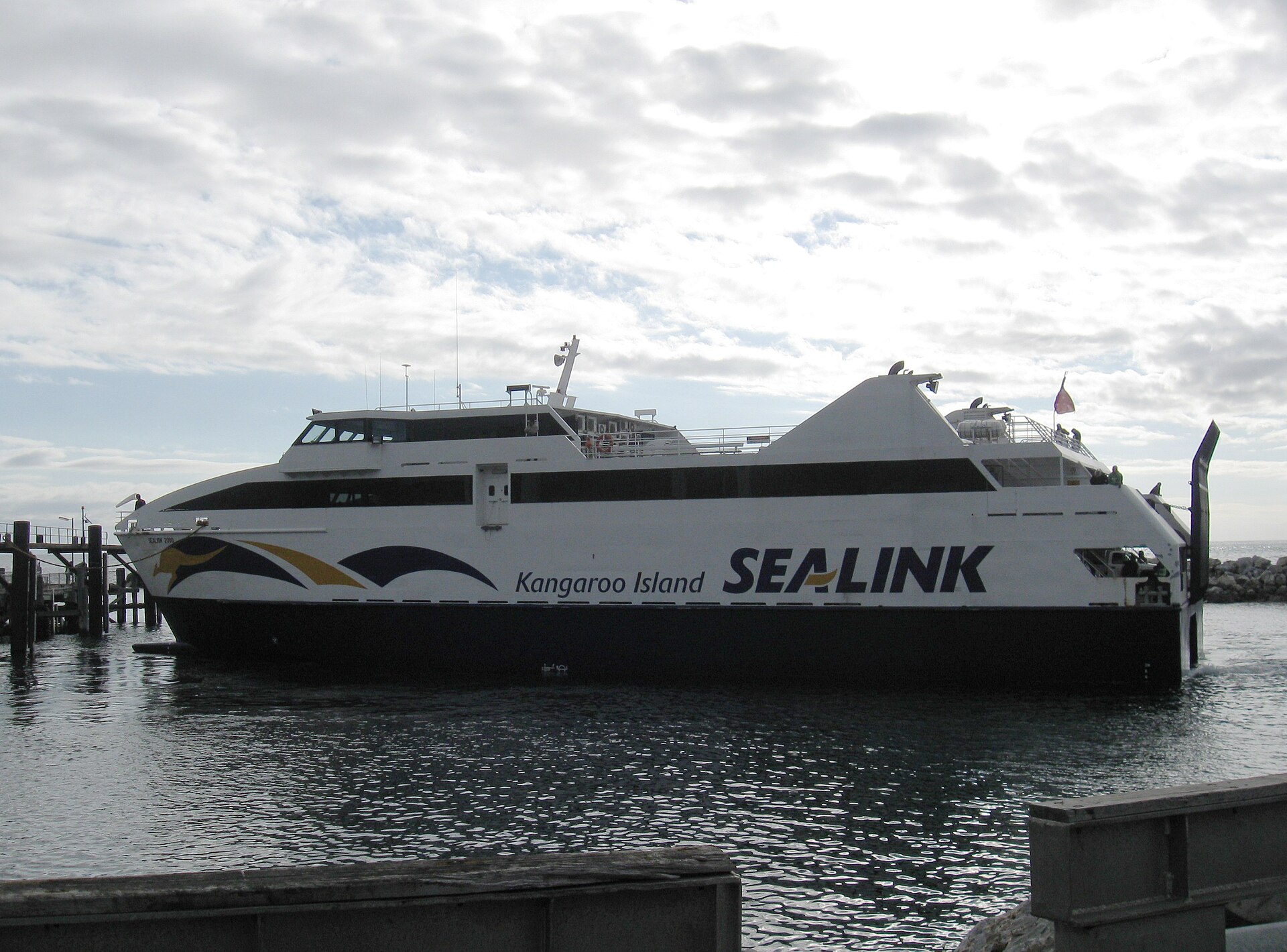
The walk to the modern Cape Jervis Lighthouse starts from the sealink-cape-jervis-ferry-terminal carpark. Follow the clifftop path south for about 400 metres, past the signage for the heysen-trail-cape-jervis-trailhead, to the platform where the tower stands. The path is exposed and the wind on most days is significant. The view from the base of the tower takes in the whole of Backstairs Passage, Kangaroo Island to the south-west, and on a clear day the silhouette of the Pages islands in the middle of the passage.
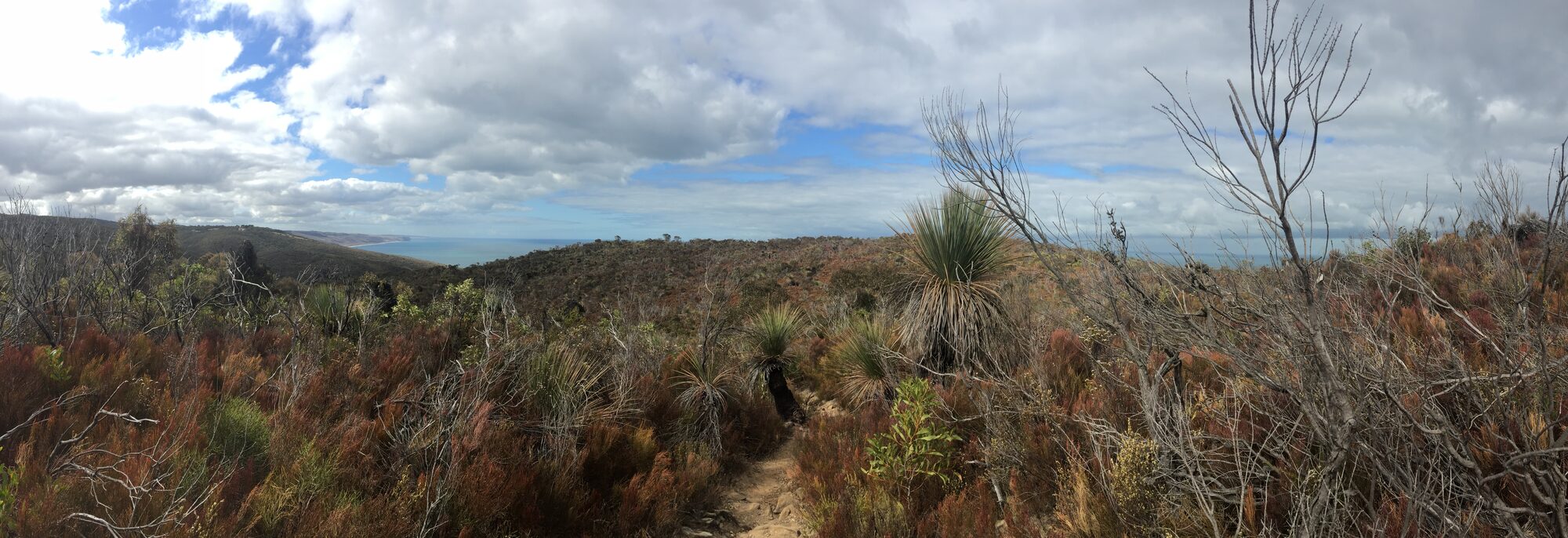
East of the cape, the coast opens into deep-creek-national-park - a 4,500-hectare reserve of coastal heath, eucalypt forest and hidden beaches including blowhole-beach-deep-creek and the quieter coves below the Trig Point lookout. North-east along the same coast, second-valley-beach and rapid-bay are the two main settlements between the cape and Normanville.
The cape-jervis-tavern, 300 metres from the ferry terminal, is the obvious stop for a meal or a beer before or after the walk. The publicans have been there long enough to know the lighthouse stories and, if you ask on a quiet afternoon, will point you toward the delamere-uniting-church and st-james-anglican-church-delamere a few kilometres inland - both small timber and stone buildings that were built in the 1880s and 1890s partly by the lighthouse keepers and their families on their days off.
The bitumen ends at the ferry gate. Beyond that there are only the boats and the passage, which was the whole point of the lighthouse in the first place.