Top 10 historic places on the Fleurieu
From an 1840 slate quarry to a 1908 paddle steamer
Where the history lives
The Fleurieu is one of the most layered historical landscapes in South Australia. The Ngarrindjeri have managed Country across the eastern peninsula for tens of thousands of years. Whalers worked Encounter Bay from 1837. Cornish slate miners settled Willunga in 1840. Murray paddle steamers brought wool down the river to Goolwa in the 1850s. The horse-drawn tramway from Goolwa to Port Elliot opened in 1854 - mainland Australia's first public railway.
Most of that history is still visible. Some of it is in heritage-listed buildings. Some of it is in working museums. Some of it is just in the streets and the names. This is our top ten of the places where you can step into Fleurieu history without having to imagine it.
-
 Strathalbyn
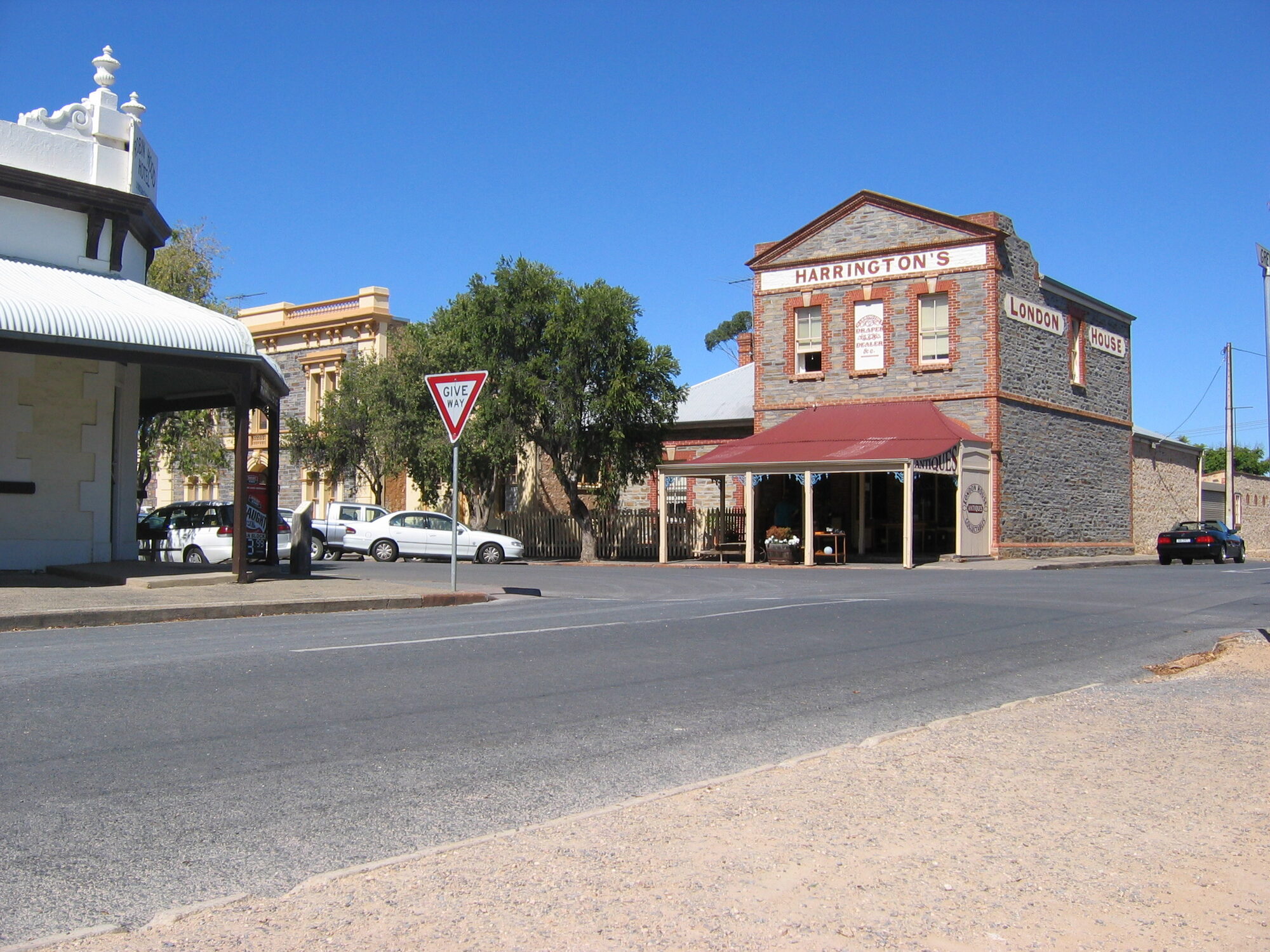
Strathalbyn Historic Town
Settled by Scottish pioneers in 1839 and largely intact - more than 30 buildings on the State Heritage Register. The whole town centre feels like a living 19th-century village.
-
 Goolwa
SteamRanger Cockle Train
A working heritage steam railway running on the original 1854 Goolwa-Port Elliot tramway alignment - mainland Australia's first public railway. Catch the train, do not just look at it.
-
 Willunga
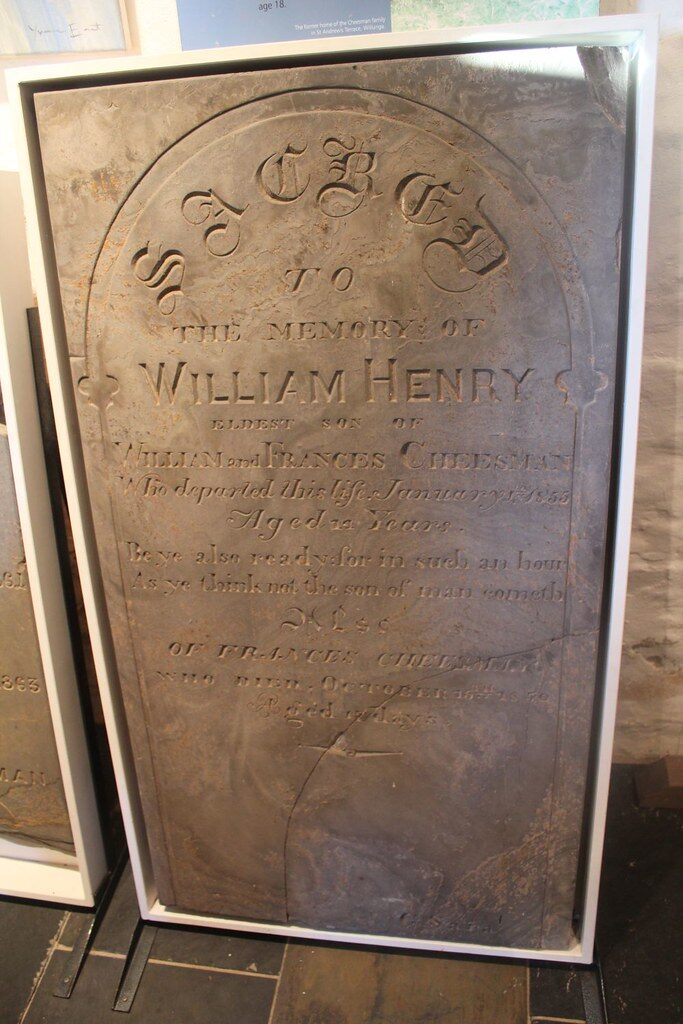
Willunga Slate Museum
Inside the 1855 courthouse and police complex on Willunga's High Street. Tools, photos and ledgers from the Cornish slate quarries that roofed colonial South Australia.
-
 Goolwa
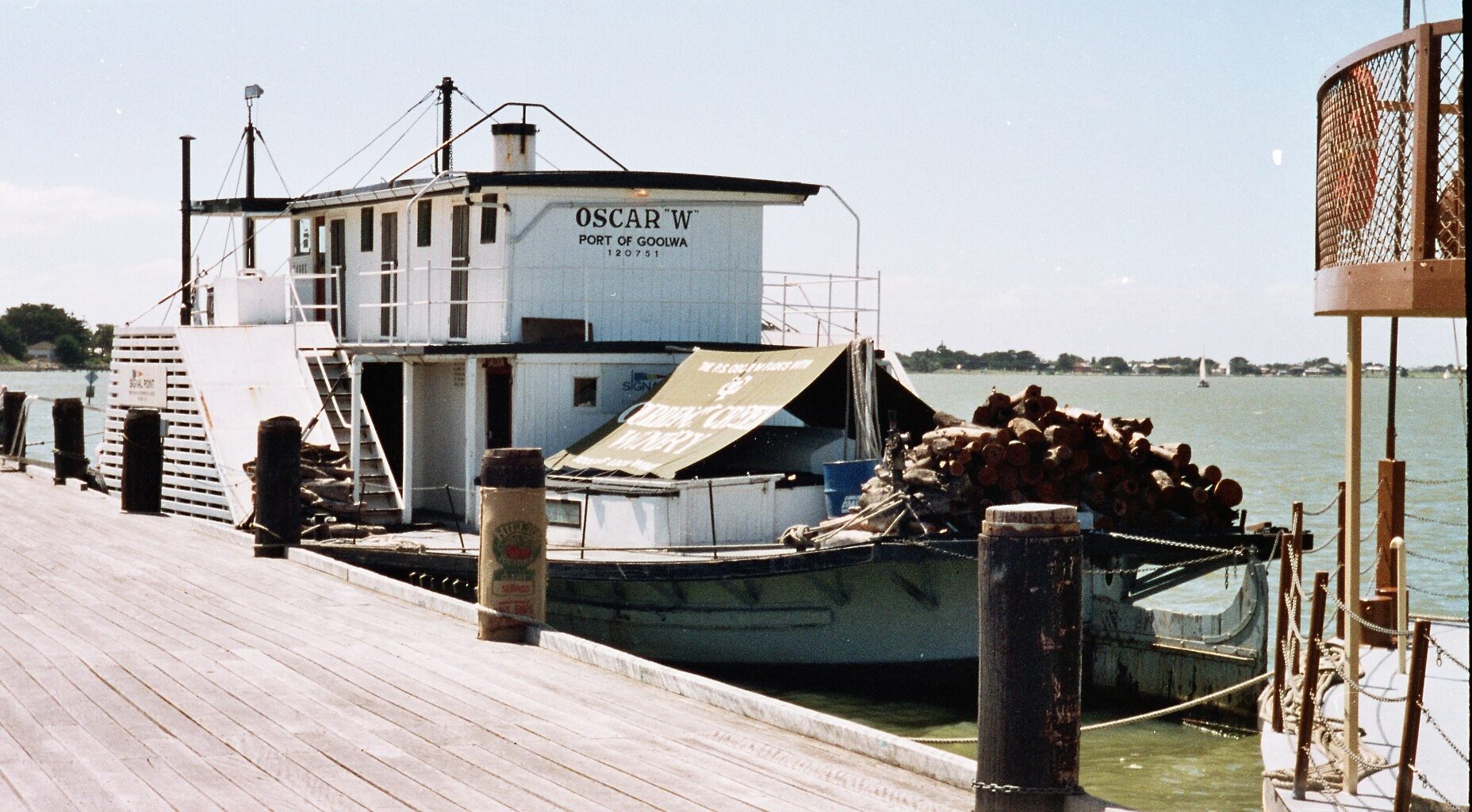
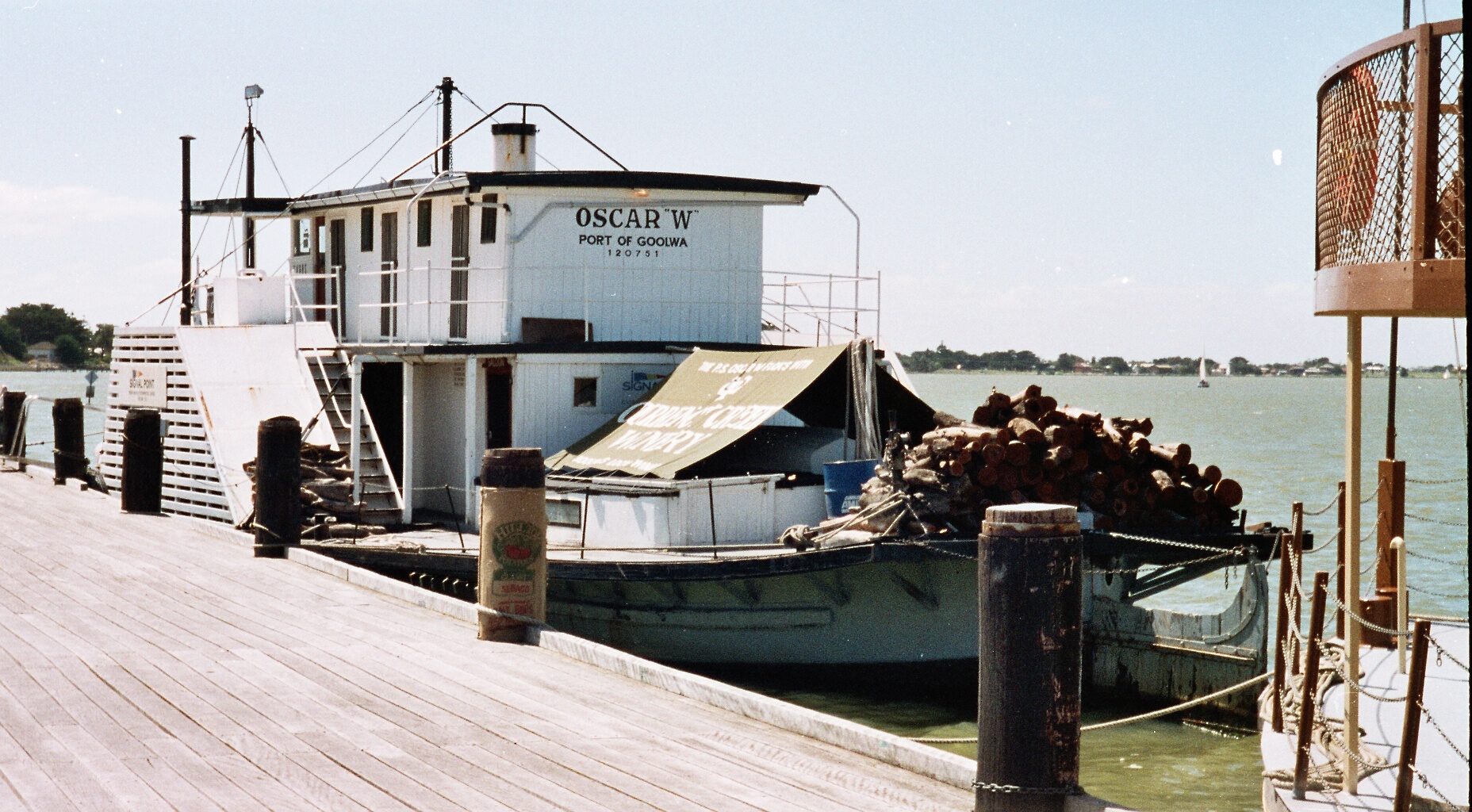
PS Oscar W
A 1908 wood-fired paddle steamer still operating from Goolwa Wharf. One of only a handful of original Murray River paddle steamers still steaming. Cruises run on selected weekends.
-
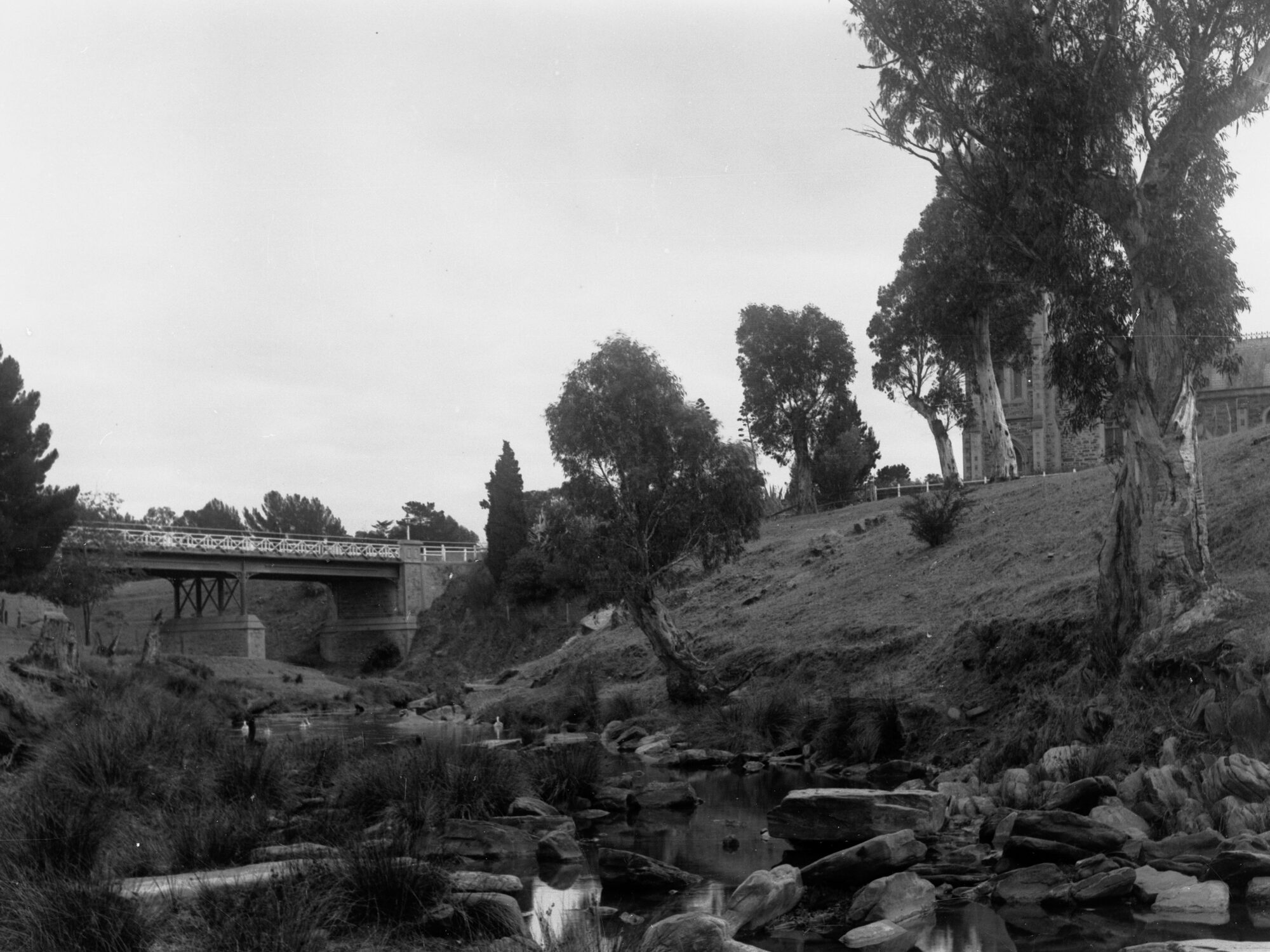
 Strathalbyn
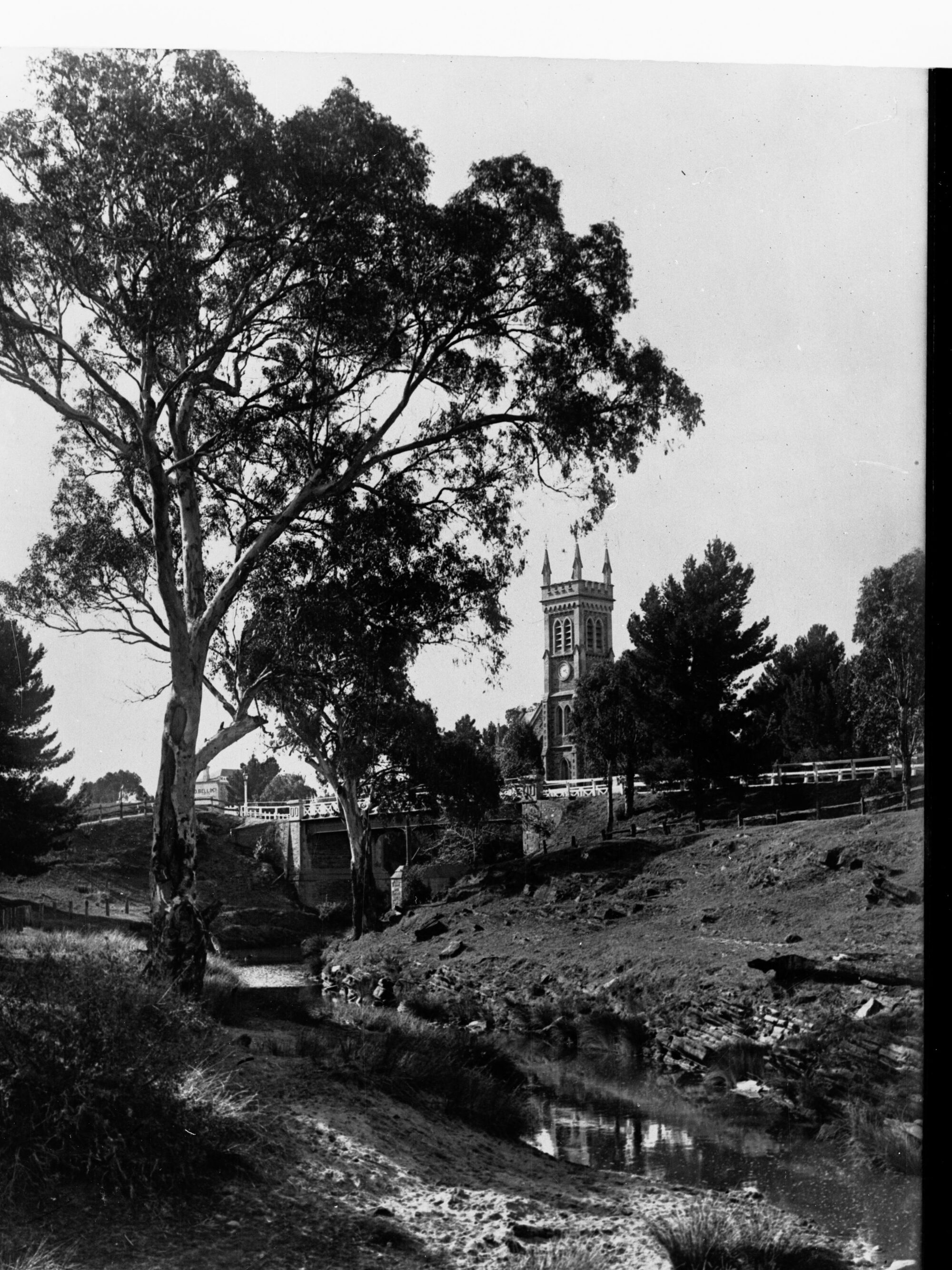
St Andrew's Uniting Church
The 1848 bluestone Presbyterian church on the bank of the Angas River - one of Australia's most photographed churches and the visual signature of Strathalbyn.
-
 McLaren Vale
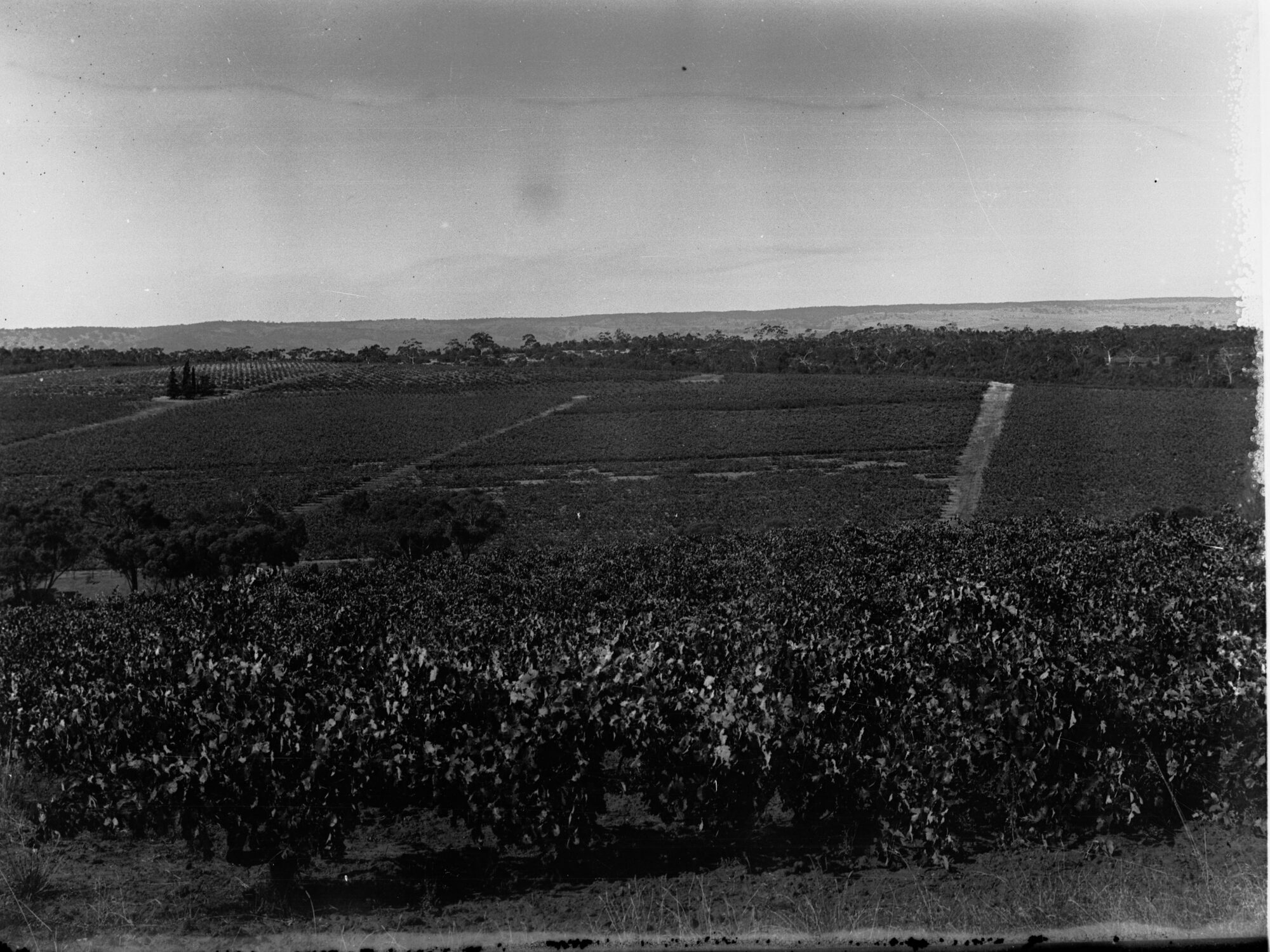
Hardys Tintara
The 1853 winery founded by Thomas Hardy is still working at the heart of McLaren Vale. The original bluestone winery building remains; the cellar door inside it is one of the oldest continuously operating in the country.
-
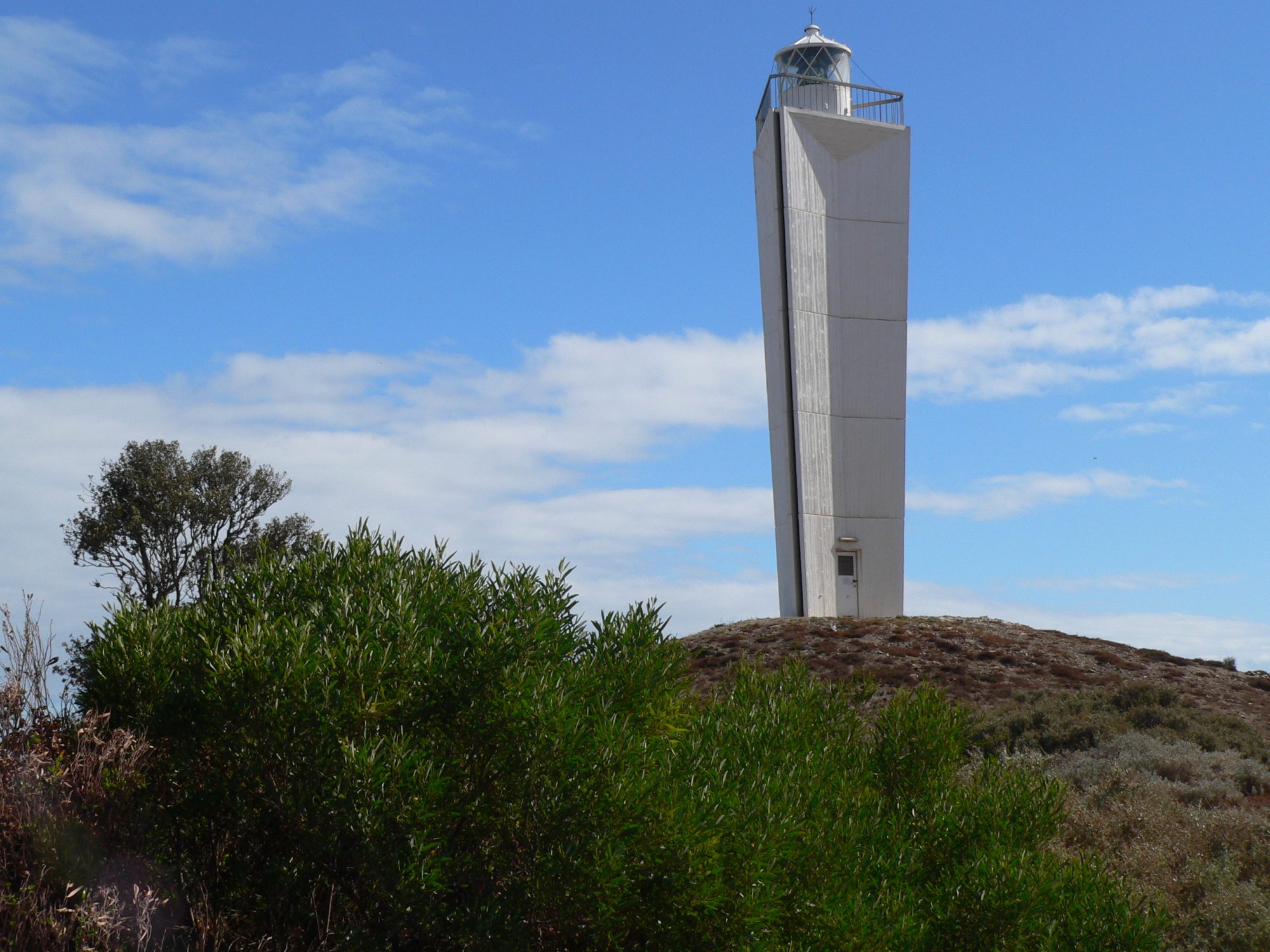 Cape Jervis
Cape Jervis Lighthouse
An 1871 lighthouse at the southern tip of the peninsula, replaced by a modern beacon but still standing on the headland. The southern terminus of the colony's coastal lighting chain.
-
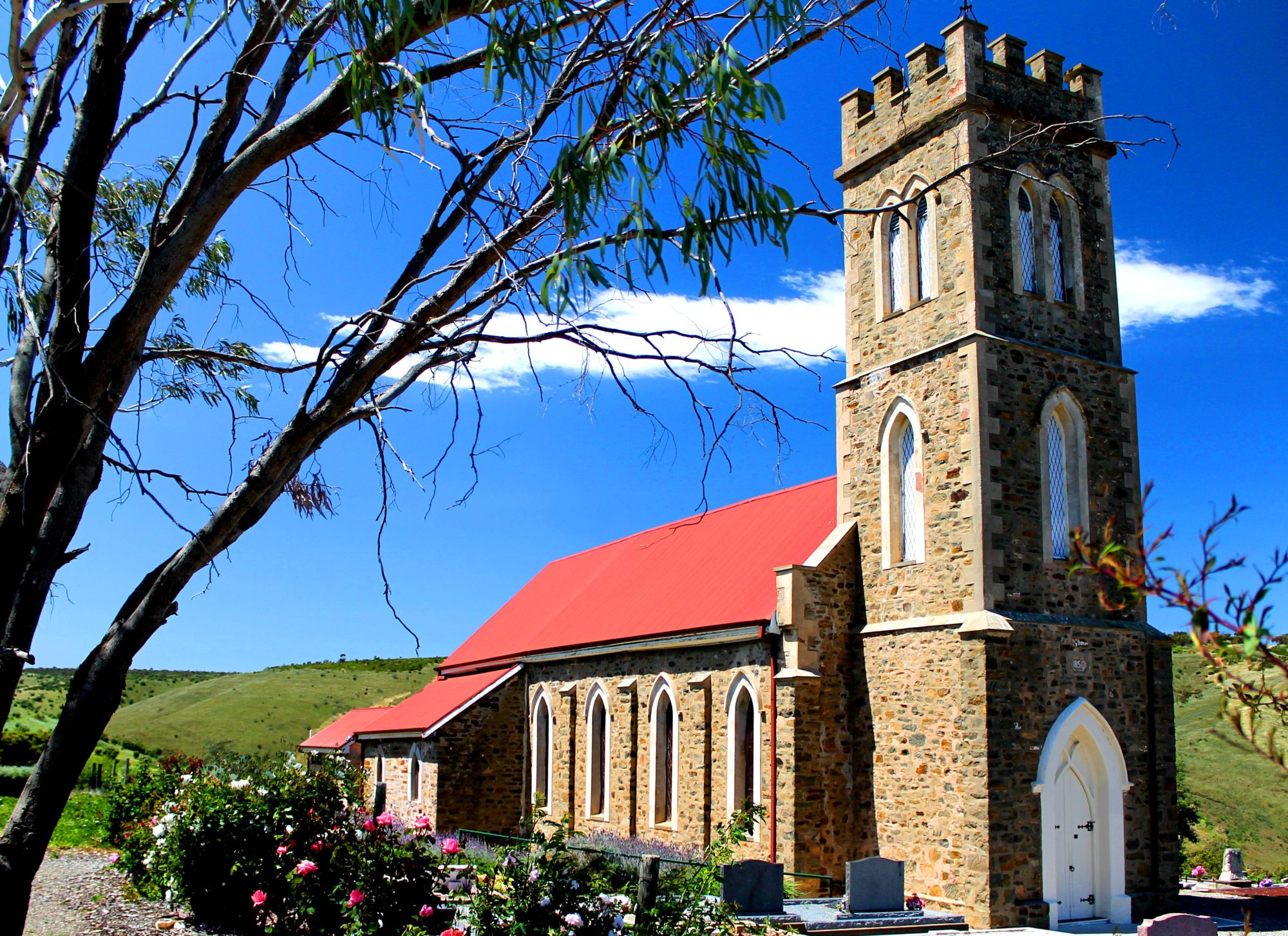 McLaren Vale
Old Noarlunga
A heritage township on a bend of the Onkaparinga River, with an 1840s church, an 1856 hotel and the remains of the colonial port. Gateway to the Onkaparinga River National Park.
-
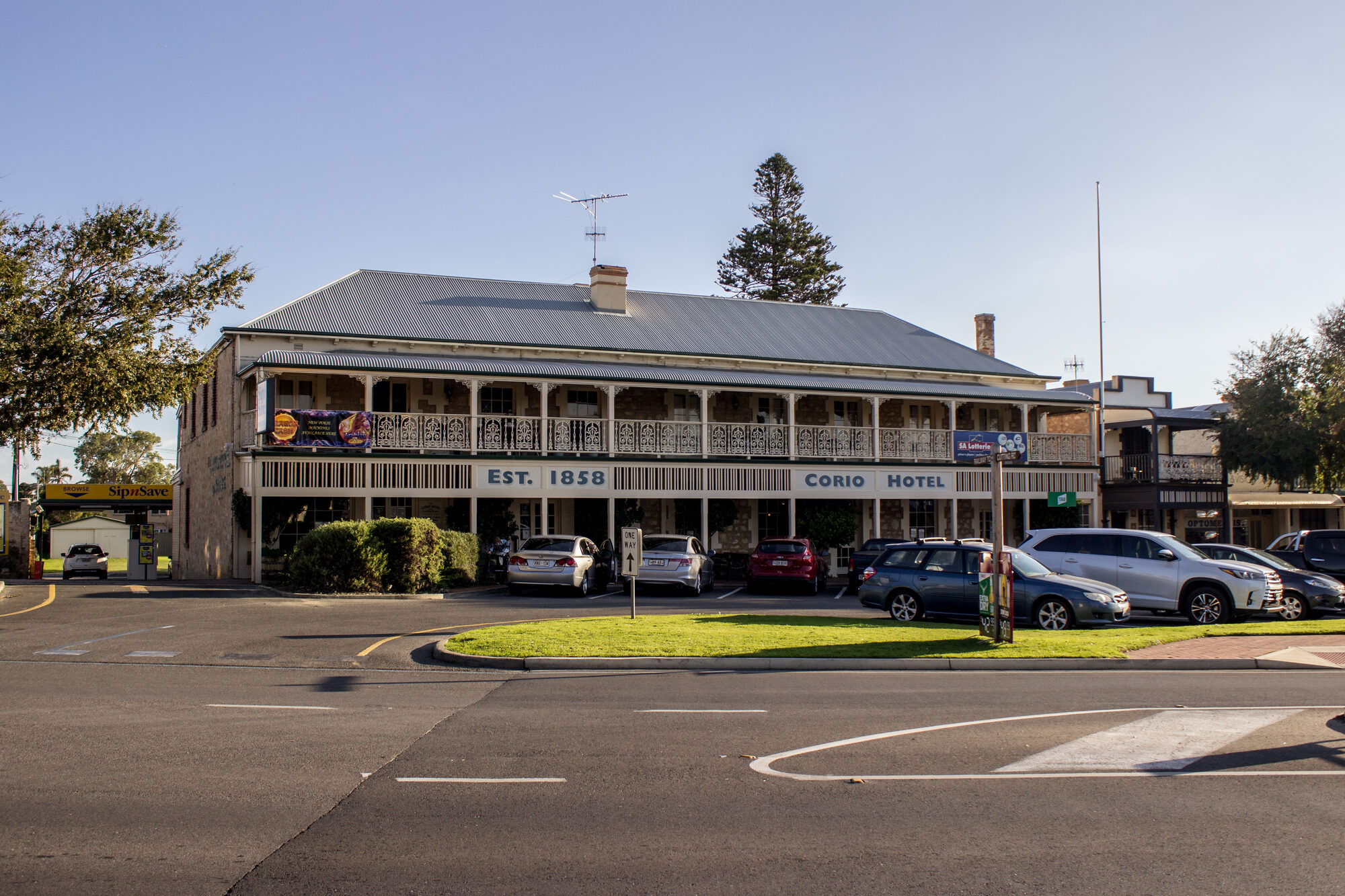 Goolwa
Corio Hotel
An 1857 hotel on Cadell Street, Goolwa, that has been continuously trading for 170 years. Bluestone walls, a wide verandah, and a working pub at the end of the main street.


More like this
 Story
Story
The Tin Pot Tramway: McLaren Vale's forgotten horse railway
For half a century before the first motor truck rolled into McLaren Vale, a horse-drawn tramway ran from the vineyards down to the jetty at Port Willunga. Locals called it the Tin Pot. Its cuttings, sleepers and earthworks are still in the ground under what is now the Coast to Vines Rail Trail.
 Story
Story
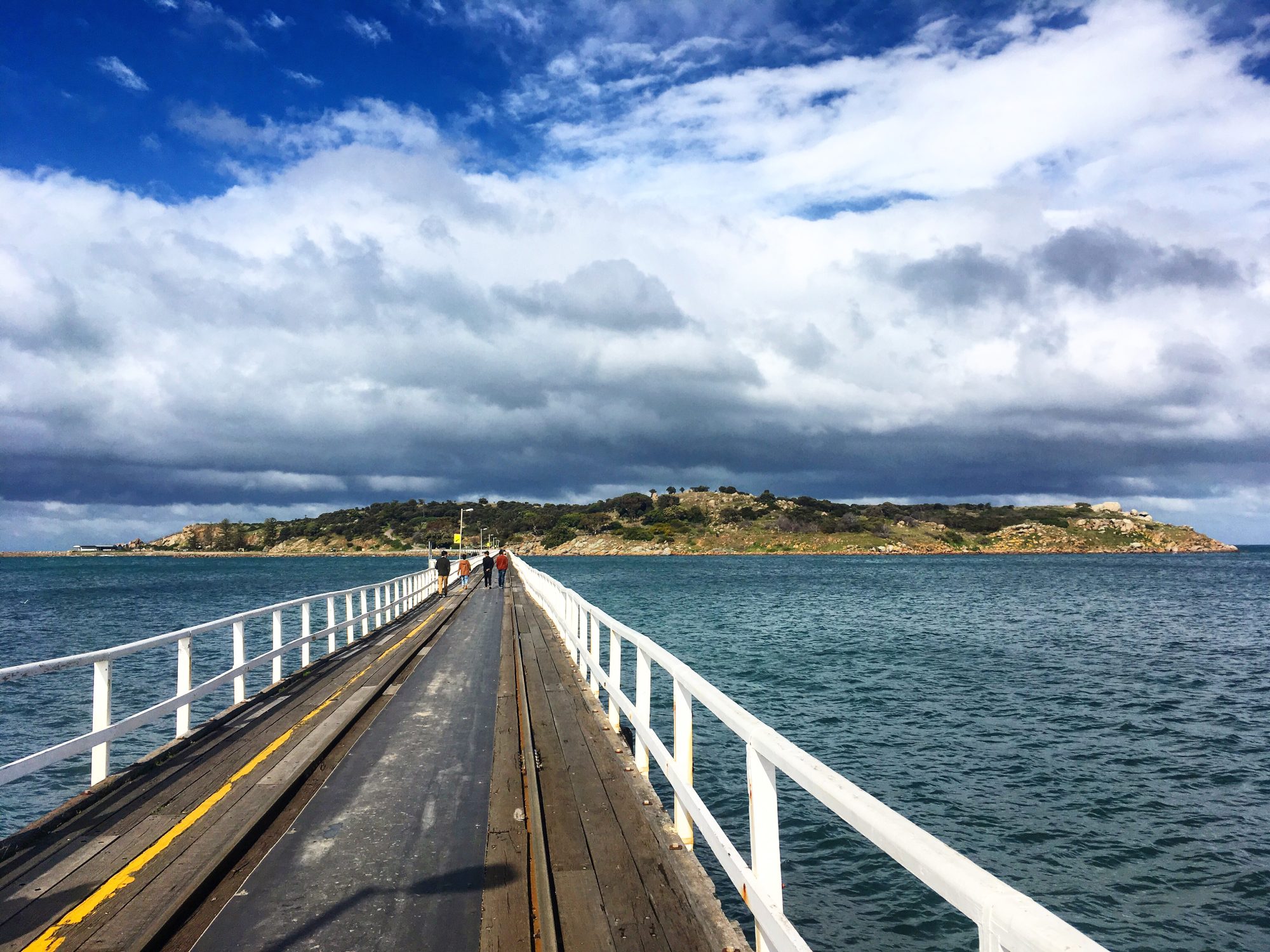
48 hours on the Encounter Coast
The south coast of the Fleurieu - where Flinders met Baudin in 1802 and where southern right whales still return every winter - is a world apart from the wine country. Here is how to do it in two days.
Story
The Cockle Train: Australia's first public railway
The Goolwa to Port Elliot line was opened in 1854 and is the oldest public railway in mainland Australia. Today it runs as the SteamRanger Cockle Train along the Encounter Coast.
 Story
Story
When Goolwa was an inland port
Between the 1850s and the 1890s, Goolwa was one of the busiest ports in colonial South Australia. Paddle steamers brought wool, wheat, copper and timber down the Murray, and a horse-drawn tramway carried it the last few kilometres to the open sea.
 Story
Story
The Cornish slate miners of Willunga
Slate was discovered at Willunga in 1840. For the next eighty years it built the town and roofed half of South Australia. The miners were Cornish, the village they founded was named after a slate town in Cornwall, and the legacy is still visible in the streets today.
Story
The Strathalbyn gold rush nobody remembers
In the winter of 1852, gold was pulled out of a creek near Echunga in quantities that briefly looked like they might make the Mount Barker hills the richest diggings in Australia. Within a year Ballarat had stolen the attention. The Strathalbyn miners' cottages, puddling sites and the bank that held the dust are still there if you know where to look.
Image credits
- Angas River, St Andrew's Bridge and St Andrew's Church, Strathalbyn by State Library of South Australia , Public Domain via Wikimedia Commons