



· 7 min read
It was nearly called Finniss Vale. The story of Second Valley: Colonel Light's landing in 1836, the Leonard brothers' flour mill, and how a one-jetty cove became the most photographed coastline on the Fleurieu.
The second valley
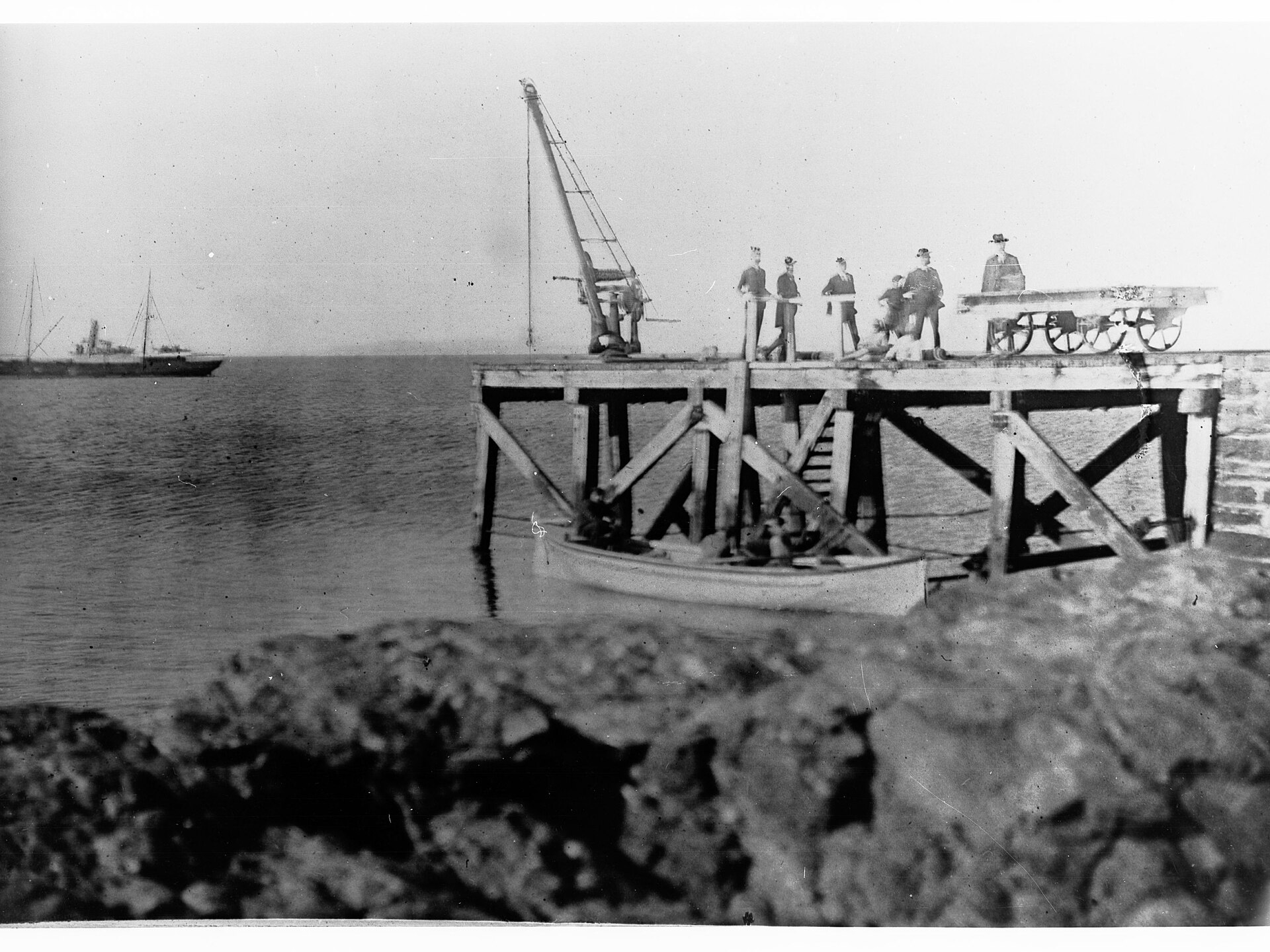
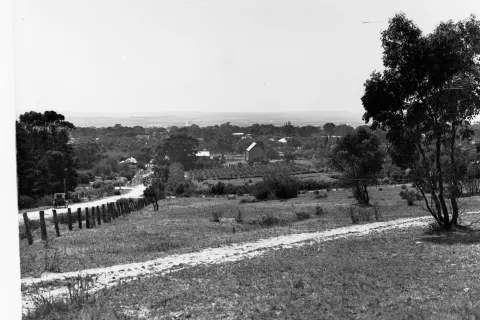
The name is exactly what it says. In September 1836, Colonel William Light - weeks away from choosing the site of Adelaide - was surveying this coast from the brig Rapid. He landed first at the bay he named for his ship, Rapid Bay, then moved up the coast by ship's boat to the next break in the cliffs: the second valley. Light initially named the place Finniss Vale, after Boyle Travers Finniss, his survey officer who farmed here in the colony's first months. The official name came and went; the plain one stuck.
It is worth pausing on that. Of all the coastline in the new colony, this cove was among the first pieces of it that the founders of South Australia stood on and assessed. Light liked it. You will too.
Wheat, flour and the Leonards
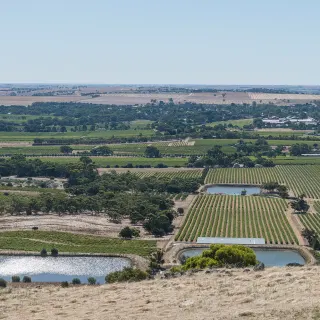
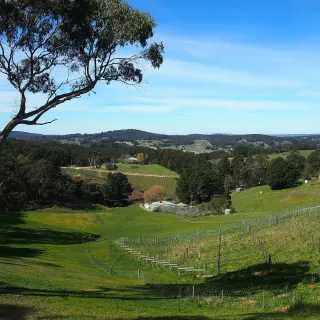
The valley's soils turned out to be some of the best on the peninsula, and by the 1840s settlers were growing wheat and potatoes on the flats behind the cove. A pair of Irish miller brothers, John and James Leonard, built a flour mill beside the creek in the middle of the nineteenth century, and for decades the valley's flour was carted out by sea to Port Adelaide. The milling stopped around 1890, but the building survived, and a long and careful restoration has kept it standing as one of the handsomest industrial relics on this coast. For several years it traded as a destination restaurant; the kitchen has since closed, but the mill remains a striking landmark at the entrance to the valley.
The cove and the jetty
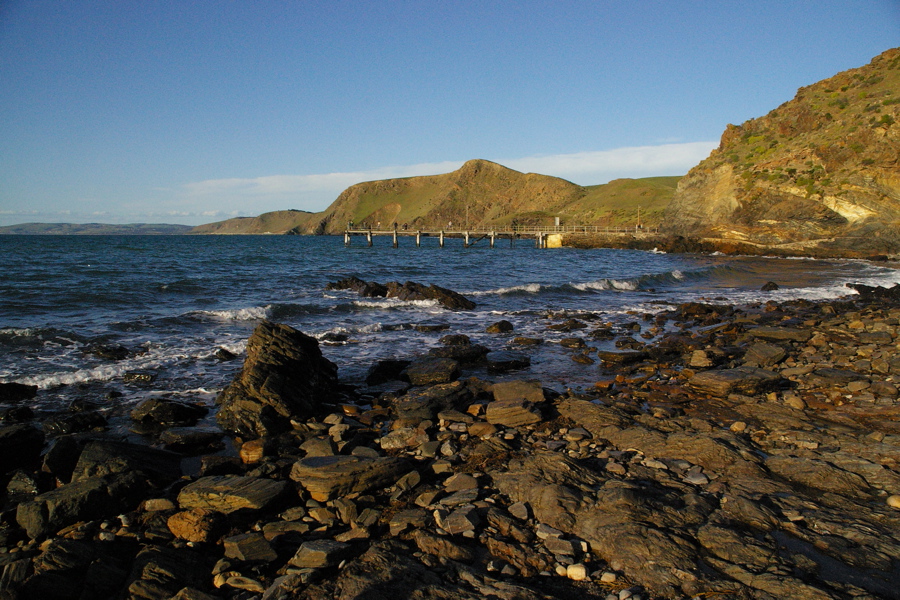
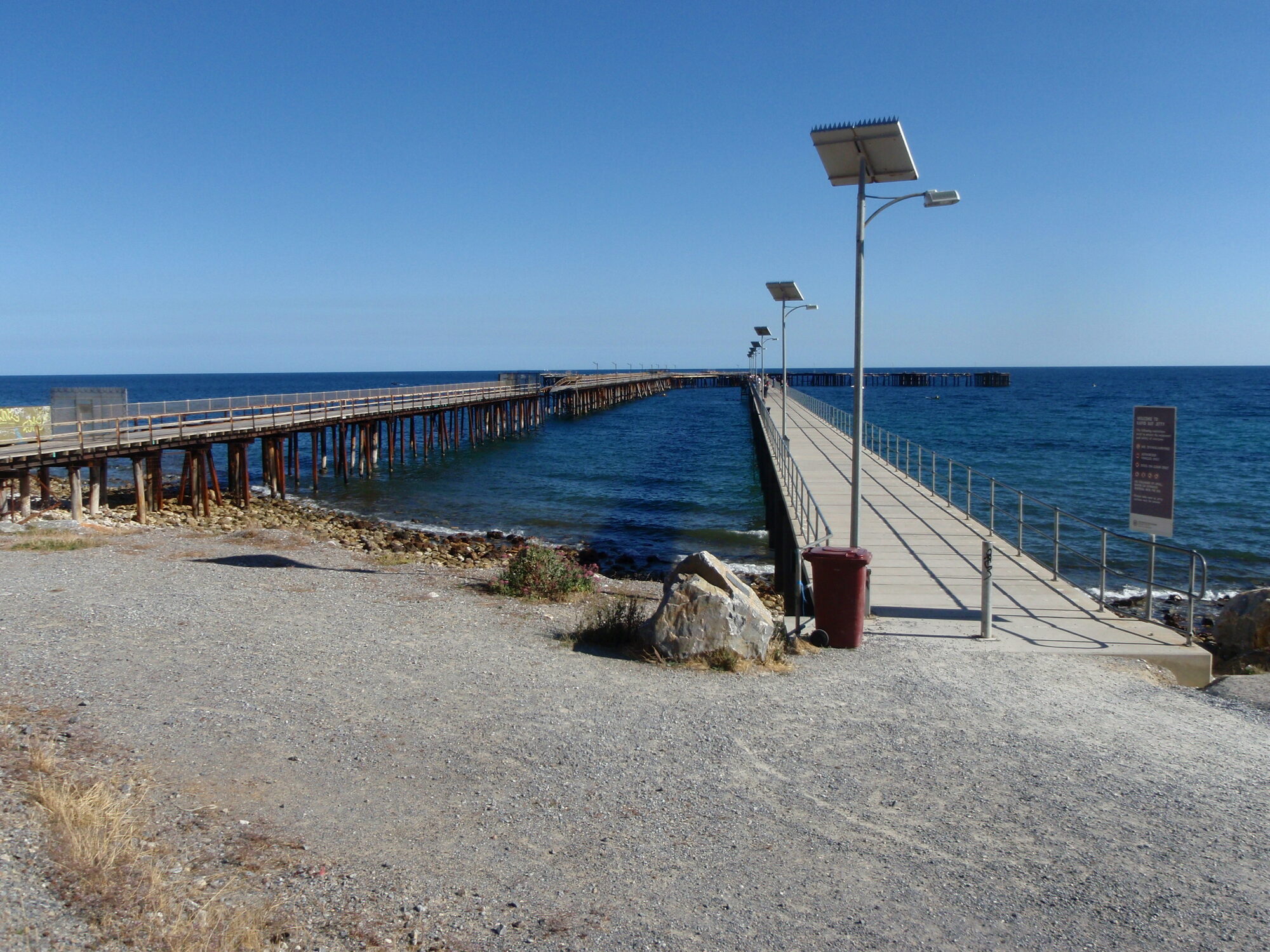
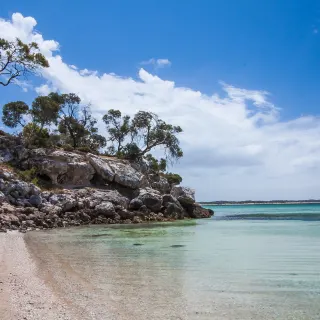
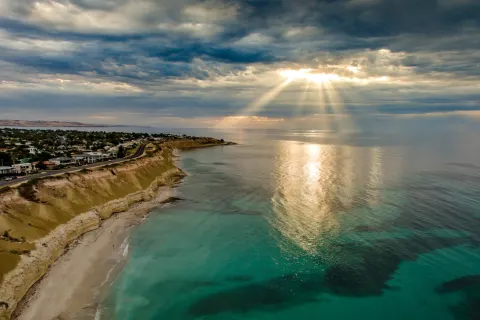
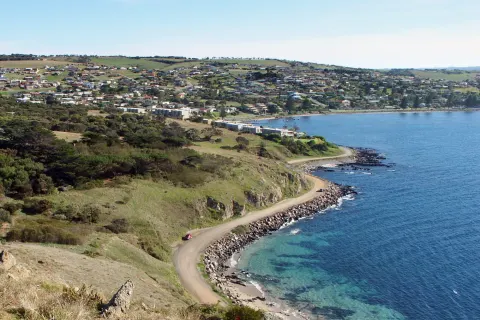
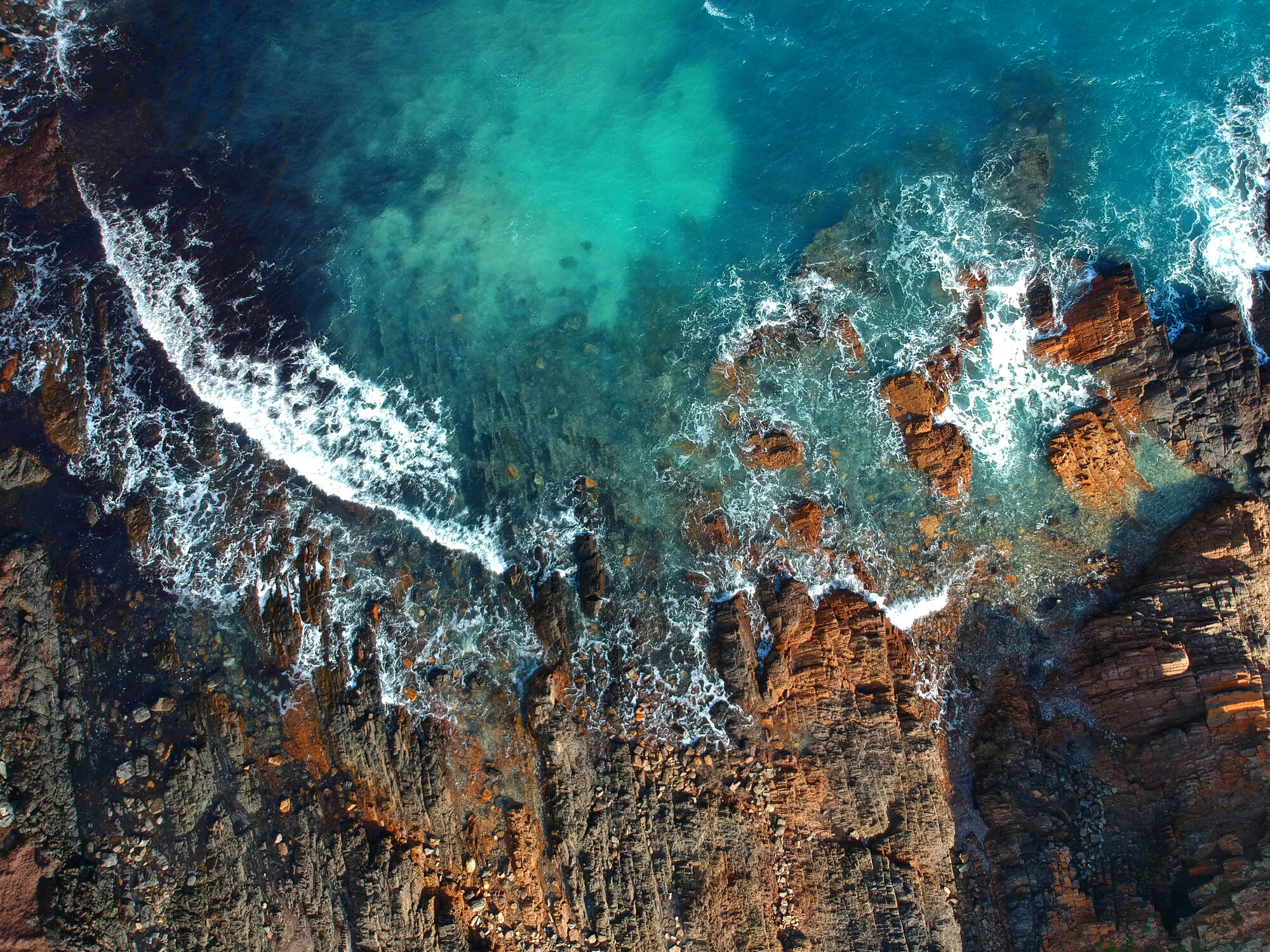
The beach itself is tiny - a pocket of sand and pebbles hemmed in by some of the most dramatically folded rock strata in South Australia. The cliffs at Second Valley Beach bend and buckle like wet cardboard, which is why photographers have effectively adopted the place. The curved timber Second Valley Jetty - rebuilt and repaired many times since the valley's shipping days - is the other half of every photograph, and on summer evenings it functions as the village's town square: kids jumping, squid boats unloading, everyone else just sitting.
Under the surface is the third act. The reefs and ledges south of the jetty are one of the state's favourite shore-snorkelling sites, and the Second Valley Snorkel Site is a genuine chance to see a leafy seadragon - South Australia's official marine emblem - without a boat or a dive ticket. The water is cold and the swell matters; pick a calm day.
Doing it properly
Second Valley rewards the unhurried. Coffee and a toastie from the Jetty Store Cafe, a swim or a snorkel, a clifftop wander, lunch at the mill if you have booked ahead. If you want to stitch the cove into a bigger half-day with Rapid Bay's jetty and caves, our Second Valley to Rapid Bay guide lays out the route, the parking and the order to do it in.
One hundred and ninety years after Light's boat nosed into the cove, the assessment holds. First impressions were right about the second valley.