· 7 min read
If McLaren Vale Shiraz tastes like nowhere else in Australia, it is because nowhere else has its specific accident of geography. A short history of why this small region punches so far above its weight.
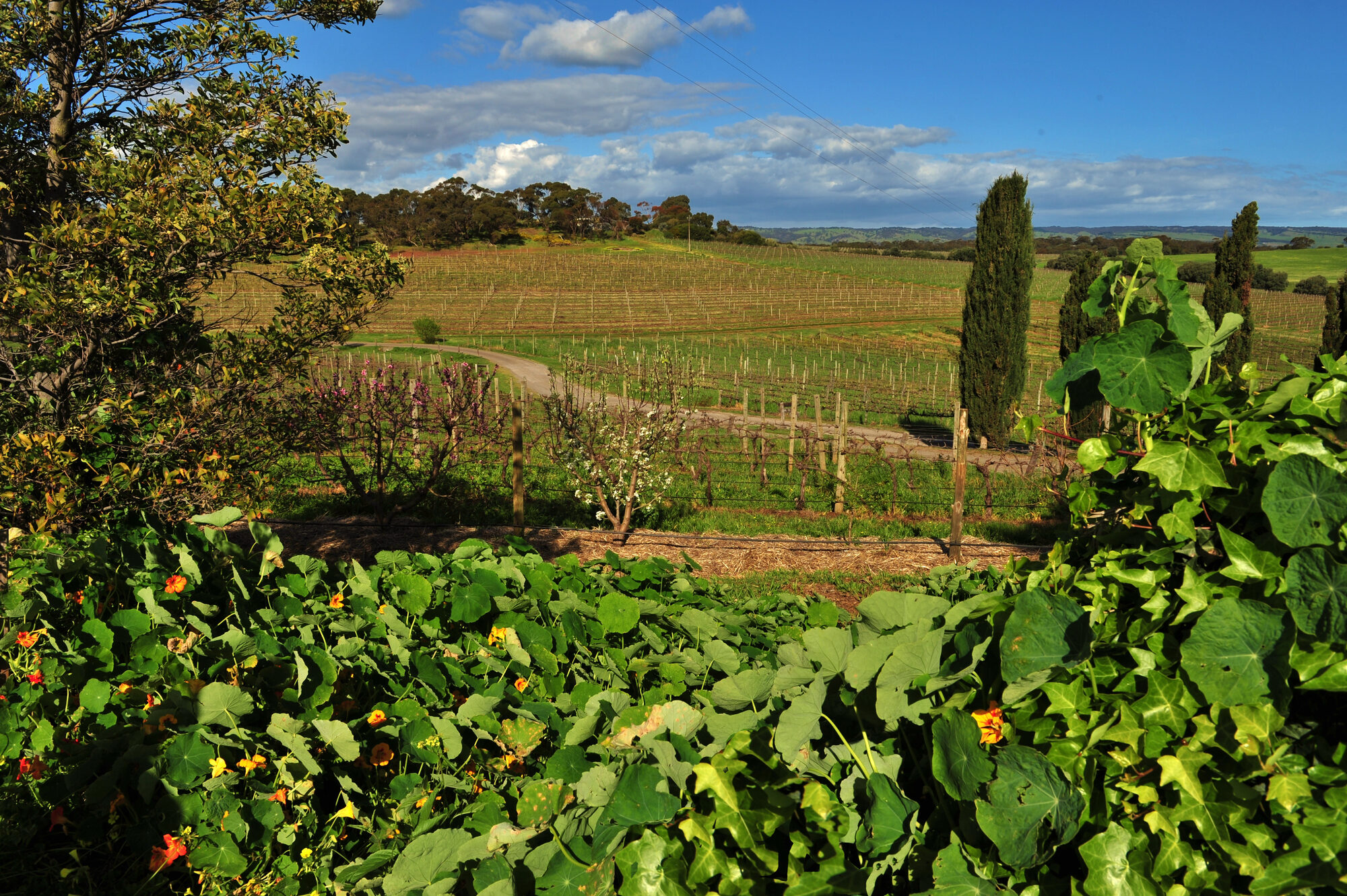
Pull the cork on a bottle of McLaren Vale Shiraz and you are tasting the result of three things working together for nearly two hundred years: a particular geography, a Mediterranean climate, and a long line of stubborn families who decided this was where they would plant.
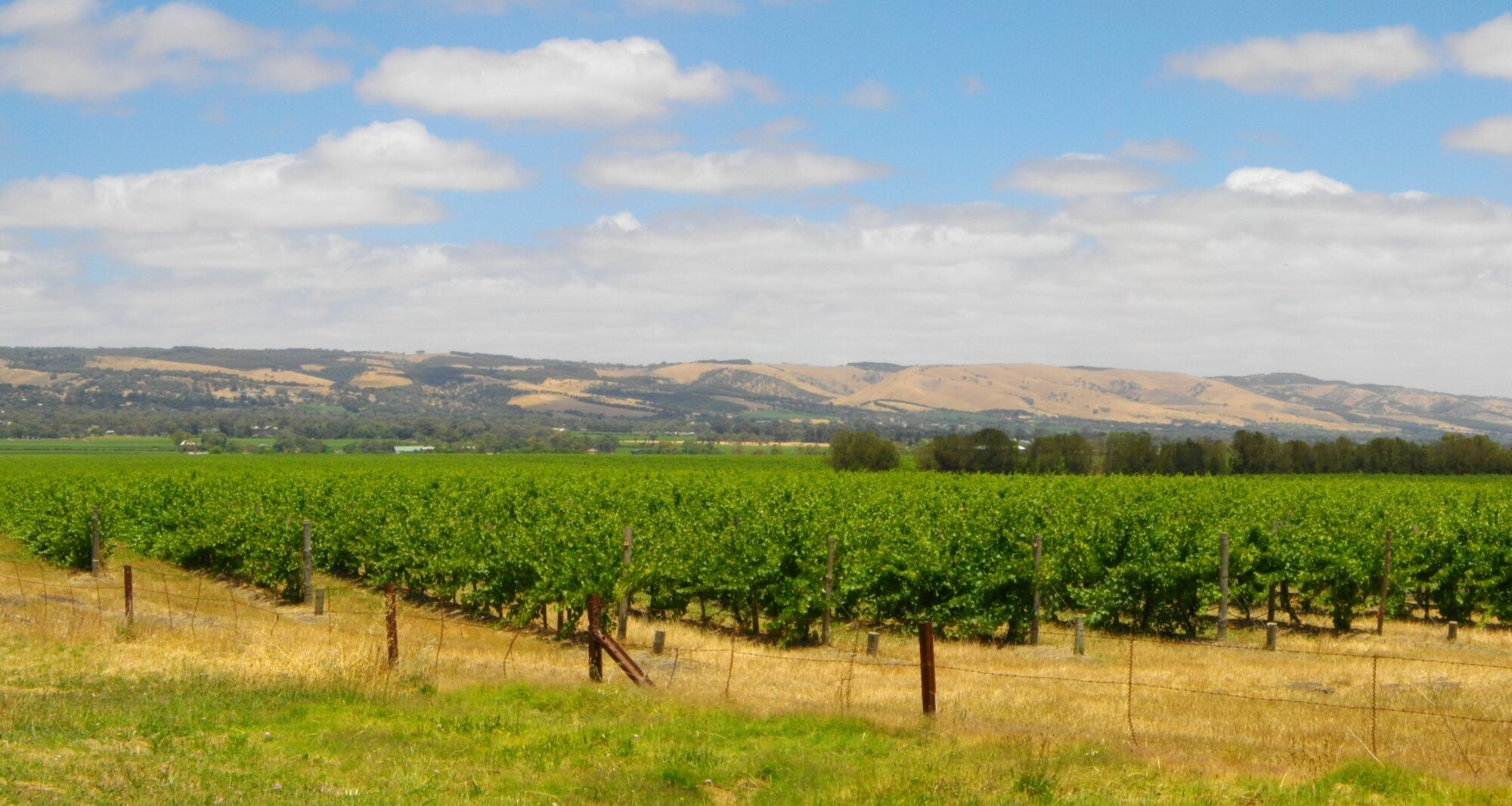
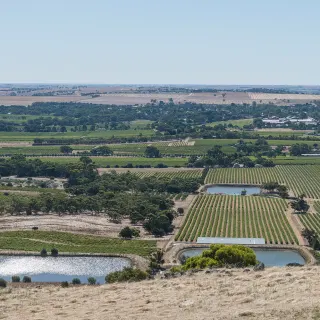
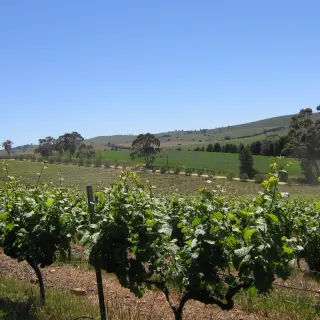
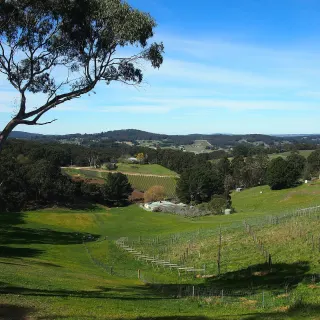
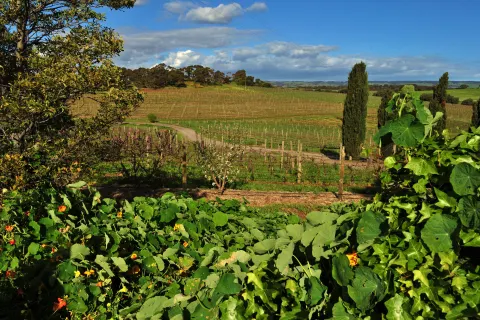
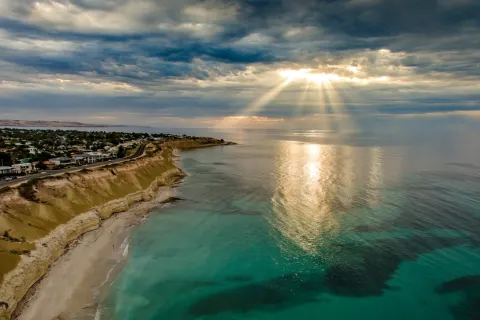
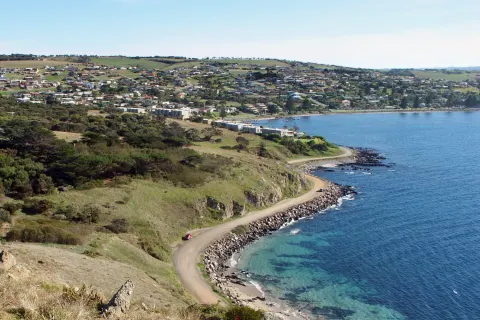
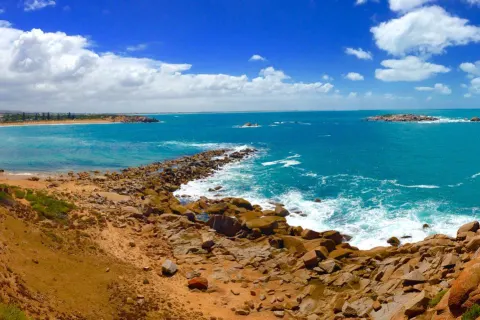
The geography came first. McLaren Vale sits 35-40 kilometres south of Adelaide, with the Mount Lofty Ranges to the east and Gulf St Vincent to the west. From a winegrowing point of view, almost everything that matters here is shaped by the gulf. The afternoon sea breeze - locals call it the Gully wind - pushes inland from late morning every summer day, dragging cool air across the vineyards and slowing the ripening just enough to keep the wines bright. Grapes that would race past their best in the inland valleys take their time here. Acid stays up. Tannins stay supple. The wines keep their fruit.
The Scarce Earth
Underneath the vines is one of the most varied small-region soil maps in Australia. The McLaren Vale Grape Wine and Tourism Association's Scarce Earth project, led by geologist Dr Philip White, identified more than forty distinct soil types across the GI - from the ancient Maslin Sands of Blewitt Springs (which produce some of the most aromatic, perfumed Grenache in the country) to the terra rossa over limestone of the central vale, to the heavy black cracking clays of the eastern foothills. Drive ten minutes in any direction and the dirt under your boots is a different colour.
This matters because Shiraz is a chameleon - it takes on the character of the ground it grows in. A McLaren Vale Shiraz from a sandy site is perfumed, lifted, almost feminine. A Shiraz from one of the heavier limestone sites is dense, structured, built for ten years in a cellar. The same producer, making wine the same way, can put two completely different wines on the table from blocks two kilometres apart.
The founders
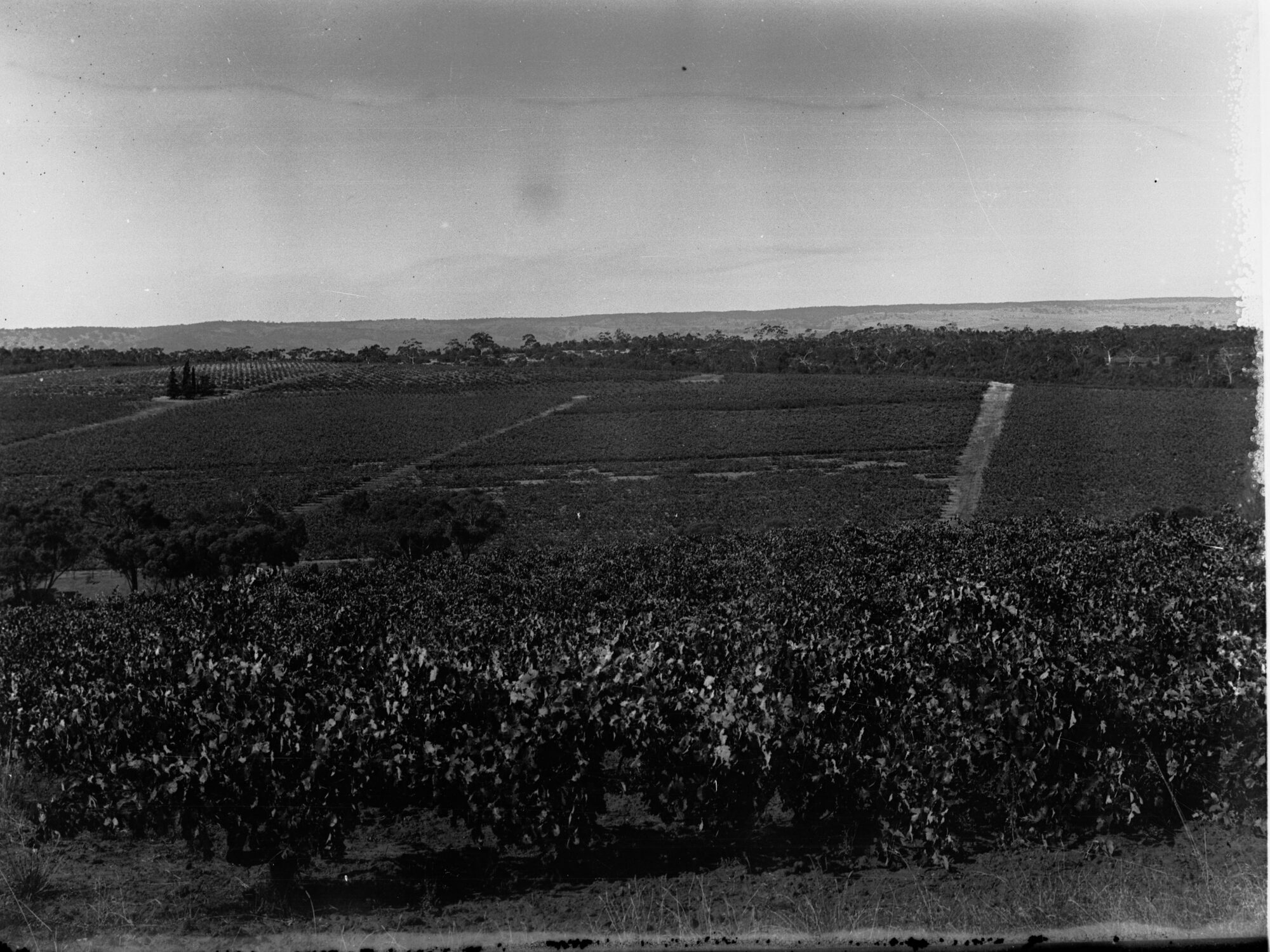
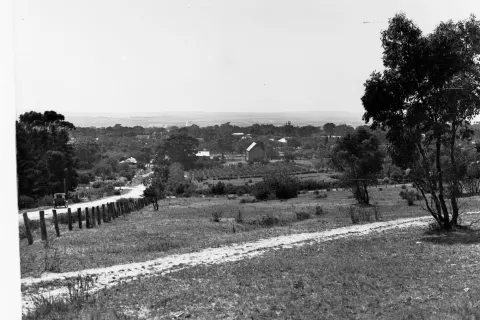
The first vines went in at Reynella in 1838 - John Reynell planting cuttings he had carried from the Cape of Good Hope. By the 1850s the region had a real wine industry. Hardys Tintara dates from 1853, founded by Thomas Hardy who had arrived in South Australia at fourteen. Wirra Wirra's first vines went in at the original McLaren Vale Vineyard in 1894. By the early twentieth century d'Arenberg had joined them (1912), followed eventually by the small old-vine plantings at Kay Brothers, where Block 6 - planted in 1892 - is still producing Shiraz today and is on the Old Vine Charter.
These long memories matter. A vine planted in 1892 has roots six metres deep into the soil profile, drawing on water and minerals that newer plantings cannot reach. The wines they make are not necessarily "better", but they are unambiguously different - more concentrated, more textured, more themselves.
The climate, the GI, and what it all means
The McLaren Vale Geographical Indication was registered in 1997 - a legal definition of where the region begins and ends and which producers can put the name on a label. The boundary roughly follows the foothills of the Mount Lofty Ranges to the east, the Onkaparinga River to the north, the gulf to the west and the Sellicks Hill ridge to the south. Inside that boundary the climate is consistent enough to call it a single region, and varied enough to produce wines of real character within it.
The numbers are mild. Mean January temperature around 21 degrees. Annual rainfall around 580mm, almost all of it falling in winter and early spring. Vintage runs from late February to early April for Shiraz, depending on the season. None of that is extreme. The trick is what the geography does with it.
So what does it taste like?
Classic McLaren Vale Shiraz is full-bodied, rich and ripe but never jammy - the maritime cooling keeps it in check. The fruit profile leans toward dark plum, blackberry and a particular note of dark chocolate that is one of the region's signatures. There is structure under the fruit, often a little white pepper from the cooler sites, and a finish that holds.
At d'Arenberg, Wirra Wirra, S.C. Pannell, Bekkers, Bondar and any number of smaller cellar doors, you can taste it for yourself across a single afternoon. The wines are different, but you will find the family resemblance - that combination of richness, precision and freshness that is McLaren Vale and nowhere else.