· 6 min read
Between 1837 and the 1860s, two rival whaling stations operated from the Bluff at Victor Harbor. They hunted the southern right whale to local extinction in less than three decades. The whales are only now beginning to return.
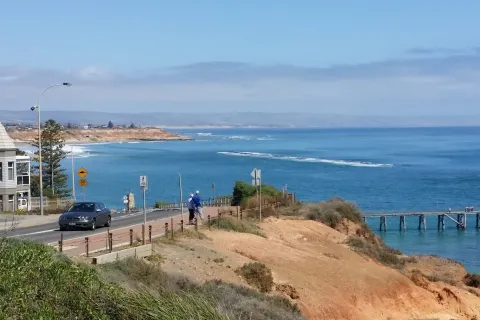
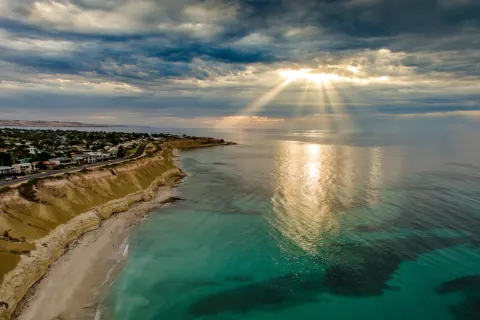
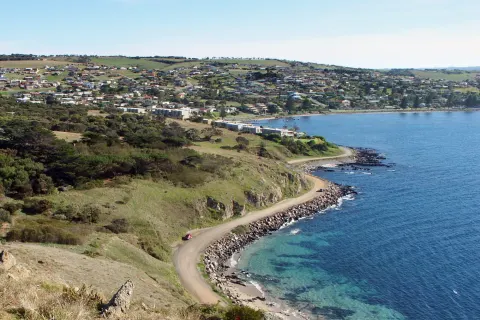
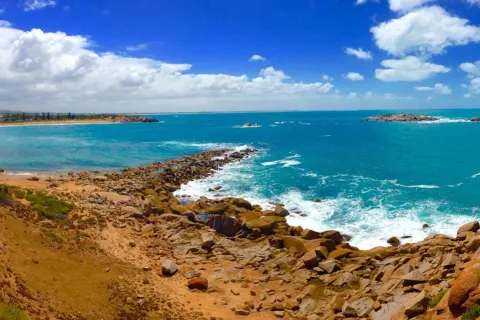
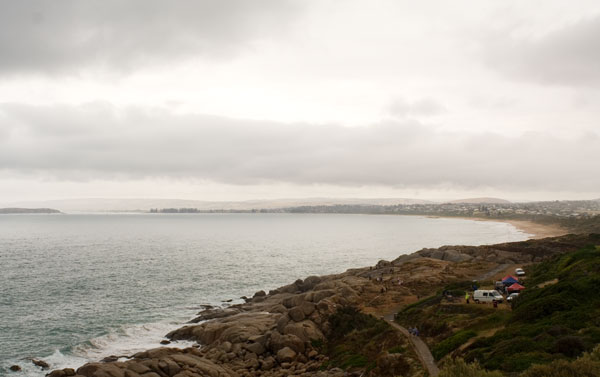
Stand on the summit of Rosetta Head - The Bluff - on a winter morning and look out over Encounter Bay. The water below is calm. There is rarely much in it now. But for nearly thirty years between 1837 and the 1860s, the bay was one of the busiest whaling grounds in colonial Australia, and the granite headland you are standing on was the lookout post.
The first season
In 1837, the South Australian Company - the chartered organisation that had just brought the first colonists to the new province - established a shore-based whaling station at Encounter Bay. The site was Rosetta Harbour, a small cove tucked into the western side of The Bluff. The same year, a rival operation set up nearby for the Adelaide-based Fishery Company. The two stations would compete with each other for almost the entire life of the Encounter Bay industry.
The target was the southern right whale - Eubalaena australis - so named because it was the "right" whale to kill. Slow, gentle, full of oil, prone to floating after death. It came into shallow bays to calve. Female whales with calves made the easiest targets in the world for men with hand-thrown harpoons.
The operation was straightforward. Spotters on top of The Bluff watched for the spouts of whales entering the bay. When a whale was sighted, the lookouts signalled the boat crews waiting on the beach below, who launched and rowed out hard. The whale was harpooned, exhausted by towing the boat for hours, and then killed with a long lance. The carcass was towed back to a try-pot on the beach where the blubber was rendered into oil.
In its peak years, 1837 to 1841, the Encounter Bay stations took dozens of whales each season. By the time the bay was hunted out the total kill was probably in the hundreds.
Captain John Hart
One of the more interesting figures in the early years was Captain John Hart, who managed the Encounter Bay fishery operations in the late 1830s. Hart was an experienced whaler who had previously hunted in the Pacific and the Bass Strait. He went on, in classic colonial fashion, from running a whaling station to running the colony - he served three separate terms as Premier of South Australia between 1865 and 1871.
The Ramindjeri
The Encounter Bay area is the traditional Country of the Ramindjeri people, a clan of the larger Ngarrindjeri nation. The arrival of the whaling stations was disruptive and violent. Some Ramindjeri men were employed in the whaling crews, both for their knowledge of the coast and for the speed with which they could pull a boat. The relationship between the whalers and the Ramindjeri was at times collaborative and at times brutal. The Encounter Bay whaling station was, like so much of colonial Australia, built on top of an existing world that was never asked.
Collapse
The industry collapsed quickly. Southern right whale numbers in Encounter Bay had been driven down to almost nothing by the mid-1840s. By the 1850s the stations were running marginal seasons, picking off the few remaining animals. By the 1860s the industry was effectively over. A few sporadic seasons continued into the 1870s, but the whales were gone. Across the entire Australian and New Zealand coast, southern right whale numbers had fallen to perhaps a thousand individuals - down from a pre-colonial population estimated at over fifty thousand.
For most of the twentieth century, southern right whales were almost never seen at Encounter Bay.
The return
From the 1980s, the whales began to come back. International protection (they have been a protected species since 1935) and a slow rebuild of the population meant that single animals, then small groups, then mothers with calves were sighted off the Fleurieu coast. Today between June and October, southern right whales are regular visitors to Encounter Bay. From the top of The Bluff, from Granite Island, from the cliffs at Waitpinga, you can stand and watch them surface, breathe, and slap the water with their flukes.
They are still nowhere near pre-colonial numbers. But they are coming back to a place that nearly wiped them out.
What to see today
- The SA Whale Centre in Victor Harbor has the best interpretive exhibition of the Encounter Bay whaling history
- The Bluff (Rosetta Head) - the historic lookout, with a short steep walking track to the summit
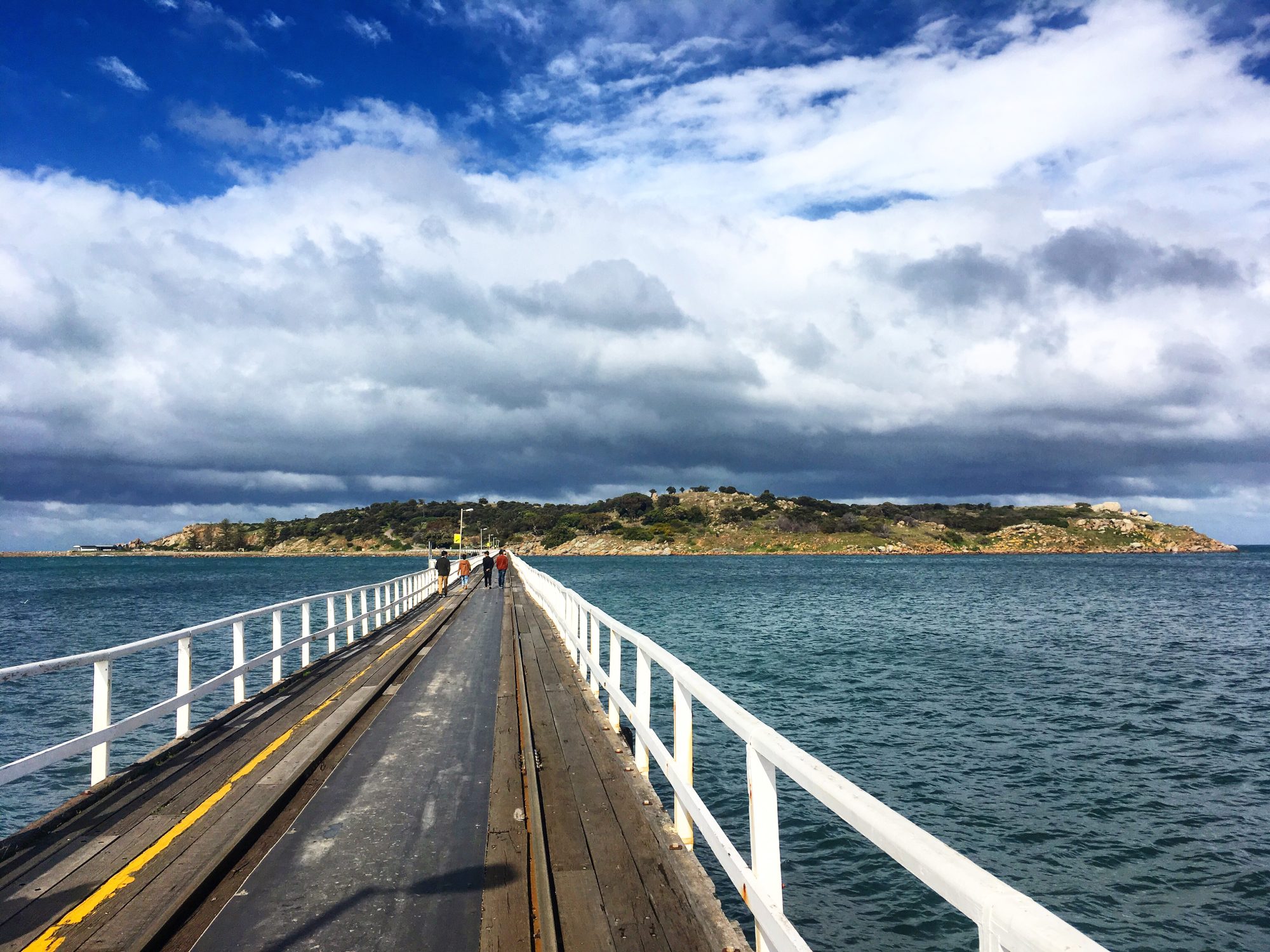
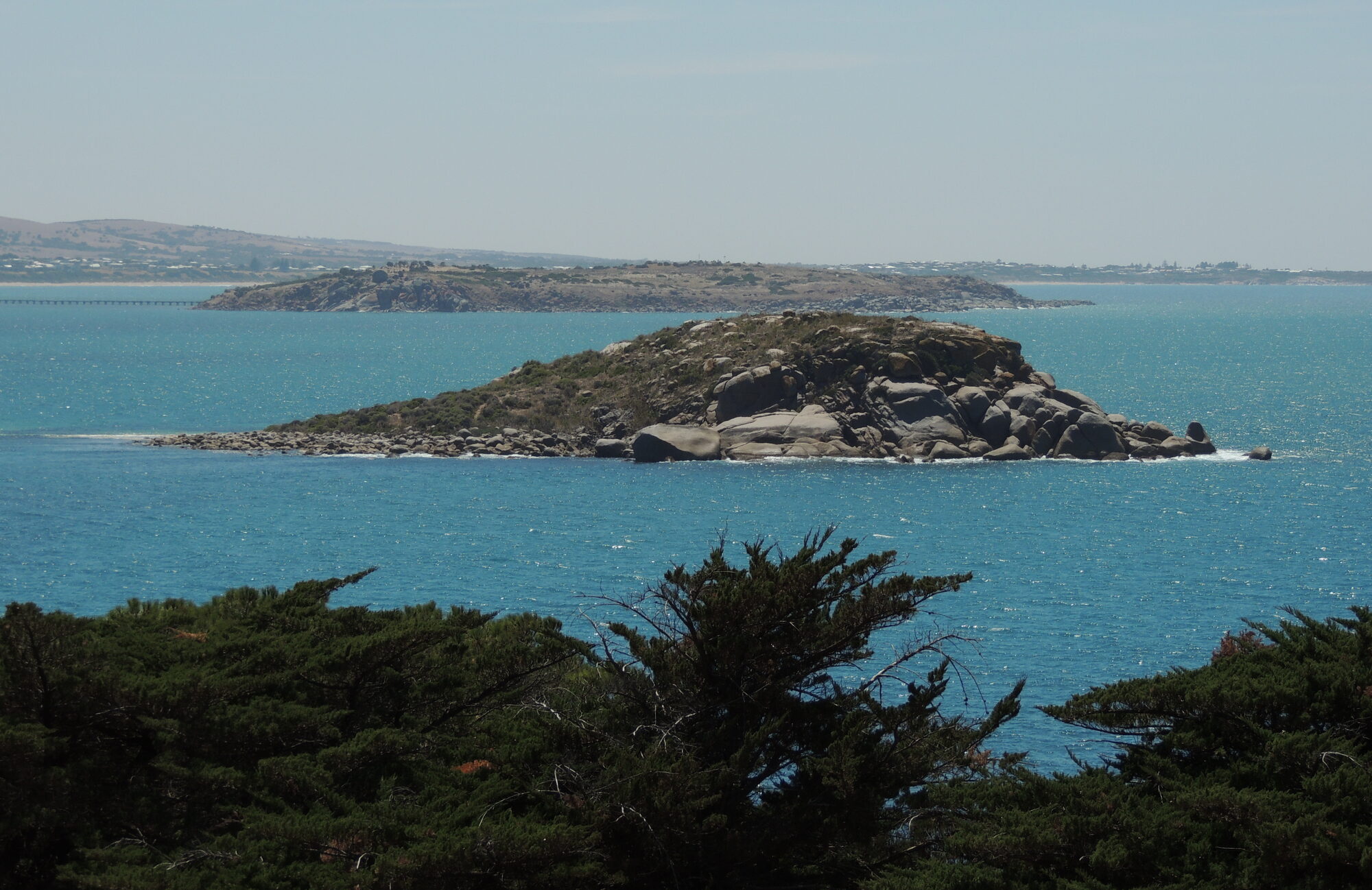
- Granite Island - sea-eagle and whale watching
- The sheltered cove of Rosetta Harbour below The Bluff is the actual site of the original whaling station