



· 5 min read
Willunga's almond-growing tradition stretches back to the 1850s. For most of the 20th century it was Australia's largest almond region. The famous Almond Blossom Festival has run since 1970.
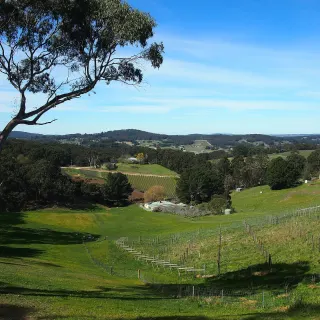
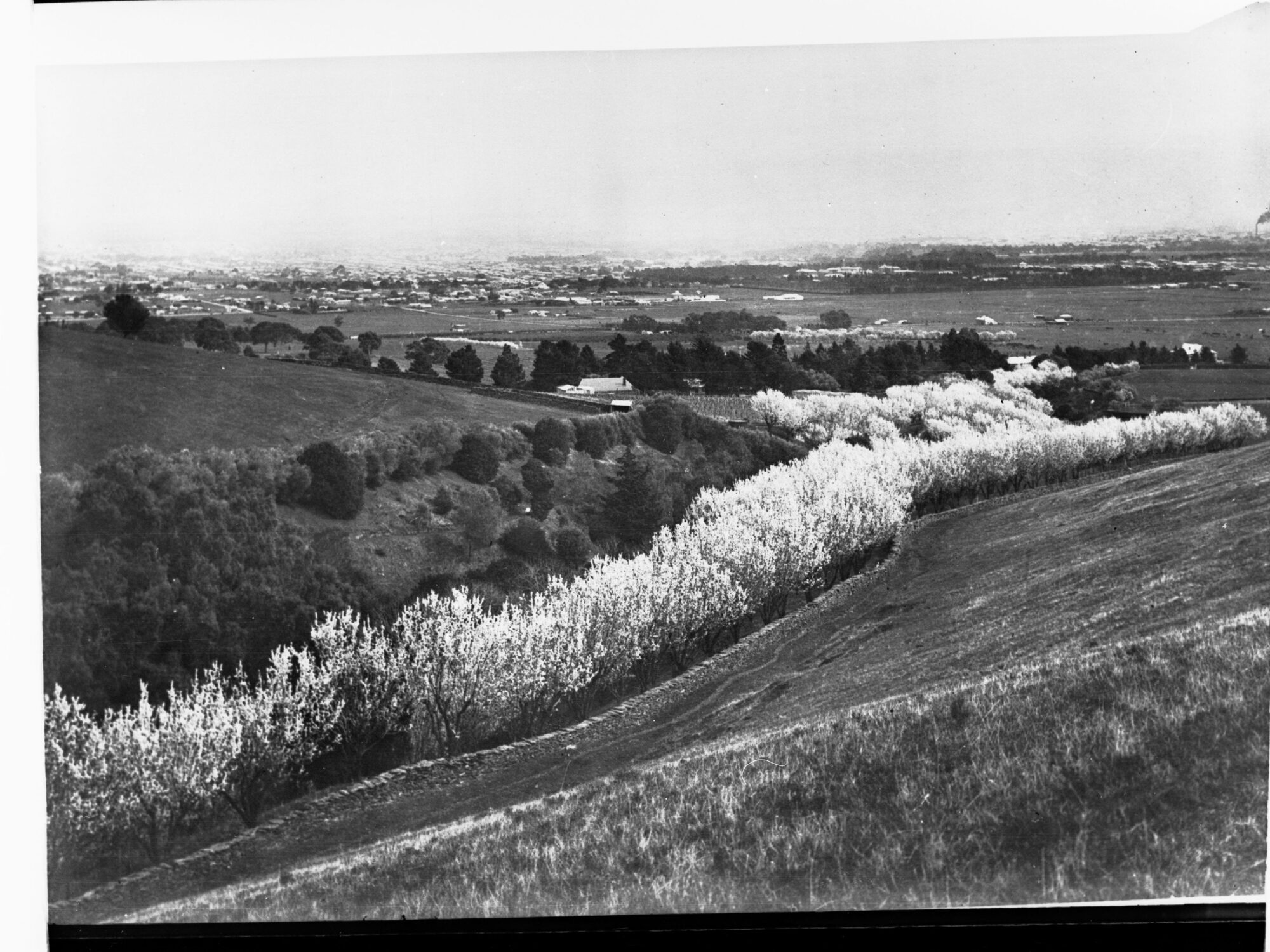
If you visit Willunga in late July or the first week of August, the country around the town will look like nowhere else on the Fleurieu. The hills are green from winter rain. The air is cold. And in among the green, in long parallel lines down every road that runs east from the township, the almond groves are in flower - a brief, dense flush of white and pale pink that lasts about ten days and then is gone.
The blossom is the surface of a much longer story. Willunga has been growing almonds for nearly 170 years.
The 1850s
Commercial almond growing was established at Willunga in the 1850s and 1860s. The conditions suit the tree perfectly: mild wet winters give the chilling hours that almond trees need to set fruit, the warm dry summers ripen the nut, and the low summer humidity keeps fungal disease away. By the late nineteenth century, Willunga was already recognised as the principal almond region of South Australia.
For much of the twentieth century it was Australia's largest almond district. The varieties grown were the classics - Chellaston, Johnston's Prolific, Nonpareil, Ne Plus Ultra, Mission - and the trees were picked by hand by local families. At its peak the industry was a defining feature of the town and the surrounding country.
The festival
In 1970, a group of locals decided to celebrate the blossom. The first Willunga Almond Blossom Festival was held that winter and has run every year since - making it one of the longest-running town festivals in South Australia. The format has changed over the decades but the core elements are constant: a parade through the township, an almond-themed food market, music, and grove walks where growers open their property to visitors.
In the early years there was an Almond Blossom Queen, a small parade of decorated floats, and a community fair on the town oval. The festival today is bigger and more formal - it draws thousands of visitors each year - but the heart of it is the same. People from all over Adelaide drive south on the festival weekend to walk among the trees while they are in flower.
The long decline
The Australian almond industry has changed dramatically since the 1990s. Most commercial production has moved north to the irrigated districts of the Riverland and Sunraysia, where larger plantings on flatter ground and reliable water make the economics work better. The Willunga district still has a handful of working almond growers but is no longer the centre of the industry it once was.
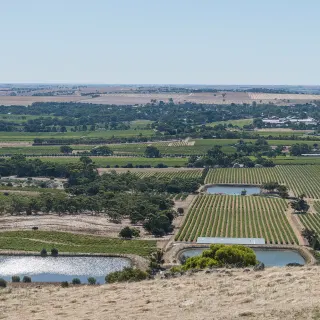
What has remained, almost preserved in amber, is the landscape. Old almond groves still line the roads east of Willunga. They are in the front paddocks of working farms, around the edges of vineyards, behind houses on the edge of town. Many were planted in the early twentieth century. Some are older.
The trees do not produce the way they used to. But every year, in late July, they still flower. And every year, Willunga celebrates them.
When to go
- The blossom is typically at its best in the last week of July and the first week of August
- The festival is held over a weekend in this window - check the official site for the current dates
- The blossom is weather-sensitive - a hot week will bring it forward, a cold one will hold it back
- For the best self-drive route, follow the back roads east of Willunga toward Kuitpo Forest, then loop back via Aldinga
Combine with the Willunga Farmers Market on the same Saturday morning for one of the best winter days the Fleurieu offers.